

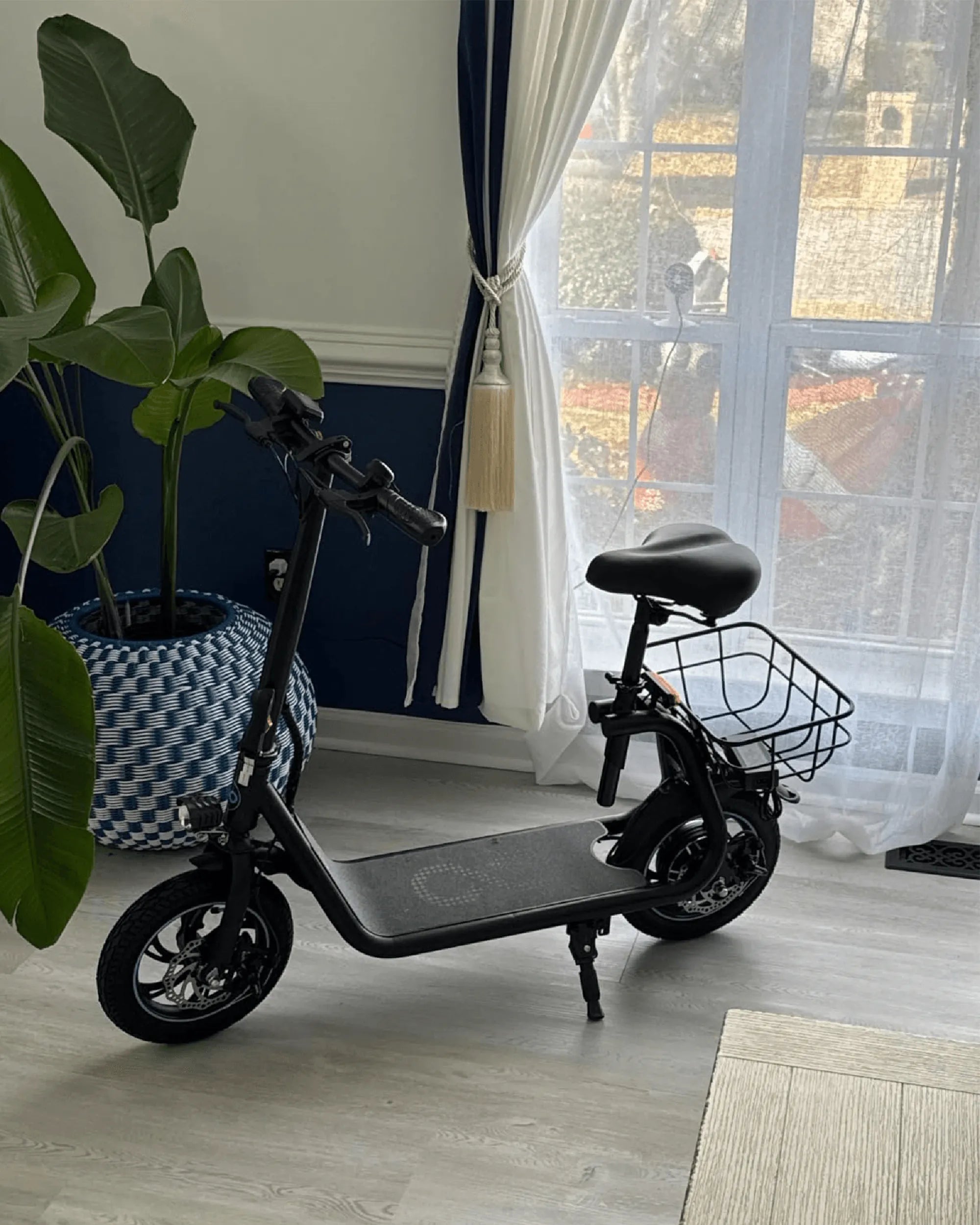
Ever wondered how electric scooters manage to carry so much weight despite their sleek and lightweight appearance? These modern marvels of engineering are built to handle heavy loads, but the science behind their strength is often overlooked. From reinforced frames to powerful motors, let’s dive into the secrets that make electric scooters capable of supporting substantial weight without breaking a sweat.
The Role of Frame Design and Materials
One of the key factors that allow electric scooters to carry heavy loads is their frame design. Manufacturers use high-strength materials such as aluminum alloys, carbon fiber, or reinforced steel to ensure durability. These materials strike a balance between lightweight construction and structural integrity, enabling the scooter to support riders of varying sizes.
Additionally, the frame geometry plays a crucial role. Many electric scooters feature a triangular or trapezoidal design, which distributes weight evenly across the structure. This prevents stress concentration in any single area, reducing the risk of cracks or breaks even under heavy loads.
Motor Power and Torque
The motor is the heart of an electric scooter, and its power directly impacts how much weight it can handle. High-wattage motors generate more torque, allowing the scooter to accelerate and maintain speed even with a heavier rider. Dual-motor setups further enhance this capability, providing extra power when needed.
Torque is particularly important because it determines how well the scooter can climb hills or carry additional cargo. A robust motor ensures that the scooter doesn’t strain under weight, maintaining smooth performance regardless of the load.
Battery Capacity and Efficiency
Battery technology is another critical component. Lithium-ion batteries, commonly used in electric scooters, offer high energy density and long lifespans. A larger battery capacity ensures that the scooter can sustain heavier loads without draining too quickly.
Efficient power management systems also play a role. These systems optimize energy usage, ensuring that the motor receives consistent power even when carrying maximum weight. This prevents overheating and extends the scooter’s overall lifespan.
Tire and Suspension Systems
Tires and suspension systems are often underestimated when it comes to weight capacity. Pneumatic (air-filled) tires provide better shock absorption, distributing weight more effectively and reducing strain on the frame. Solid tires, while maintenance-free, may not offer the same level of comfort or load distribution.
Suspension systems, whether spring-based or hydraulic, further enhance weight handling by absorbing bumps and vibrations. This not only improves ride comfort but also prevents structural damage caused by repeated impacts.
Weight Distribution and Rider Position
How the rider positions themselves on the scooter also affects its ability to carry weight. Standing centered over the deck ensures even distribution, while leaning too far forward or backward can strain the motor or frame. Some scooters are designed with wider decks or footrests to accommodate heavier riders more comfortably.
Safety Features and Load Limits
Manufacturers implement strict load limits to ensure safety. Exceeding these limits can compromise the scooter’s performance and longevity. Braking systems, for instance, are calibrated to handle specific weights, and overloading can reduce their effectiveness.
Understanding these limits is crucial for riders. Always check the manufacturer’s specifications to ensure you’re within the recommended weight range for optimal performance and safety.
Future Innovations in Weight Capacity
As technology advances, electric scooters are likely to become even more capable of handling heavy loads. Innovations in material science, such as graphene-reinforced frames, could further enhance strength without adding bulk. Similarly, advancements in motor and battery tech will continue to push the boundaries of what these compact vehicles can achieve.
Electric scooters are already impressive in their ability to carry significant weight, but the best is yet to come. Whether you’re a daily commuter or an occasional rider, understanding the engineering behind these machines can help you make the most of your ride. So next time you hop on your scooter, take a moment to appreciate the clever design and technology that makes it all possible.
Electric Bike 35 mph: The Future of Fast and Eco-Friendly Commuting
Electric Enduro Bike: The Future of Off-Road Adventure