

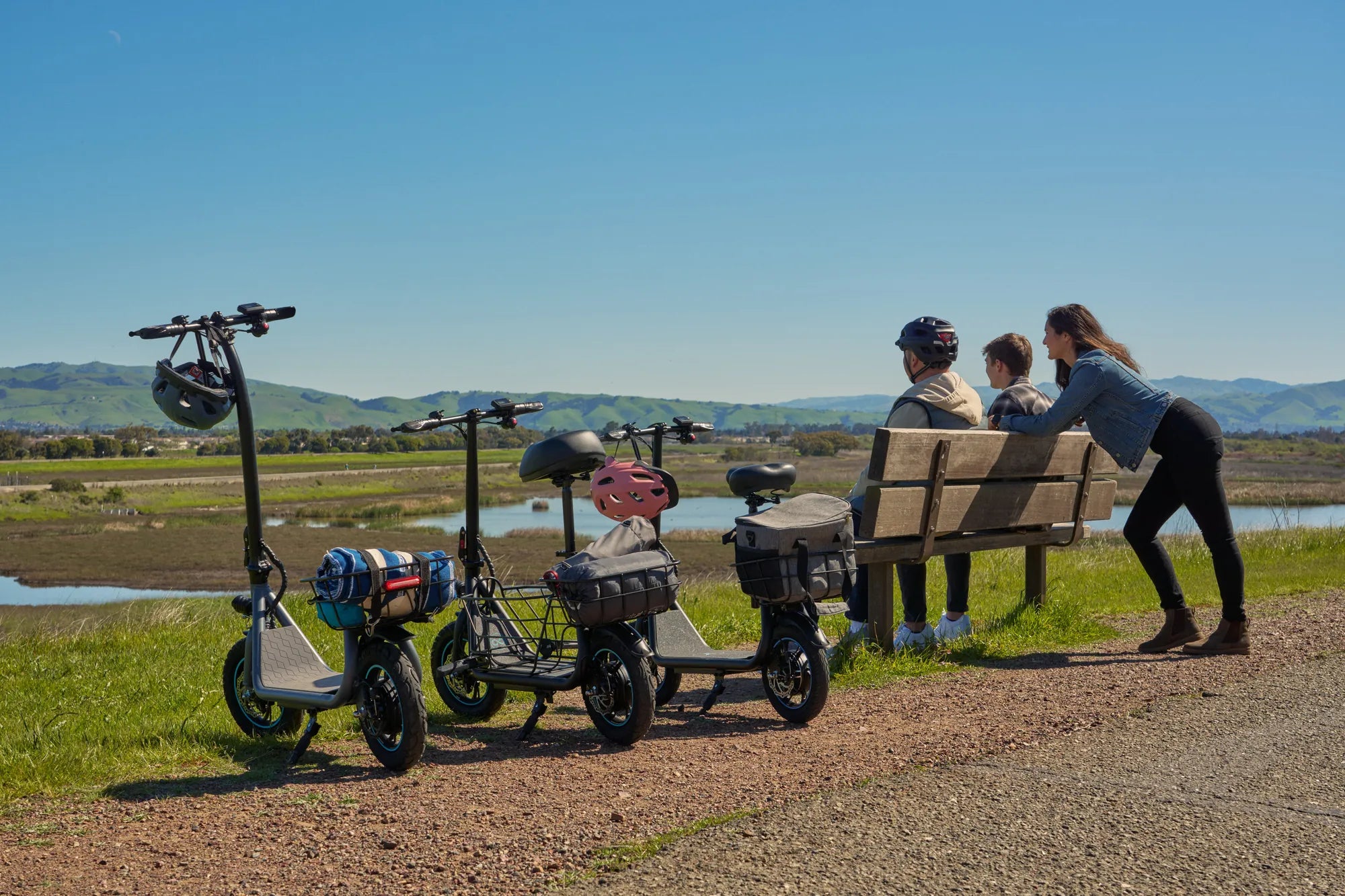
How Cold Is Too Cold for an E-Bike Battery: The Ultimate Guide
Winter riding can be exhilarating, but frigid temperatures pose a serious threat to your e-bike's most expensive component: the battery. Understanding the limits of your battery in cold weather isn't just about maintaining performance—it's about protecting your investment and ensuring safe operation. Let's explore the science behind lithium-ion batteries in cold conditions and reveal the exact temperature ranges where problems begin.
The Science Behind Cold Weather Battery Performance
Lithium-ion batteries power most modern e-bikes, and these sophisticated power sources have specific temperature tolerances. When temperatures drop, chemical reactions within the battery slow down significantly. This reduced activity manifests in several noticeable ways:
- Decreased power output as ions move more slowly through the electrolyte
- Reduced charging efficiency that can extend charging times by 50% or more
- Temporary capacity loss that may cut your range dramatically
- Increased internal resistance that strains battery components
These effects become noticeable around 50°F (10°C), but the real problems begin when temperatures approach freezing.
The Critical Temperature Thresholds
Not all cold is created equal when it comes to battery performance. There are three key temperature ranges every e-bike rider should know:
| Temperature Range | Effects on Battery | Recommended Action |
|---|---|---|
| 50°F to 32°F (10°C to 0°C) | 10-20% capacity loss, slower charging | Store indoors, pre-warm before use |
| 32°F to 14°F (0°C to -10°C) | 20-40% capacity loss, charging damage risk | Avoid charging in cold, minimize use |
| Below 14°F (-10°C) | Severe capacity loss, permanent damage likely | Do not charge or discharge |
The -10°C (14°F) mark represents the danger zone where permanent damage becomes likely. At these temperatures, lithium plating can occur during charging—a phenomenon where metallic lithium forms on the anode instead of properly intercalating. This process is irreversible and permanently reduces battery capacity while increasing fire risk.
Protecting Your Battery in Cold Weather
Smart riders use these proven strategies to maintain battery health during winter months:
- Always store batteries indoors at room temperature when not in use
- Use insulated battery covers during rides in cold weather
- Allow batteries to warm to room temperature before charging
- Charge to only 80% capacity in very cold conditions
- Plan shorter routes with charging stops in warm locations
For those who must ride in sub-freezing temperatures, consider keeping the battery in an insulated bag with a hand warmer during transport to the bike. Never attempt to charge a battery that feels cold to the touch—always allow it to warm gradually to room temperature first.
Long-Term Effects of Cold Exposure
Repeated exposure to extreme cold doesn't just cause temporary performance issues—it can permanently shorten your battery's lifespan. Each cycle of freezing and thawing:
- Accelerates electrolyte decomposition
- Increases internal resistance over time
- Promotes lithium plating that permanently reduces capacity
- May cause physical damage to battery casing and connections
Batteries subjected to regular cold weather abuse may lose 30-50% of their total lifespan compared to those kept in moderate temperatures. The financial impact of this premature aging often exceeds the cost of proper cold weather protection measures.
Emergency Situations and Recovery
If your battery has been exposed to extreme cold, follow these steps:
- Bring it indoors immediately but don't place near direct heat sources
- Allow 2-4 hours to reach room temperature naturally
- Inspect for condensation or physical damage before use
- Monitor performance carefully on first few charge cycles
Never attempt to rapidly warm a cold battery with heaters, hairdryers, or other artificial heat sources. The sudden temperature change can cause thermal shock and create dangerous conditions.
Winter doesn't have to mean parking your e-bike—with proper knowledge and precautions, you can ride year-round without sacrificing your battery's health. By understanding exactly how cold is too cold and implementing smart protection strategies, you'll enjoy reliable performance through every season while maximizing your battery's lifespan. The secret to cold weather e-biking success lies in respecting temperature limits and always putting battery health first.
12 Volt Battery for Quad Bike: The Ultimate Guide to Power and Performance
$49 Electric Bike: Is It Too Good to Be True?