


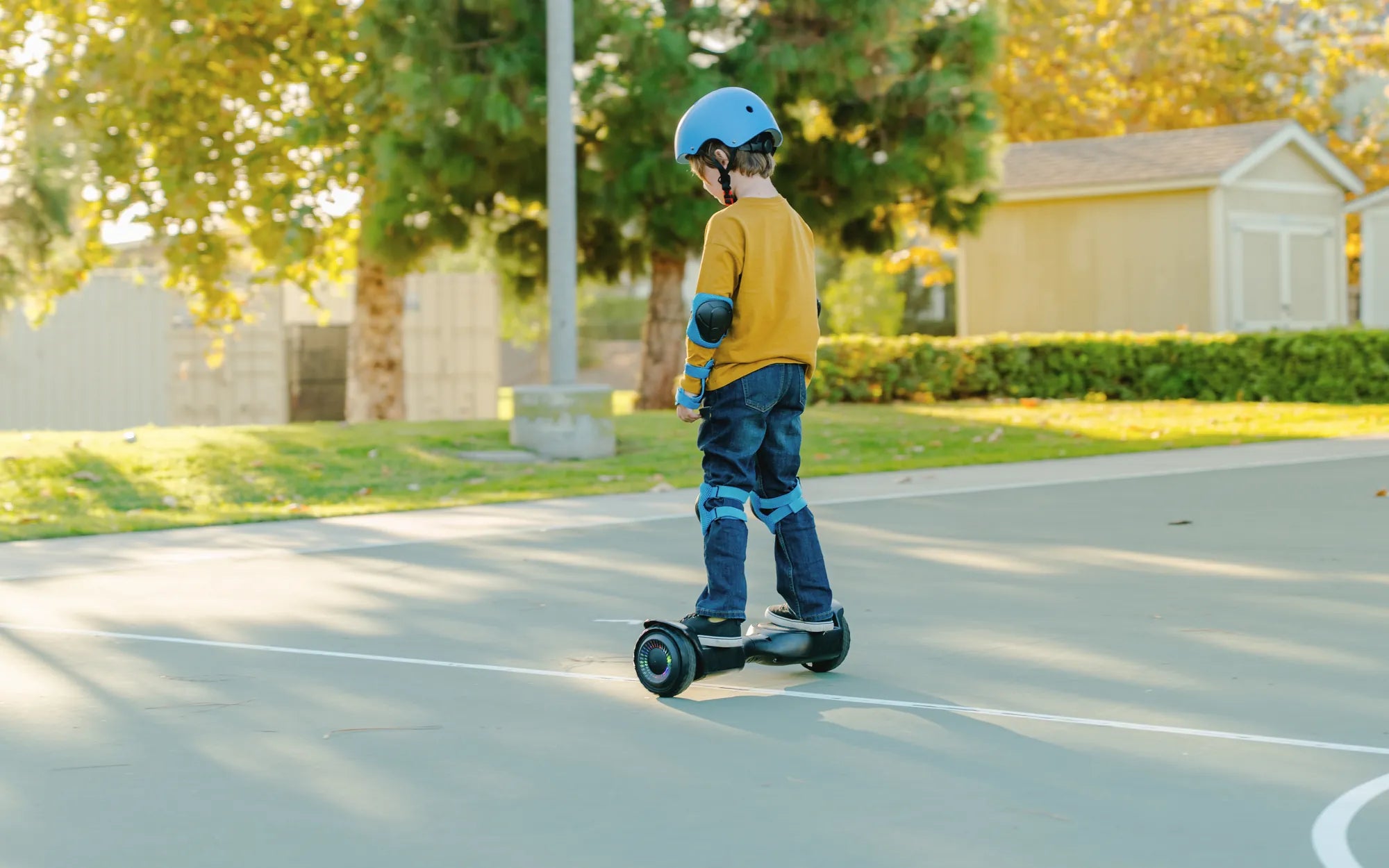
Hoverboards may look like futuristic fun, but beneath their sleek design lies a host of potential dangers. From explosive batteries to serious injuries, these self-balancing scooters have sparked safety concerns worldwide. If you or your child rides one, understanding the risks could be the difference between a thrilling ride and a trip to the emergency room.
The Hidden Dangers of Hoverboards
Hoverboards gained massive popularity as a trendy mode of transportation, but their safety issues quickly came to light. Reports of fires, falls, and even explosions have raised alarms among consumers and regulators alike. The most common hazards include:
- Battery Fires: Poorly manufactured lithium-ion batteries can overheat, catch fire, or even explode during use or charging.
- Falls and Collisions: The self-balancing mechanism can fail, especially at high speeds or on uneven terrain, leading to serious injuries.
- Lack of Regulation: Many cheaply made hoverboards bypass safety standards, increasing the risk of malfunctions.
Why Hoverboard Batteries Can Be Deadly
The lithium-ion batteries powering hoverboards are the same technology found in smartphones and laptops—but with higher risks due to larger sizes and poor quality control. When these batteries fail, they can release toxic fumes or ignite violently. In some cases, hoverboards have burst into flames while charging overnight, causing significant property damage.
To minimize fire risks, always:
- Purchase hoverboards with certified safety standards (look for UL2272 certification).
- Avoid leaving the device charging unattended or overnight.
- Store hoverboards in cool, dry places away from flammable materials.
Injury Risks: Broken Bones and Worse
Even without battery issues, hoverboards pose physical dangers. Riders frequently suffer from:
- Wrist and arm fractures from falls while attempting to balance.
- Head injuries due to lack of helmets or high-speed crashes.
- Collision-related injuries when losing control near traffic or obstacles.
Wearing protective gear—helmets, knee pads, and wrist guards—can drastically reduce injury severity. Additionally, beginners should practice in open, flat areas before attempting busy sidewalks or roads.
How to Stay Safe While Riding
Despite the risks, hoverboards can be enjoyed safely with proper precautions:
- Check for certifications before purchasing to ensure quality and compliance with safety standards.
- Supervise young riders and enforce speed limits to prevent reckless use.
- Inspect the hoverboard regularly for battery swelling, loose parts, or unusual noises.
By following these guidelines, riders can mitigate many of the dangers associated with hoverboards.
Hoverboards might seem like harmless gadgets, but their risks are real—fires, falls, and faulty designs can turn a fun ride into a disaster. Staying informed and cautious is the best way to enjoy the thrill without the danger. Before hopping on, ask yourself: is your hoverboard really as safe as you think?
How to See What Percent Your Hoverboard Is On: A Complete Guide
Hoverboard 1000 Euro: The Ultimate Guide to Premium Self-Balancing Scooters