



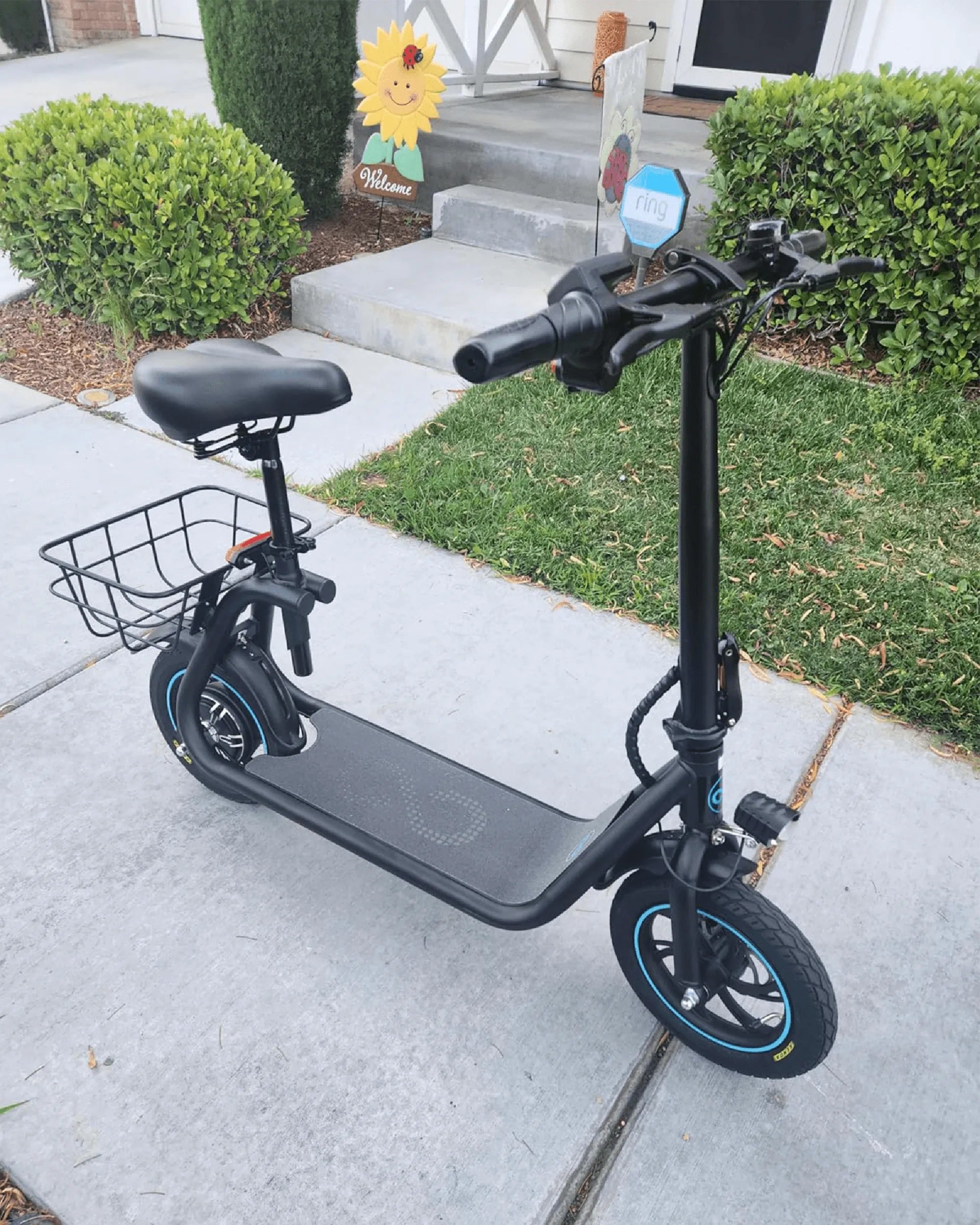
Electric mobility scooters have revolutionized personal transportation for those with mobility challenges. These compact, battery-powered vehicles offer freedom and flexibility, allowing users to navigate daily life with ease. But how exactly do these modern marvels function? Let’s dive into the inner workings of electric mobility scooters to understand their technology and benefits.
The Core Components of an Electric Mobility Scooter
Every electric mobility scooter consists of several key components that work together to provide smooth and reliable operation. Understanding these parts helps users maintain their scooters and troubleshoot issues effectively.
1. Battery System
The heart of any electric mobility scooter is its battery system. Most scooters use rechargeable lead-acid or lithium-ion batteries, which store electrical energy to power the motor. The battery capacity determines how far the scooter can travel on a single charge.
2. Electric Motor
The electric motor converts stored battery energy into mechanical motion. Typically located near the rear wheels, the motor provides torque to propel the scooter forward or backward. Motor power varies depending on the scooter’s intended use and terrain capabilities.
3. Control Mechanism
Operators control the scooter through a handlebar-mounted throttle or a tiller with finger controls. This interface sends signals to the motor controller, regulating speed and direction. Many models also include braking controls and speed adjustment settings.
4. Chassis and Frame
The sturdy frame supports the rider’s weight and houses all components. Modern scooters use lightweight yet durable materials like aluminum or steel alloys to balance strength and portability.
How Power Flows Through the System
When a rider engages the throttle, a series of electrical processes begin:
- The battery releases DC (direct current) electricity
- Current flows to the motor controller
- The controller regulates power based on throttle input
- Electricity reaches the motor, creating rotational force
- This rotation transfers to the wheels through a transmission system
Steering and Maneuverability Features
Electric mobility scooters offer different steering systems depending on their design:
- Tiller Steering: Common in three-wheel models, this system uses handlebars connected directly to the front wheel
- Differential Steering: Four-wheel models often use separate motors for each rear wheel, allowing tighter turns
- Electronic Steering Assist: Some advanced models include power-assisted steering for easier handling
Safety Systems and Additional Features
Modern electric mobility scooters incorporate multiple safety mechanisms:
- Automatic braking systems that engage when releasing the throttle
- Anti-tip wheels or stabilizers for added balance
- LED lighting for visibility in low-light conditions
- Speed governors to prevent excessive acceleration
- Battery level indicators and low-power warnings
Maintenance and Care Considerations
Proper maintenance ensures longevity and reliable performance:
- Regular battery charging (even during storage)
- Tire pressure checks and tread inspections
- Periodic cleaning of electrical contacts
- Motor and bearing lubrication as recommended
- Professional servicing for complex electrical components
Electric mobility scooters combine simple principles with sophisticated engineering to create reliable transportation solutions. By understanding how these devices work, users can make informed decisions about operation, maintenance, and upgrades. Whether navigating city streets or indoor spaces, these remarkable machines continue to enhance mobility and independence for countless individuals worldwide.
E Scooter Charger Singapore: The Ultimate Guide to Safe and Efficient Charging
Rear Basket for Electric Bike: The Ultimate Guide to Convenient Cargo Transport