



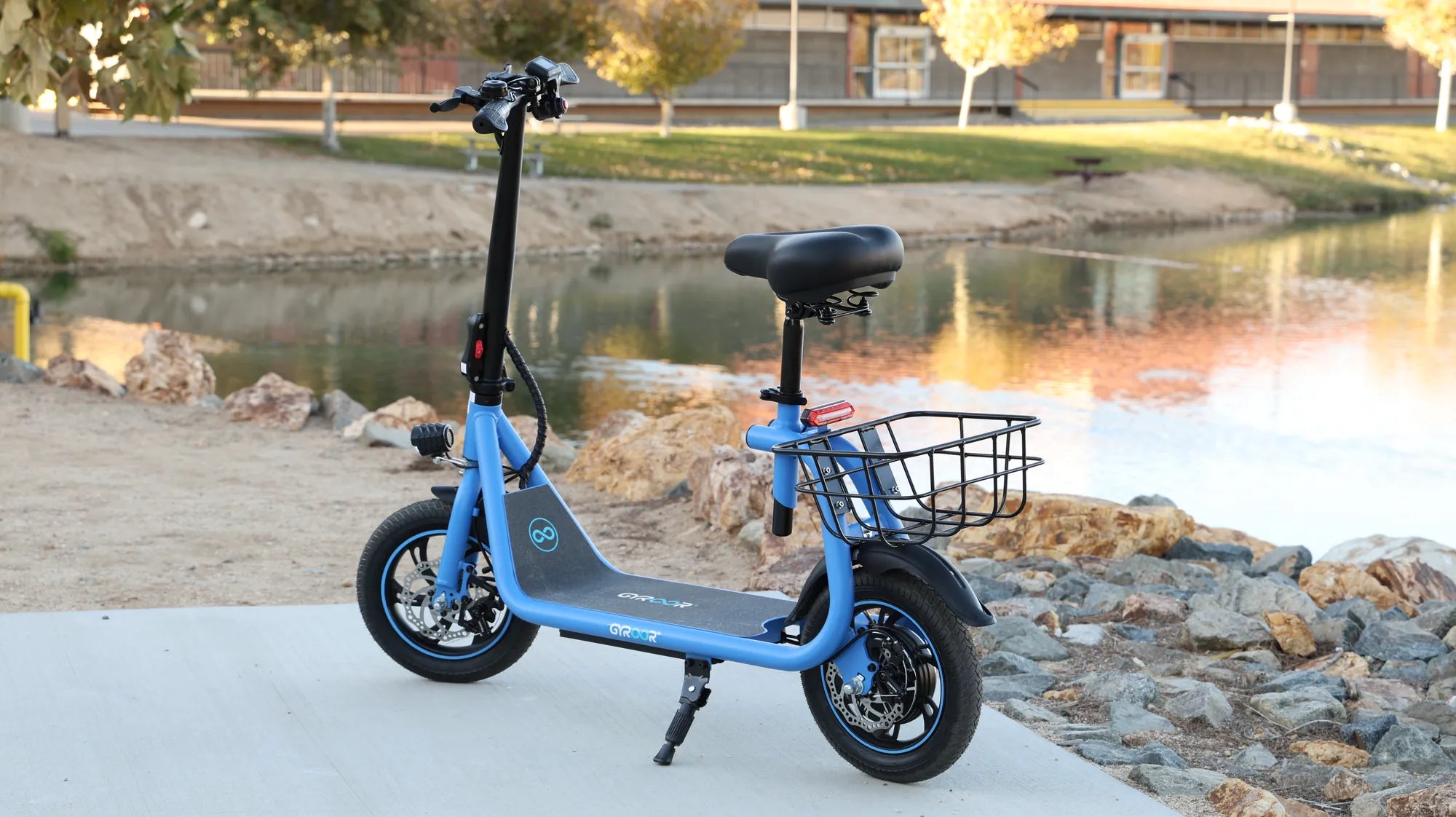
Electric scooters have revolutionized urban mobility, offering a convenient and eco-friendly way to navigate busy streets. But how do these sleek machines stay powered up? Understanding how electric scooters get charged is essential for maximizing their performance and longevity. Whether you're a daily commuter or a weekend rider, knowing the ins and outs of charging can save you time, money, and frustration.
Types of Batteries Used in Electric Scooters
Most electric scooters rely on one of two types of batteries: lithium-ion (Li-ion) or lead-acid. Lithium-ion batteries are the most common due to their lightweight design, high energy density, and longer lifespan. They also charge faster and hold their charge better over time. Lead-acid batteries, on the other hand, are heavier and less efficient but are often cheaper, making them a budget-friendly option for some models.
How Charging Works
Charging an electric scooter is a straightforward process. The scooter is plugged into a standard electrical outlet using a charger provided by the manufacturer. The charger converts AC (alternating current) from the wall outlet into DC (direct current), which the battery can store. Most scooters have a charging port located near the deck or under the handlebars for easy access.
Step-by-Step Charging Process
- Locate the charging port on your scooter.
- Connect the charger to the port.
- Plug the charger into a wall outlet.
- Wait for the battery to reach full charge (indicated by a light on the charger or scooter display).
- Unplug the charger once charging is complete.
Charging Time and Battery Life
The time it takes to charge an electric scooter depends on the battery capacity and the charger's output. On average, a full charge takes between 4 to 8 hours. Some high-performance models with fast-charging capabilities can reach 80% capacity in just 1-2 hours. To extend battery life, avoid overcharging and try to keep the battery level between 20% and 80% for daily use.
Portable Charging Solutions
For riders on the go, portable charging solutions like power banks or swappable batteries can be a game-changer. These options allow you to charge your scooter without access to a wall outlet, making them ideal for long trips or areas with limited charging infrastructure. However, portable chargers often provide slower charging speeds compared to traditional wall chargers.
Tips for Efficient Charging
- Always use the charger provided by the manufacturer to avoid compatibility issues.
- Charge your scooter in a cool, dry place to prevent overheating.
- Avoid draining the battery completely before recharging.
- Unplug the charger once the battery is full to prevent overcharging.
- Store your scooter with a partially charged battery if not in use for extended periods.
Common Charging Mistakes to Avoid
Many riders unknowingly shorten their scooter's battery life by making simple mistakes. Charging the scooter immediately after a long ride, for example, can stress the battery due to residual heat. Similarly, using a damaged charger or exposing the charging port to moisture can lead to safety hazards. Always inspect your charger and cables for wear and tear before use.
The Future of Electric Scooter Charging
As technology advances, new charging methods are emerging. Wireless charging pads, solar-powered stations, and even regenerative braking systems that recharge the battery while riding are becoming more common. These innovations promise to make charging faster, more convenient, and more sustainable in the years to come.
Ready to keep your electric scooter running smoothly? By understanding how charging works and following best practices, you can enjoy a seamless ride every time. Whether you're zipping through city streets or cruising along scenic paths, a well-charged scooter ensures you never miss a beat.
Besten E Scooter: The Ultimate Guide to Choosing the Perfect Ride
E Scooter With Chair: The Ultimate Guide to Comfortable and Efficient Commuting