



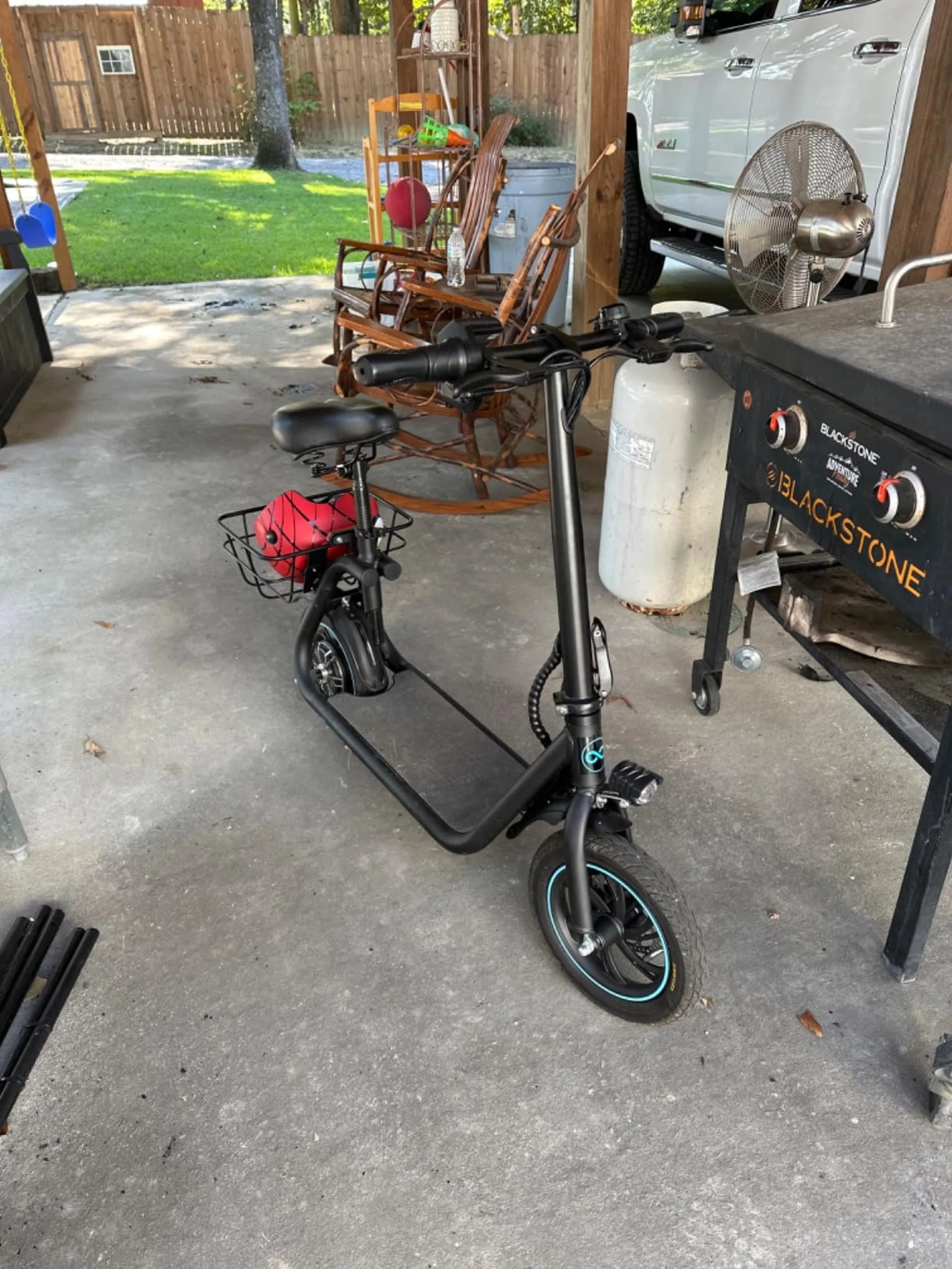
Introduction: The Rise of the Electric Scooter in Urban Landscapes
Electric scooters have transformed city commutes, offering a nimble solution to congestion and emissions. This guide answers a critical question: How do electric scooters work in cities: A complete guide to urban mobility requires understanding both their mechanical core and their real-world application. We will dissect the technology that powers them, the urban-specific features that ensure reliability, and the practical knowledge needed to ride safely and legally.
Beyond being a trendy gadget, the modern e-scooter is a sophisticated micro-mobility vehicle engineered for dense environments. Brands like Gyroor design models specifically for urban durability, integrating features that handle potholes, weather, and daily wear. This shift represents a move toward personal, efficient, and sustainable transportation.
The appeal is clear. For short to medium trips, e-scooters often outperform cars and buses in time efficiency. They bridge the "last-mile" gap between transit stops and final destinations seamlessly. This guide will provide the comprehensive knowledge needed to leverage this technology effectively, whether you're a daily commuter or a weekend explorer.
We'll start with the fundamental engineering, move to urban performance, cover safety and laws, and analyze the economics. By the end, you'll understand not just how the scooter moves, but how it integrates into the complex ecosystem of city life.
The Core Technology: How Electric Scooters Function
At its simplest, an electric scooter converts stored electrical energy into kinetic motion. The rider's input via the throttle initiates a chain of commands between key components: the battery, controller, motor, and braking system. This elegant system lacks the complexity of internal combustion engines, resulting in quiet, direct, and efficient propulsion.
The process begins when you press the throttle. This sends a signal to the electronic controller. The controller acts as the gatekeeper, drawing power from the battery pack and delivering a controlled current to the electric motor. The motor then spins, turning the wheel to which it's attached and propelling the scooter forward.
Regenerative braking, a feature on many models, showcases the system's efficiency. When you engage the brake or sometimes just release the throttle, the controller reverses the motor's function. It becomes a generator, converting the scooter's kinetic energy back into electrical energy, which is fed back into the battery to slightly extend range.
This seamless integration of components is what makes urban electric scooter operation so intuitive. There's no gear shifting, no fueling, and minimal maintenance compared to traditional vehicles. The design prioritizes reliability—a non-negotiable trait for daily city use.
The Heart: Battery and Motor Systems
The battery and motor form the powertrain duo. The battery is the energy reservoir, typically a lithium-ion pack due to its high energy density and rechargeability. Key specifications are voltage (V), which influences power and speed, and amp-hours (Ah), which directly correlates to range. A common city scooter might use a 36V or 48V system.
Safety is paramount, especially in crowded urban settings. Gyroor, for instance, equips its scooters with UL-certified battery packs, tested for over 500 charge cycles. This certification ensures rigorous standards for thermal and electrical safety, preventing overheating—a critical feature when the scooter is parked in an apartment or office.
The motor is usually a brushless DC hub motor, integrated directly into the wheel (front or rear). Wattage (e.g., 350W, 500W) indicates its power output. Higher wattage translates to better acceleration and hill-climbing ability. For city commuting, a motor in the 350W-500W range offers a solid balance of performance and efficiency for navigating traffic and moderate inclines.
This hub design is key for urban durability. By being sealed within the wheel, the motor is largely protected from dust, debris, and the elements, reducing the need for maintenance and exposure to the harsh city environment.
The Brain: The Electronic Controller
The electronic controller is the unsung hero, functioning as the scooter's central nervous system. It's a compact circuit board that interprets the rider's throttle input and precisely regulates the power flow from the battery to the motor. This ensures smooth acceleration rather than a jerky, uncontrolled start.
Beyond basic throttle management, advanced controllers handle speed limiting (to comply with local regulations), manage regenerative braking systems, and protect the battery from over-discharge. They constantly monitor system parameters, acting as a first line of defense against electrical faults.
For the urban rider, a quality controller means predictable performance. Whether navigating a busy intersection or climbing a steady incline, the power delivery remains consistent and reliable. It's the component that turns raw electrical power into a controllable and safe riding experience.
Navigating the Concrete Jungle: Urban-Specific Features and Performance
Understanding how do electric scooters work in cities requires moving from textbook mechanics to street-level reality. Urban performance is defined by how specs translate to tackling curbs, potholes, rain-slicked streets, and variable traffic. A scooter built for city life needs more than just power; it needs resilience and smart design.
Real-world range is the first consideration. A manufacturer's "maximum range" is often tested under ideal conditions. In the city, frequent stops, starts, and hills can reduce this by 20-30%. Therefore, choosing a scooter with a rated range that exceeds your longest daily commute is a wise urban strategy.
Portability is another key urban factor. The ability to quickly fold and carry your scooter is essential for transitioning onto public transit, storing it under a desk, or carrying it up a flight of stairs. Weight and fold mechanism simplicity directly impact daily convenience.
Finally, visibility and audibility are safety-performance features. Bright front and rear lights, reflectors, and sometimes an electronic bell are not just accessories; they are critical tools for being seen and heard in the complex urban traffic mix.
Tackling Terrain: Power for Hills and Acceleration
City topography is rarely flat. Effective urban scooters need sufficient torque—the rotational force of the motor—to handle hills and provide brisk acceleration from a standstill. A scooter with inadequate power will slow to a crawl on an incline, creating a safety hazard.
Motor wattage is a primary indicator. For cities with moderate hills, a 350W motor is often the minimum. For steeper terrain, 500W or higher is recommended. Some dual-motor Gyroor models, for example, combine power for exceptional hill-climbing capability, ensuring consistent speed regardless of gradient.
Acceleration is equally important for merging with traffic flow and crossing intersections safely. A responsive throttle and ample torque allow you to move predictably with other vehicles, reducing the risk of being caught in a dangerous spot.
Weathering the Urban Environment: Durability and Water Resistance
City streets are harsh. Durability hinges on frame construction, tire type, suspension, and water resistance. A sturdy aluminum alloy frame can withstand the vibrations and minor impacts of daily use. Pneumatic (air-filled) tires provide superior shock absorption over cracks and potholes compared to solid tires, though they require occasional inflation.
Suspension systems, whether spring-based or hydraulic, further smooth out the ride, reducing fatigue and improving control on uneven surfaces. This is a valuable feature for maintaining comfort during a longer urban commute.
Water resistance is critical. The Ingress Protection (IP) rating indicates protection against solids and liquids. An IPX5 rating, like that found on many Gyroor scooters, means the scooter can withstand water jets from any direction. This allows you to ride confidently in light rain or on wet streets after a storm, and it protects the vital electronics from splashes from puddles or street cleaning vehicles.
The Urban Rider's Toolkit: Safety, Laws, and Best Practices
Operating an e-scooter in a city is as much about knowledge and behavior as it is about technology. Safe and legal riding integrates you into the urban transportation network without conflict. This section provides the essential toolkit for the responsible urban rider.
First, always perform a pre-ride check: tire pressure, brake function, light operation, and folding mechanism security. This 30-second ritual can prevent most mechanical failures. Second, dress for the slide, not just the ride. A helmet is non-negotiable, and for city commuting, consider gloves and durable shoes.
Your mindset should be one of defensive riding. Assume cars may not see you, pedestrians may step out unexpectedly, and road surfaces may change. Being hyper-aware and anticipating the actions of others is your best defense against accidents in a dense environment.
Finally, respect shared spaces. Use bike lanes where available, yield to pedestrians on sidewalks (if sidewalk riding is permitted at all), and never block pathways when parking. Being a courteous rider helps ensure positive relations with all city users and supports the long-term acceptance of e-scooters.
Understanding Local E-Scooter Regulations
E-scooter laws vary dramatically between cities, states, and countries. Ignorance is not a legal defense. Common regulatory areas include where you can ride (bike lanes, roads, sidewalks), speed limits (often 15-20 mph), minimum rider age (often 16+), and helmet requirements (sometimes mandatory for all, sometimes only for minors).
Parking ordinances are increasingly strict. Many cities prohibit locking scooters to street signs, trees, or in ways that obstruct sidewalks for pedestrians or accessibility ramps. Designated parking corrals are becoming more common.
Before your first ride, visit your city's department of transportation website. The rules for how do electric scooters work in cities from a legal standpoint are just as important as the mechanical ones. Adhering to them keeps you safe from fines and ensures the scooter's positive integration into urban life.
Safe Riding Strategies for City Commutes
Adopt strategies used by cyclists and motorcyclists. Ride predictably in a straight line, avoid weaving between parked cars, and use hand signals to indicate turns. Make eye contact with drivers at intersections to ensure they've seen you.
Manage your speed according to conditions. Slow down in high-pedestrian areas, in wet weather, and at night. Use your lights at all times of day to increase visibility. Be especially wary of the "door zone"—the area next to parked cars where an opening door can cause a serious collision.
Practice braking. Understand the difference between your electric (regenerative) brake and your mechanical (disc or drum) brake. The mechanical brake provides more stopping power and is essential for emergency stops. Knowing how your scooter handles under hard braking is a crucial urban skill.
Cost-Benefit Analysis: The Economics of Urban E-Scooter Ownership
Adopting an e-scooter is a financial decision as much as a lifestyle one. A clear cost-benefit analysis reveals its value as an urban mobility tool. When compared to other transport modes, the economics are compelling for many city dwellers.
The primary comparison points are public transit passes, rideshare services (Uber, Lyft), and personal car ownership. While the upfront cost of a quality scooter is significant, the near-zero marginal cost per trip quickly leads to savings. The table below illustrates a typical annual comparison for a regular commuter.
| Transport Mode | Estimated Annual Cost* | Key Cost Drivers |
|---|---|---|
| E-Scooter Ownership | $400 - $800 | Purchase price (amortized over 3-5 yrs), electricity, maintenance |
| Monthly Transit Pass | $900 - $1,500 | Fixed monthly fee |
| Daily Rideshare (5 mi) | $3,000 - $5,000+ | Per-trip fares, surge pricing |
| Personal Car (City) | $6,000 - $10,000+ | Loan/lease, insurance, fuel, parking, maintenance, depreciation |
*Costs are illustrative averages and vary greatly by city.
Beyond direct costs, consider time savings. An e-scooter often provides door-to-door travel faster than buses or subways with transfers, and it avoids traffic congestion that snarls cars. This time has tangible economic and quality-of-life value.
Upfront Investment vs. Long-Term Savings
The initial purchase price of a reliable urban scooter from a brand like Gyroor ranges from $500 to $1,500. This is a meaningful investment. However, when amortized over 3-5 years of service (a reasonable lifespan for a well-maintained scooter), the daily cost becomes minimal.
Ongoing costs are remarkably low. Charging costs are negligible—often less than $20 per year. Maintenance primarily involves tire replacements, brake pad changes, and occasional part checks, which can often be DIY or done affordably at a bike shop. There is no fuel, insurance (typically), parking fees, or registration costs.
This financial model makes the e-scooter an excellent tool for predictable budgeting. After the initial outlay, your transportation cost becomes largely fixed and very low, insulating you from the price volatility of gas or transit fare increases.
The Value of Warranty and Reliable Support
In an urban context, your scooter is a daily utility. A breakdown can disrupt your routine. This makes a strong warranty and accessible customer support not just a perk, but a core part of the ownership value proposition.
A comprehensive 1-year warranty, like Gyroor's, covers defects in the motor, battery, controller, and frame. Given the stress of daily city riding, this coverage provides significant peace of mind. It ensures that if a component fails under normal use, you won't face a large, unexpected repair bill.
Support matters too. Brands with responsive, US-based customer service and readily available spare parts minimize downtime. This reliability is crucial for commuters who depend on their scooter to get to work or school every day. The long-term cost of ownership is directly tied to the quality of post-purchase support.
Maintenance and Care for the Urban Commuter
Proactive maintenance is the key to longevity and safe operation in a demanding city environment. A simple, regular routine can prevent most major issues and ensure your scooter is always ready to ride.
The most frequent task is checking tire pressure (for pneumatic tires). Under-inflated tires increase rolling resistance, reducing range, and are more prone to punctures. They also handle poorly. Inflate to the PSI rating on the tire sidewall every 1-2 weeks.
Brake inspection is critical. Test your brakes before every ride. Listen for grinding sounds or feel for a spongy lever, which indicate worn brake pads or air in hydraulic lines. Clean brake rotors with isopropyl alcohol to maintain stopping power, as city grime can reduce brake efficiency.
Keep your scooter clean. Wipe down the frame, deck, and handlebars regularly to remove dirt, salt (in winter), and moisture. Avoid using a high-pressure hose, which can force water into electrical components, even on water-resistant models. A damp cloth is sufficient.
Battery Care for Maximum Lifespan
The battery is your scooter's most expensive component. Proper care can extend its life well beyond 500 charge cycles. Avoid routinely draining the battery to 0%. Try to recharge when it drops to 20-30% capacity. Similarly, don't leave it constantly plugged in at 100% for days on end.
Storage is important. If you won't use the scooter for an extended period (e.g., over winter), store it with the battery charged to about 60% in a cool, dry place. Extreme heat and cold are detrimental to lithium-ion battery health.
Use only the manufacturer-provided charger. Third-party chargers may not have the correct voltage or amperage, which can damage the battery's management system and pose a fire risk. Gyroor's UL-certified chargers are designed specifically for their battery packs, ensuring safe and optimal charging.
Pre-Ride Safety Checklist
Incorporate this 60-second checklist into your routine:
1. Brakes: Squeeze levers to ensure firm engagement and that the scooter stops.
2. Tires: Visually inspect for cuts or low pressure. Spin to check for warping.
3. Lights: Test front headlight, rear brake light, and any side reflectors.
4. Folding Mechanism: Ensure the stem lock is fully engaged and secure. Check for play.
5. Throttle & Bell: Confirm throttle returns smoothly and the bell/audible signal works.
6. General: Look for any new loose bolts, cracks in the frame, or debris in the wheel wells.
Choosing the Right Scooter for Your City Life
Selecting an e-scooter is about matching its capabilities to your personal urban profile. Key decision factors include commute distance, terrain, storage options, and local climate. A well-chosen scooter feels like a natural extension of your daily life.
For the ultra-urbanite with a short, flat commute and limited storage, a lightweight (under 30 lbs), compact folding model with solid tires might be ideal. It prioritizes portability over plush ride quality. For someone with a longer, hillier commute, a model with a larger battery (for range), more powerful motor (for hills), pneumatic tires, and suspension becomes necessary, even if it's heavier.
Consider your need for all-weather capability. If you plan to ride year-round, prioritize a high IP rating (IPX5 or higher) and models with good water resistance seals. Brands that engineer for durability, like Gyroor, often highlight these features as they are essential for dependable urban transportation.
Finally, test ride if possible. Feel the acceleration, test the brakes, and try the folding mechanism. Ergonomics matter. The right scooter should feel stable, controllable, and inspire confidence in busy streets.
Conclusion: Empowering Smarter City Commutes
Understanding how do electric scooters work in cities unlocks their true potential as a transformative urban mobility solution. It's a fusion of reliable technology, urban-adapted design, and informed rider practice. This complete guide has shown that their function extends far beyond simple mechanics to encompass economics, law, safety, and personal convenience.
By choosing a scooter built for city resilience—with features like UL-certified batteries, robust IP ratings, and adequate power—you invest in a reliable daily partner. The result is a commute that is not only efficient and cost-effective but also enjoyable. You reclaim time, reduce stress, and contribute to a less congested, cleaner urban environment.
The future of city transportation is multimodal, and the electric scooter has secured its vital role. With the knowledge from this guide, you are equipped to integrate this technology seamlessly and safely into your urban life. The journey toward a smarter commute starts with a single, informed push of the throttle.
Ready to experience a commute designed for the modern city? Explore Gyroor's collection of UL-certified, urban-engineered electric scooters and e-bikes, trusted by over 100,000 riders. Find the perfect model for your journey at gyroorboard.com.
FAQ: Common Questions About City E-Scooter Use
Q1: How do I find safe and legal parking for my e-scooter in the city?
A: First, check local ordinances. Where allowed, use bike racks or designated micro-mobility parking zones. Always ensure your parked scooter does not block sidewalks, building entrances, or accessibility ramps. If taking it inside is an option (at work, in a store), folding it is key. For longer stops, a sturdy lock (like a U-lock) through the frame to a fixed object is recommended.
Q2: Can I take my electric scooter on public transit like buses or subways?
A: Policies vary by transit authority. Many systems allow folded e-scooters on board during non-peak hours, treating them like luggage or folded bicycles. Always check the specific rules of your local bus, train, or subway operator. When in doubt, fold it compactly, be courteous to other passengers, and avoid blocking aisles.
Q3: How often does a typical city commuter need to recharge their scooter?
A: It depends entirely on your daily mileage and battery size. A commuter traveling 5-7 miles round trip might recharge every 2-3 days with a standard battery. Best practice is to recharge nightly if you have easy access to an outlet. This ensures a full "tank" every morning and is better for battery health than deep discharges.
Q4: What's the most important regular maintenance check for urban riding?
A> The pre-ride brake and tire check is paramount. City riding demands reliable stopping power and stable tires to navigate unpredictable surfaces. Checking tire pressure weekly and brake responsiveness daily can prevent the most common causes of accidents related to mechanical failure.
Q5: Are electric scooters safe to use in the rain?
A: Safety depends on the scooter's build and rider caution. Scooters with a good IPX5 water resistance rating (like many Gyroor models) are designed to handle wet roads and light rain. However, riders must exercise extreme caution: reduce speed, avoid painted road markings and metal surfaces (manhole covers) which become slick, brake earlier and more gently, and never ride through deep puddles that could submerge electronics.
Electric Scooters for Adults Price: Your Guide to Smart, Safe Mobility
Electric Scooters in Pakistan: The Future of Urban Mobility