


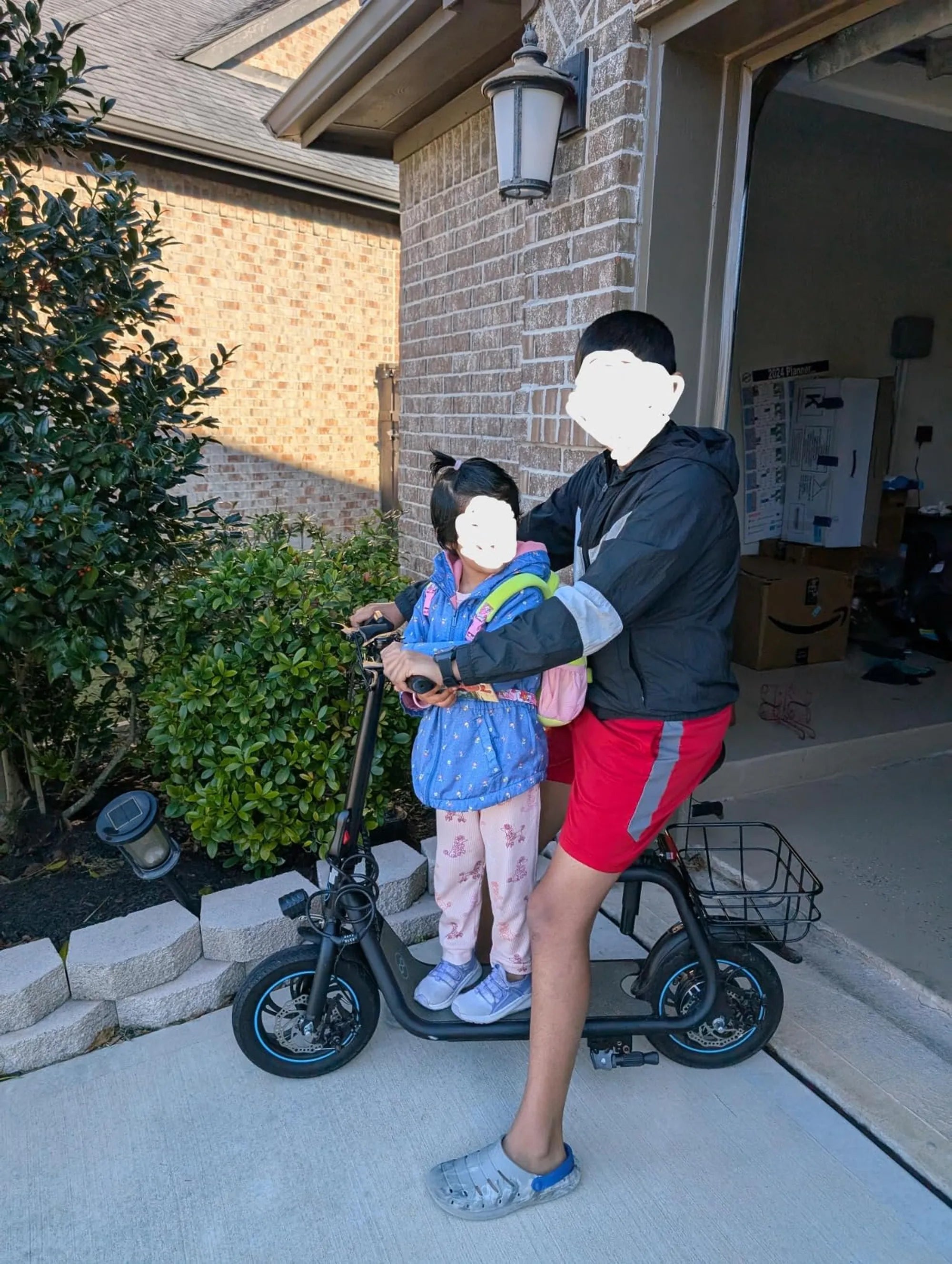
Electric bikes (e-bikes) have revolutionized urban commuting and recreational cycling, offering an eco-friendly and efficient way to get around. But one question lingers for new and experienced riders alike: how do you charge an e-bike? Whether you're a daily commuter or a weekend adventurer, understanding the ins and outs of e-bike charging can make all the difference in performance and longevity.
Understanding Your E-Bike Battery
Before diving into charging methods, it's essential to know the type of battery your e-bike uses. Most modern e-bikes rely on lithium-ion (Li-ion) batteries due to their lightweight design, high energy density, and long lifespan. These batteries require specific charging practices to maintain efficiency.
Step-by-Step Guide to Charging an E-Bike
Charging an e-bike is straightforward, but following the correct steps ensures safety and battery health:
- Locate the Charging Port: Most e-bikes have a charging port near the battery, either integrated into the frame or on a removable battery pack.
- Use the Correct Charger: Always use the charger provided with your e-bike or a manufacturer-approved replacement to avoid damage.
- Plug into a Power Source: Connect the charger to a standard wall outlet. Avoid using extension cords if possible, as they can reduce charging efficiency.
- Monitor the Charging Process: Many e-bike batteries have LED indicators showing charging progress. A full charge typically takes 3-6 hours, depending on battery capacity.
- Unplug When Fully Charged: Overcharging can degrade battery life, so disconnect the charger once the battery reaches 100%.
Best Practices for E-Bike Charging
To maximize your battery's lifespan, follow these expert-recommended tips:
- Avoid Deep Discharges: Lithium-ion batteries perform best when kept between 20% and 80% charge. Avoid letting the battery drain completely.
- Store at Moderate Temperatures: Extreme heat or cold can damage the battery. Store and charge your e-bike in a cool, dry place.
- Charge Regularly: Even if you're not using your e-bike daily, charge the battery at least once a month to prevent capacity loss.
- Use Partial Charges: Frequent top-ups are better than waiting for a full discharge before recharging.
Common Charging Mistakes to Avoid
Many e-bike owners unknowingly shorten their battery's lifespan by making these errors:
- Leaving the Battery Plugged In Overnight: While modern chargers often have auto-shutoff features, prolonged charging can still cause wear.
- Charging Immediately After a Ride: Let the battery cool down for 30 minutes before plugging it in to prevent overheating.
- Using Non-Compatible Chargers: Third-party chargers may deliver incorrect voltage, leading to potential damage.
Alternative Charging Methods
For those who want to explore beyond traditional charging, here are a few innovative options:
- Solar Charging: Portable solar panels can recharge your e-bike battery, ideal for off-grid adventures.
- Regenerative Braking: Some high-end e-bikes recover energy during braking, though the impact on overall range is minimal.
- Public Charging Stations: Many cities now offer e-bike charging points at transit hubs and bike racks.
Extending Your E-Bike Battery Life
Beyond charging habits, these maintenance tips can help your battery last longer:
- Clean Battery Contacts: Dust and corrosion on charging ports can reduce efficiency. Wipe them down occasionally with a dry cloth.
- Update Firmware: Some e-bike systems receive software updates that optimize battery performance.
- Check for Recalls: Stay informed about any manufacturer updates or safety notices related to your battery.
Mastering the art of charging your e-bike doesn't just keep you moving—it ensures your rides remain smooth, efficient, and hassle-free for years to come. With these tips in mind, you're ready to power up and hit the road with confidence!
Best Foldable E Bike: The Ultimate Guide to Compact and Efficient Commuting
Best Foldable E Bike: The Ultimate Guide to Compact and Efficient Commuting