


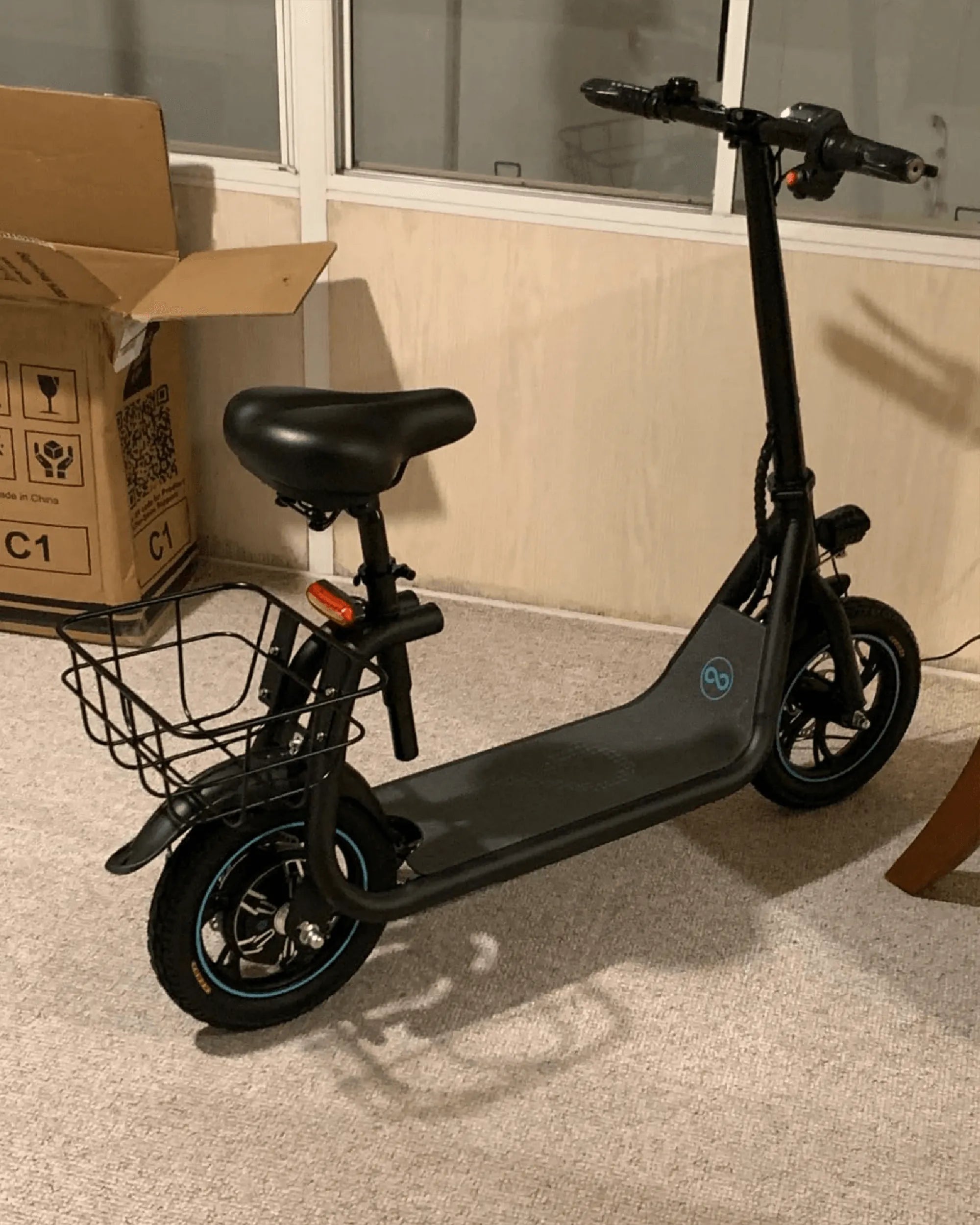
Electric scooters have become a popular mode of transportation, offering convenience and eco-friendly travel. However, like any mechanical device, their motors require regular testing to ensure they function correctly. Whether you're a rider, technician, or DIY enthusiast, knowing how to test an electric scooter motor can save you time, money, and potential safety hazards.
Understanding the Electric Scooter Motor
Before diving into testing procedures, it's crucial to understand the basics of an electric scooter motor. These motors are typically brushless DC (BLDC) or hub motors, designed for efficiency and durability. They rely on electrical signals from the controller to generate motion, making them sensitive to voltage fluctuations, wiring issues, and mechanical wear.
Tools Needed for Testing
To test an electric scooter motor effectively, you'll need a few essential tools:
- Multimeter (for measuring voltage, resistance, and continuity)
- Allen wrenches and screwdrivers (for accessing motor components)
- Battery tester (to ensure proper power supply)
- Insulation tester (for checking wire integrity)
- Load tester (optional, for performance evaluation under stress)
Step-by-Step Testing Process
1. Visual Inspection
Start with a thorough visual inspection of the motor and its connections. Look for:
- Loose or corroded wires
- Physical damage to the motor casing
- Signs of overheating (discoloration or burnt smells)
2. Check Battery Voltage
Use a multimeter to measure the battery voltage. A fully charged battery should match the manufacturer's specified voltage. Low voltage can indicate a failing battery or charging system, which may affect motor performance.
3. Test Motor Windings
Disconnect the motor from the controller and use a multimeter to check the resistance between the motor phases. Consistent resistance readings across all phases indicate healthy windings. Significant variations or open circuits suggest internal damage.
4. Evaluate Hall Sensors (for BLDC Motors)
If your scooter uses a BLDC motor, test the Hall sensors by connecting the multimeter to the sensor wires. Rotate the wheel manually; the voltage should fluctuate as the sensors detect magnetic fields. No change indicates faulty sensors.
5. Perform a No-Load Test
Reconnect the motor to the controller and power the scooter without load (lift the wheel off the ground). Listen for unusual noises and observe smooth rotation. Jerky movements or grinding sounds may point to bearing or alignment issues.
6. Load Testing
If possible, test the motor under load (riding the scooter or applying resistance). Monitor for overheating, power drops, or erratic behavior, which could signal motor or controller problems.
Common Motor Issues and Solutions
During testing, you might encounter common motor issues such as:
- Overheating: Caused by excessive load, poor ventilation, or electrical faults. Ensure proper cooling and check wiring.
- Strange Noises: Often due to worn bearings or loose components. Inspect and replace damaged parts.
- Intermittent Power: May result from loose connections or failing Hall sensors. Recheck all connections and sensor functionality.
Preventive Maintenance Tips
Regular maintenance can extend your electric scooter motor's lifespan:
- Keep the motor clean and free of debris.
- Check and tighten all electrical connections periodically.
- Avoid overloading the scooter beyond its rated capacity.
- Store the scooter in a dry, temperature-controlled environment.
Testing an electric scooter motor doesn't require advanced technical skills—just patience and the right tools. By following these steps, you can diagnose issues early, prevent costly repairs, and enjoy a smoother, safer ride. Don't wait for a breakdown; make motor testing part of your routine scooter care!
Cheap and Best Electric Scooter in Hyderabad: Top Picks for Budget Riders
Why Won't My Electric Scooter Turn On? Troubleshooting Guide