

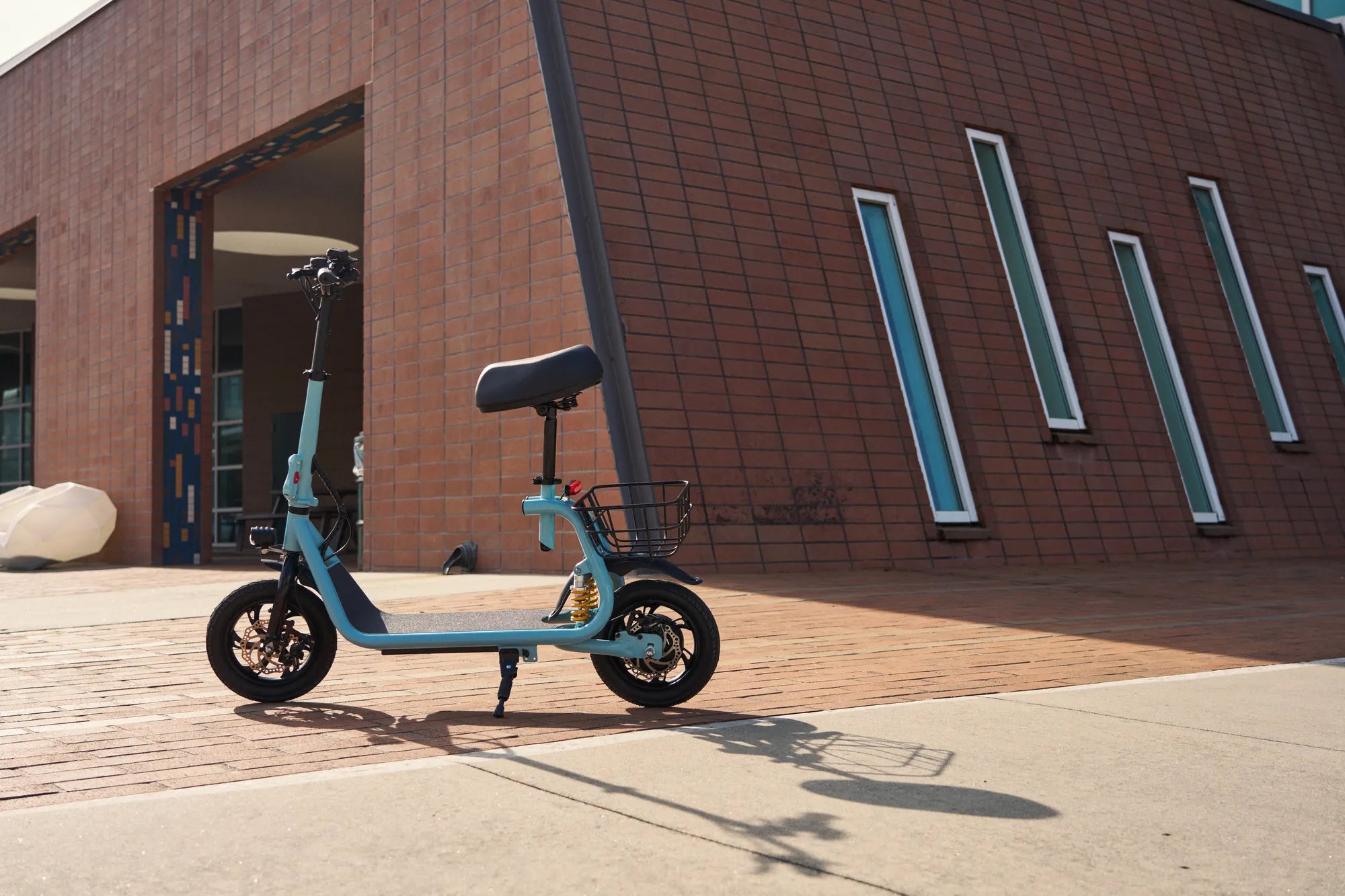
Imagine zipping through city streets on an electric scooter, not just saving time but also reducing your carbon footprint. E-scooters are more than just a trendy way to get around—they’re a powerful tool in the fight against climate change. But how exactly do these compact vehicles make such a big impact? Let’s dive into the science and benefits behind e-scooters and their role in cutting carbon emissions.
The Carbon Footprint of Traditional Transportation
Traditional gas-powered vehicles are a major source of carbon dioxide (CO2) emissions, contributing significantly to global warming. Cars and motorcycles burn fossil fuels, releasing greenhouse gases (GHGs) into the atmosphere. In urban areas, traffic congestion exacerbates the problem, as idling engines emit even more pollutants. Public transportation, while better per passenger, still relies heavily on diesel or electricity generated from non-renewable sources in many regions.
How E-Scooters Compare
E-scooters, on the other hand, are powered by rechargeable batteries, which produce zero tailpipe emissions. Even when accounting for the electricity used to charge them, their carbon footprint is substantially lower than that of gas-powered vehicles. Studies show that e-scooters emit up to 90% less CO2 per mile compared to cars. Their lightweight design and energy efficiency make them a cleaner alternative for short-distance travel.
The Lifecycle of an E-Scooter
To fully understand their environmental impact, we must consider the entire lifecycle of e-scooters, from manufacturing to disposal. While producing lithium-ion batteries and aluminum frames does require energy and resources, the overall emissions are offset by the scooter’s low operational footprint. Proper recycling programs and sustainable manufacturing practices further enhance their eco-friendliness.
Reducing Traffic Congestion
E-scooters help alleviate traffic congestion by taking up less space on roads and requiring minimal parking areas. Fewer cars on the road mean fewer emissions from idling engines and stop-and-go traffic. In dense urban environments, this can lead to measurable improvements in air quality and reduced GHG emissions.
Encouraging Multi-Modal Commutes
Many commuters combine e-scooters with public transit, bridging the "last mile" gap between stations and destinations. This reduces reliance on personal cars for short trips, which are often the least efficient in terms of fuel consumption. By integrating e-scooters into daily routines, cities can create more sustainable transportation networks.
The Role of Renewable Energy
Charging e-scooters with electricity from renewable sources like wind or solar power further slashes their carbon output. As grids transition to cleaner energy, the environmental benefits of e-scooters will only increase. Some scooter-sharing programs already prioritize renewable energy for their charging stations, setting a precedent for greener operations.
Behavioral Shifts and Long-Term Impact
Adopting e-scooters isn’t just about the technology—it’s about changing habits. As more people choose micro-mobility options over cars, the cumulative effect on carbon reduction becomes significant. Cities that invest in scooter-friendly infrastructure, such as dedicated lanes and parking zones, can accelerate this shift and maximize environmental gains.
Switching to an e-scooter isn’t just a personal choice—it’s a step toward a cleaner, greener future. By cutting emissions, easing traffic, and promoting sustainable energy use, these nimble vehicles are proving that small changes can have a big impact. Ready to join the revolution?
Are Electric Scooters Allowed in Ireland? A Complete Guide
Cheap Electric Scooters for Seniors: Affordable Mobility Solutions for Golden Years