



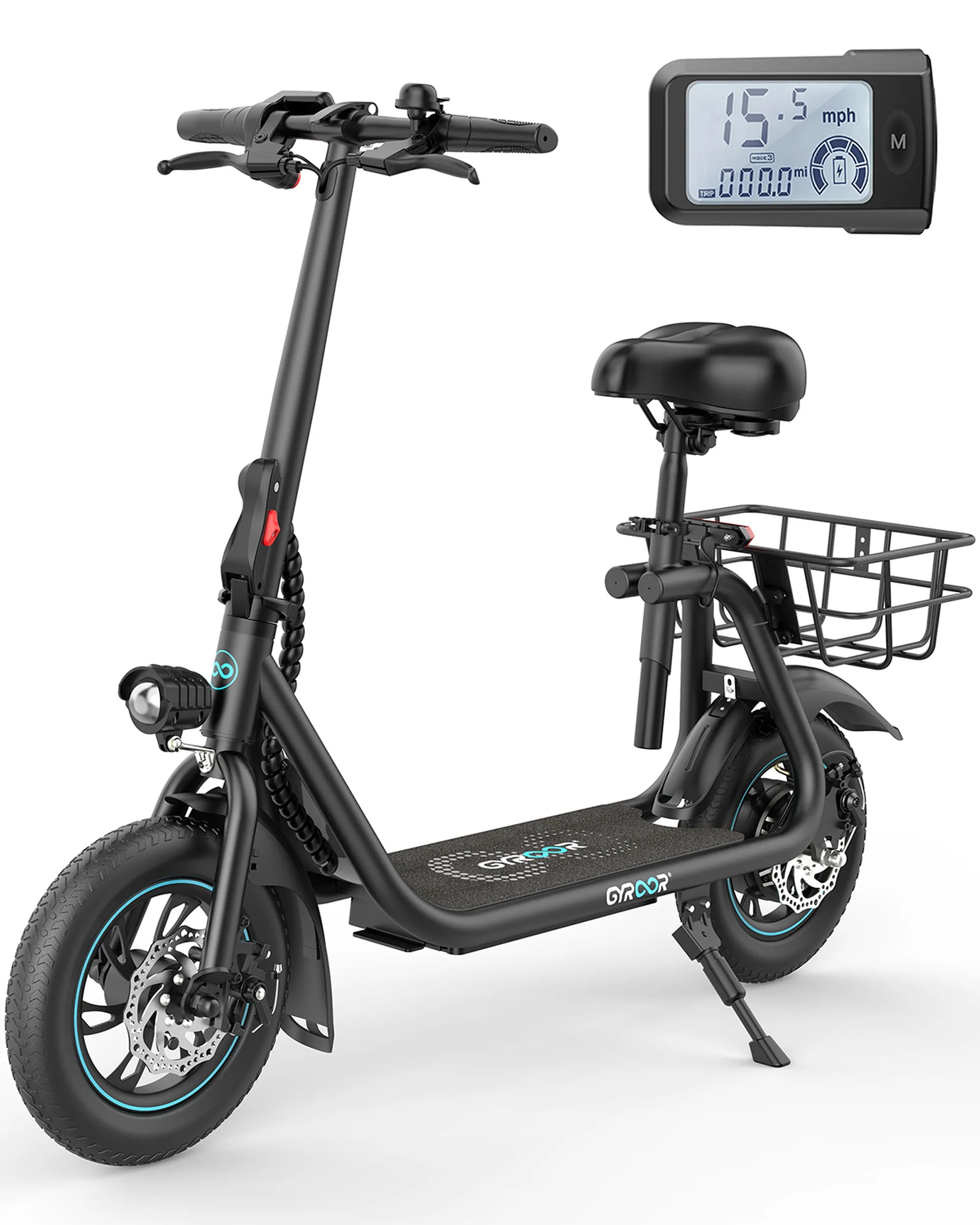
Ever wondered how far an electric bike can take you without even lifting a finger? The answer isn't as simple as a single number—it depends on a variety of factors, from battery capacity to terrain. Whether you're a commuter looking to ditch the car or an adventurer seeking effortless exploration, understanding your e-bike's range is key to unlocking its full potential.
Battery Capacity: The Heart of Your E-Bike's Range
The most critical factor in determining how far your electric bike can go without pedaling is its battery capacity, typically measured in watt-hours (Wh). A higher Wh rating means more stored energy, which translates to a longer range. For example, a 500Wh battery will generally last longer than a 300Wh one under the same conditions.
Motor Efficiency: Power vs. Consumption
Your e-bike's motor plays a significant role in range calculation. More powerful motors (measured in watts) can provide greater assistance but may drain the battery faster. Mid-drive motors tend to be more efficient than hub motors, especially on hilly terrain, potentially extending your no-pedal range.
Rider Weight and Cargo: The Load Factor
Physics doesn't lie—the more weight your e-bike needs to move, the harder the motor works. A heavier rider or additional cargo will reduce your no-pedal range. Pack light if you're aiming for maximum distance without pedaling.
Terrain and Elevation: The Landscape Challenge
Flat city streets are an e-bike's best friend when it comes to maximizing range. Constant hills or off-road trails can cut your no-pedal distance significantly as the motor works harder to maintain speed on inclines.
Speed and Riding Style: The Need for Speed
Higher speeds create more wind resistance, forcing the motor to use more power. Maintaining a moderate, consistent speed (around 15-20 mph) typically offers the best balance between distance and travel time when riding without pedaling.
Weather Conditions: The Invisible Range Thief
Cold temperatures can reduce battery efficiency by up to 20%, while strong headwinds force the motor to work harder. For maximum no-pedal range, choose calm, mild weather days for your rides.
Tire Pressure and Type: Rolling Resistance Matters
Properly inflated tires with low rolling resistance (smooth pavement tires rather than knobby off-road ones) can add miles to your no-pedal range. Check your tire pressure regularly—it's one of the easiest ways to optimize efficiency.
Battery Age and Maintenance: The Longevity Factor
As batteries age, they lose capacity. Proper charging habits (avoiding complete discharges and not leaving the battery at full charge for extended periods) can help maintain your battery's health and preserve your no-pedal range over time.
Real-World Range Estimates
While manufacturer estimates often claim 40-100 miles on a single charge, real-world no-pedal ranges typically fall between 20-50 miles depending on the factors mentioned above. High-end models with large batteries might reach 60+ miles without pedaling under ideal conditions.
Maximizing Your No-Pedal Range
To get the most distance without pedaling: use lower assistance levels when possible, maintain steady speeds, keep your battery charged between 20-80% for daily use, and store your e-bike in moderate temperatures.
Imagine gliding through your city or countryside without breaking a sweat, knowing exactly how far your electric bike can take you on pure power alone. With these insights, you're now equipped to plan your perfect no-pedal adventure or commute with confidence, squeezing every possible mile from your e-bike's battery.
8000 Watt Electric Bike Kit: The Ultimate Power Upgrade for Your Ride
Which Electric Bike Does Not Require License: A Complete Guide