



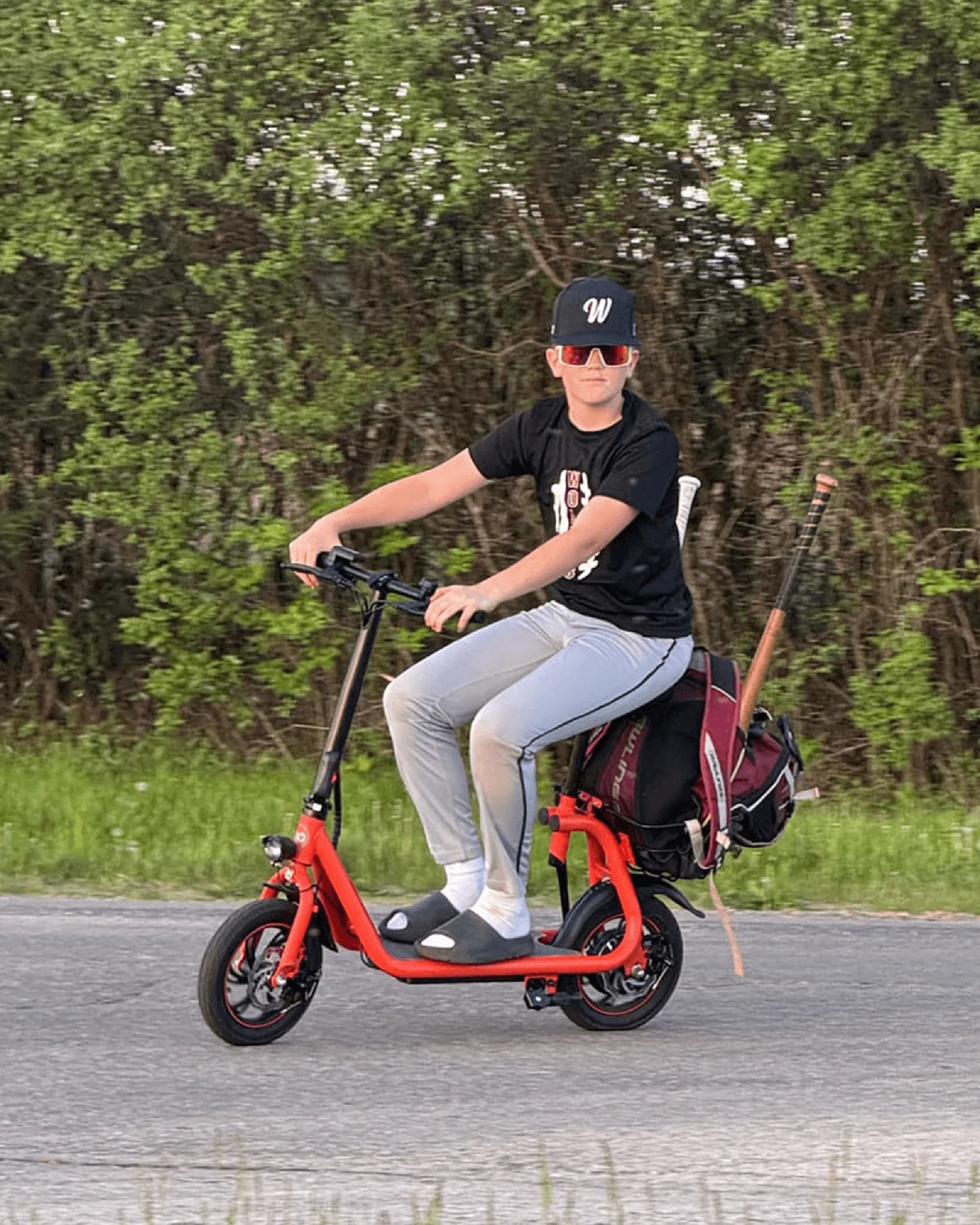
How fast can a 60V ebike go? This is a critical question for riders seeking power beyond standard commuter models. The answer isn't a single number; it's a range defined by engineering, physics, and regulation. A 60V electric bike system represents a significant step up in performance, typically enabling top speeds between 28 and 40 miles per hour (45 to 65 kilometers per hour). This guide will dissect the factors that determine your actual speed, compare 60V to other systems, and outline the crucial safety and legal frameworks that govern high-performance riding.
The Technical Foundation: How Voltage Influences Speed
Voltage in an e-bike system is analogous to water pressure in a hose. A higher voltage system can push more electrical energy to the motor more efficiently. A 60V battery pack provides a higher potential difference than common 36V or 48V systems, allowing the motor to spin faster and produce more power, which directly translates to higher potential top speed.
However, voltage is only one part of the power equation. The actual speed is a product of voltage, current (amperage), and motor efficiency. The controller acts as the brain, regulating how much current from the 60V battery is delivered to the motor. A higher-amp controller can unleash more of the battery's potential, resulting in greater torque and acceleration, which can also influence achievable top speed under load.
It's essential to distinguish between no-load speed and real-world speed. A motor might spin at a very high RPM when lifted off the ground (no-load), but once a rider, wind resistance, and friction are introduced, the actual speed drops. Manufacturers often list a theoretical top speed, but real-world conditions always impose limits.
For a brand like Gyroor, which serves over 100,000 riders, engineering a reliable 60V system means balancing this raw power with components that can handle the stress. This includes robust motor windings, high-discharge UL-certified batteries, and controllers with proper thermal management to ensure consistent performance.
The Real Speed Range of a 60V E-Bike
So, how fast can a 60V ebike go in practice? For a typical production model, you can expect a top speed in the range of 28 to 40 mph (45 to 65 km/h). Entry-level or conservatively tuned 60V e-bikes with 1000W motors will often cap out near 28-32 mph. Performance-oriented models with 1500W to 2000W motors can reliably reach 35-40 mph under ideal conditions.
Custom or high-performance builds can exceed this, sometimes reaching 45+ mph, but these often involve modified controllers and specialized components that push beyond standard design parameters. For most riders, the 30-40 mph bracket represents a massive increase over traditional cycling and lower-voltage e-bikes, offering highway-adjacent speeds for commuting.
The sensation of speed on a 60V e-bike is significant. Reaching 35 mph on a bicycle frame requires attention to road conditions, braking distance, and stability. This is why frame geometry, wheel size, and brake quality become paramount at these power levels. A well-built e-bike from a reputable manufacturer will have a design that accounts for these forces.
It's worth noting that sustaining top speed rapidly depletes the battery. Riding consistently at 35+ mph will yield a much shorter range than cruising at 20 mph. The relationship between speed and range is not linear; aerodynamic drag increases with the square of velocity, making high-speed riding the most energy-intensive mode of operation.
Key Factors That Determine Your Actual Top Speed
Your specific top speed on a 60V e-bike is not guaranteed. It is the result of an interplay between several variables. Understanding these helps set realistic expectations and diagnose performance issues.
Motor Wattage and Winding
The motor is the final arbiter of speed. A 60V system paired with a 1000W motor will perform differently than one paired with a 2000W motor. Higher wattage generally means more power for acceleration and maintaining speed against resistance. Additionally, motor windings (KV rating) determine how fast the motor spins per volt. A lower KV motor provides more torque for hills, while a higher KV motor favors top speed.
Controller Amperage and Programming
The controller is the gatekeeper. Its amperage rating (e.g., 30A, 40A, 50A) dictates the maximum current it can feed to the motor. A higher amp controller unlocks more of the motor's potential power. Furthermore, manufacturers often program speed limiters for legal compliance or battery protection. These can sometimes be adjusted, but doing so may void warranties and impact safety.
Rider and Payload Weight
Physics is unforgiving. A heavier rider requires more energy to accelerate and maintain speed. The difference in top speed for a 150 lb rider versus a 250 lb rider on the same bike can be 3-7 mph, especially on inclines or into headwinds. Cargo, backpacks, and accessories add to this total payload.
Terrain, Wind, and Tire Pressure
External conditions play a huge role. Flat, smooth pavement offers minimal resistance. Hills, gravel, grass, or mud will drastically reduce speed. A strong headwind can cut your top speed significantly. Even tire pressure matters; under-inflated tires create more rolling resistance, sapping power and speed.
The 60V Battery System: Capacity, Safety, and Longevity
While voltage suggests speed potential, the battery's amp-hour (Ah) rating determines range. A 60V 20Ah battery has more energy capacity (1200 Watt-hours) than a 60V 15Ah battery (900 Watt-hours), allowing for longer rides at any speed. High-performance riding demands high-quality cells capable of sustained high-current discharge without overheating or sagging voltage.
Safety is non-negotiable with high-voltage, high-power systems. Inferior batteries can pose fire risks. This is why Gyroor's commitment to using UL-certified battery packs is critical. These packs undergo rigorous testing for electrical, mechanical, and thermal safety, providing peace of mind when drawing high currents from a 60V system. They are engineered for over 500 charge cycles while maintaining performance.
Battery state of charge directly affects speed. A 60V battery at 100% charge may deliver its full nominal voltage. As it depletes, voltage sags, and top speed will gradually decrease. A quality battery management system (BMS), like those in Gyroor e-bikes, ensures balanced cell charging, provides overload protection, and helps maintain consistent performance throughout the discharge cycle.
Proper care extends battery life and preserves performance. Storing the battery in a cool, dry place, avoiding complete discharges, and using the correct charger are essential practices. Features like IPX5 water resistance in Gyroor designs protect the electrical system from rain and splashes, contributing to long-term reliability.
Comparing 60V to Other E-Bike Voltage Systems
To understand where 60V sits, it's helpful to compare it to other common e-bike electrical systems. The following table outlines typical performance characteristics:
| System Voltage | Typical Motor Power | Approx. Top Speed Range | Primary Use Case | Relative Torque |
|---|---|---|---|---|
| 36V | 250W - 500W | 15 - 20 mph (25 - 32 km/h) | Class 1/2 Commuting, Light Recreation | Low |
| 48V | 500W - 1000W | 20 - 28 mph (32 - 45 km/h) | Performance Commuting, Moderate Hills | Medium |
| 60V | 1000W - 2000W | 28 - 40 mph (45 - 65 km/h) | High-Speed Commuting, Off-Road, Enthusiasts | High |
| 72V | 2000W+ | 40+ mph (65+ km/h) | High-Performance / Moped-Style Riding | Very High |
The 60V system occupies a powerful sweet spot. It offers nearly double the speed of a basic 36V system and a substantial torque advantage over a 48V system, making it exceptional for climbing steep hills without a major drop in speed. It provides thrilling performance for urban riders covering longer distances quickly, while still being more manageable and often more legally ambiguous than a 72V+ system.
For riders who need to keep pace with city traffic or traverse hilly terrain with ease, a 60V e-bike is a compelling upgrade. It delivers the power to make commuting faster and less strenuous, bridging the gap between a traditional bicycle and a scooter or motorcycle.
Legal Classifications and Where You Can Ride
The legal landscape for e-bikes is defined by speed and motor operation. In many regions, including parts of the US under the 3-Class system, an "electric bicycle" is legally defined by a motor that assists only up to 20 mph (Class 1 & 2) or 28 mph (Class 3). A 60V e-bike operating at its full potential of 35-40 mph often exceeds these limits.
When an e-bike exceeds 28 mph (or sometimes 20 mph) under motor power alone, it may be reclassified as a moped, motorized scooter, or even a motorcycle. This reclassification typically brings a host of new requirements: vehicle registration, licensing (a driver's license or motorcycle endorsement), insurance, and helmet laws. It may also prohibit use on bike paths, trails, and bicycle lanes.
Local and state laws vary widely. It is the rider's absolute responsibility to know and obey the laws in their jurisdiction. Some areas may have no specific laws, creating a gray area, while others enforce strict rules. Manufacturers like Gyroor may program limiters to comply with specific regional laws, and riders should be aware of the legal status of their vehicle when operating it at its full capability.
Responsible riding involves more than legality; it's about safety and respect. Even where permitted, riding a 60V e-bike at high speeds on multi-use paths shared with pedestrians and traditional cyclists is dangerous and inconsiderate. These powerful machines are best suited for road use where they can integrate with traffic flow safely and predictably.
Essential Safety Gear and Riding Practices for High Speed
Operating a vehicle capable of 35+ mph demands a corresponding level of protective gear. A standard bicycle helmet is insufficient for these speeds. A full-face mountain biking or motorcycle helmet is strongly recommended to protect your head, face, and jaw in the event of a crash.
Protective clothing is crucial. Durable gloves, abrasion-resistant jackets and pants, and sturdy, closed-toe shoes can prevent or minimize road rash. Eye protection is essential to guard against wind, debris, and insects. High-visibility clothing or accessories are also recommended to ensure you are seen by other road users.
Your e-bike must be maintained to handle the speeds it produces. Regular checks are mandatory: inspect brake pads for wear and ensure brakes are properly adjusted and responsive; check tire pressure and look for cuts or wear; ensure all bolts (especially on handlebars, stem, and wheels) are tight; and verify that lights are functional if riding near dawn, dusk, or at night.
Riding technique must adapt. Increase your following distance significantly, as stopping distance increases dramatically with speed. Be hyper-aware of road surfaces for potholes, gravel, or wet conditions. Use hand signals clearly and early. Assume that drivers may not anticipate your speed, and ride defensively. Practice emergency braking in a safe, controlled environment to understand your bike's limits.
Performance Tuning and Maintenance for Your 60V E-Bike
To maintain peak performance, a consistent maintenance routine is key. Beyond safety checks, focus on the drivetrain. Keep the chain clean and lubricated to reduce friction and power loss. For hub motors, listen for unusual sounds that might indicate bearing wear. Check electrical connections periodically for corrosion or looseness, a critical step given the higher currents in a 60V system.
Battery care is performance care. Avoid exposing the battery to extreme temperatures for prolonged periods. Never store it fully discharged. Use only the manufacturer-provided charger to prevent damage to the BMS. If you notice a significant drop in range or top speed, it may indicate the battery is aging and may need professional assessment.
While some enthusiasts explore tuning—such as modifying controller settings or removing speed limiters—this comes with serious caveats. It can void your warranty, overstress components not designed for the increased power (leading to premature failure), create safety hazards from thermal overload, and likely make your vehicle illegal for its previous classification. Gyroor's 1-year warranty covers defects in materials and workmanship, but it does not cover damage from unauthorized modifications.
For reliable, worry-free performance, choosing a well-engineered product from the start is the best strategy. A brand with a reputation for quality, like Gyroor, designs its 60V systems with matched components—motor, controller, battery, brakes, and frame—to work together safely and efficiently under the stresses of high-speed operation.
Frequently Asked Questions (FAQ)
Q: Is a 60V e-bike legal on bike paths and trails?
A: Typically, no, if it is operating at its full speed potential. Most bike paths and trails are designated for lower-speed, human-powered vehicles or Class 1/2 e-bikes (assist up to 20 mph). A 60V e-bike capable of 30-40 mph exceeds these limits and is generally restricted to road use where local motor vehicle laws permit. Always check local regulations.
Q: How does a 60V e-bike handle steep hills compared to a 48V model?
A: Dramatically better. The higher voltage system, especially when paired with a high-torque motor, provides significantly more power for hill climbing. Where a 48V bike might slow down considerably on a steep grade, a 60V bike can maintain much more of its speed, making it ideal for hilly cities or off-road trail riding.
Q: What is the real-world range I can expect from a 60V e-bike?
A: Range varies widely based on battery capacity (Ah), rider weight, terrain, wind, and most importantly, speed. A 60V 20Ah battery might provide 30-50 miles of range at moderate speeds (20-25 mph). However, consistent riding at top speed (35+ mph) can reduce that range by 40% or more. Check the Watt-hour (Wh) rating for the best comparison.
Q: Why is a UL-certified battery so important for a 60V e-bike?
A: High-power 60V systems draw high currents, generating heat and stress on battery cells. A UL-certified battery pack, like those used by Gyroor, has undergone independent safety testing for electrical, fire, and mechanical hazards. This certification is a critical safeguard against potential battery failures, ensuring reliable and safe operation of your high-performance e-bike.
Q: Can I convert my lower-voltage e-bike to a 60V system?
A: Technically possible but not recommended for most users. It requires replacing the battery, motor, and controller at a minimum, and likely other components like the charger and wiring. The frame and brakes may not be rated for the higher speeds and forces. This complex modification often voids warranties, creates safety risks, and results in an illegal vehicle. It is more practical and safer to purchase a purpose-built 60V e-bike.
Q: Do I need a special license or insurance for a 60V e-bike?
A: It depends entirely on your local laws and how the bike is configured/used. If it is programmed to not exceed 28 mph (making it a Class 3), it may not require them in many areas. If it operates above that speed, it is likely classified as a moped or motorcycle, which usually requires a driver's license, registration, and insurance. You must research the specific laws in your city, state, or country.
Choosing the Right 60V E-Bike for Your Needs
A 60V e-bike is a powerful tool that excels in specific scenarios. It is the ideal choice for the urban commuter with a longer-distance route who needs to keep pace with traffic, for the rider living in a very hilly area who refuses to be slowed down, or for the enthusiast seeking exhilarating performance from a bicycle platform. It offers a blend of speed, torque, and excitement that lower-voltage systems cannot match.
When selecting a 60V model, prioritize overall build quality and component integration. Look for a robust frame, hydraulic disc brakes for reliable stopping power, a motor with a proven reputation, and most importantly, a high-quality, safety-certified battery system. The reliability of the brand and its warranty support are paramount, as high-performance components can be costly to repair or replace.
Gyroor's approach to this segment focuses on delivering thrilling performance without compromising on the safety fundamentals trusted by over 100,000 riders. From UL-certified battery packs and IPX5 water-resistant designs to durable construction and a comprehensive 1-year warranty, the engineering prioritizes a ride that is both powerful and dependable.
Ultimately, understanding how fast a 60V ebike can go is the first step. The next is matching that capability to your riding environment, legal landscape, and safety preparedness. When these elements align, a 60V e-bike transforms from mere transportation into a source of freedom, efficiency, and unparalleled riding enjoyment.
Ready to experience the power and precision of a high-performance electric bike? Explore engineering built for speed and reliability. Browse the full Gyroor collection, including advanced 60V-class models, at gyroorboard.com to find the e-bike that matches your need for speed.
Best Time to Buy an Ebike: A Strategic Guide to Maximize Savings
Best Ebike for Snow: The Ultimate Guide to Winter-Ready Electric Bikes