



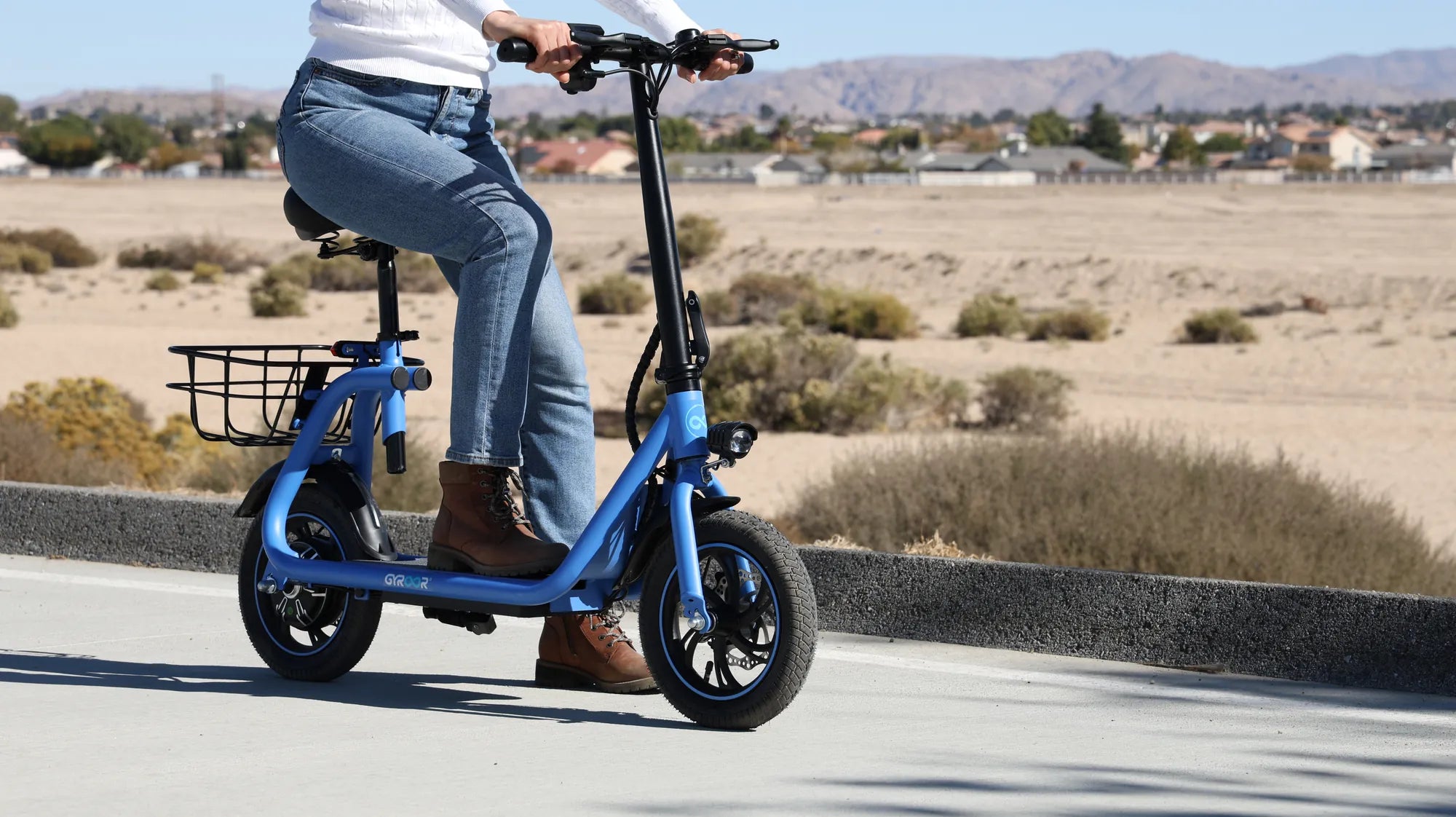
Understanding E-Bike Classes: A Primer
Before pinpointing the exact speed of a Class 2 e-bike, it's essential to understand the classification system that governs electric bicycles in the United States. This three-tiered system, widely adopted by states and municipalities, categorizes e-bikes based on their top motor-assisted speed and how the motor is engaged. The primary goal is to regulate where different types of e-bikes can be ridden, ensuring safety for all road and trail users.
Class 1 e-bikes are defined by a motor that provides assistance only when the rider is pedaling, known as pedal-assist. This assistance ceases once the bicycle reaches 20 miles per hour. Class 3 e-bikes also operate on a pedal-assist-only system, but the motor can assist up to a higher speed of 28 miles per hour. These models often require a speedometer.
This brings us to the central question: how fast can a class 2 ebike go? A Class 2 e-bike is characterized by its ability to be propelled by a motor alone, using a throttle, without the rider pedaling. Crucially, like a Class 1, its motor is also capped at providing assistance up to 20 miles per hour. This combination of throttle-on-demand and a 20 mph limit defines the Class 2 experience, making it exceptionally accessible for new riders or those seeking effortless mobility.
The classification is not just a technicality; it directly impacts where you can legally ride. Many multi-use trails, bike paths, and parks that permit traditional bicycles also allow Class 1 and Class 2 e-bikes, thanks to their shared 20 mph speed governor. Understanding this framework is the first step to a compliant and enjoyable riding experience.
The Speed Limit of a Class 2 E-Bike: The Legal Framework
The definitive answer to "how fast can a class 2 ebike go" is 20 miles per hour under motor power. This is not a suggestion or a typical maximum, but a federally recognized limit embedded in the model legislation from the Consumer Product Safety Commission (CPSC) that most states follow. The motor, whether activated by the throttle or through pedal-assist sensors, is programmed to stop providing power once the bike hits 20 mph.
This speed limit is a critical safety and regulatory feature. It places Class 2 e-bikes in a category that is generally treated similarly to traditional bicycles under the law, allowing access to bike lanes and paths where faster motorized vehicles might be prohibited. The 20 mph threshold is considered a safe and manageable speed for mixed-use environments shared with pedestrians, cyclists, and other path users.
It is vital to distinguish between motor-assisted speed and total bike speed. The 20 mph limit applies specifically to the speed the motor will help you achieve. If you are traveling downhill or pedaling vigorously on flat ground, you can exceed 20 mph using your own leg power alone. In this scenario, the motor has simply disengaged, and you are riding it as a standard, albeit heavier, bicycle.
Manufacturers like Gyroor design their Class 2 models to comply strictly with this 20 mph assist limit. This compliance is a cornerstone of product safety and legal operation. When researching an e-bike, verifying its class designation is the most reliable way to understand its performance envelope and where you can legally use it.
Factors That Influence Real-World Class 2 E-Bike Speed
While the motor cuts off at 20 mph, the actual speed you maintain on a Class 2 e-bike is influenced by a variety of dynamic factors. Understanding these variables helps set realistic expectations for your commute or recreational ride. The rated top speed is typically achieved under ideal conditions: a fully charged battery, a rider of average weight on flat, smooth pavement with minimal wind.
Rider weight and cargo are significant factors. The motor must work harder to accelerate and maintain speed for a heavier load. A rider carrying groceries or a backpack will likely see a slight reduction in acceleration and may find it harder to sustain the maximum 20 mph on an incline compared to a lighter rider. The bike's own weight, including its battery and frame, is part of this equation.
Terrain and incline are perhaps the most obvious influencers. A Class 2 e-bike's throttle is particularly advantageous for hill starts, providing immediate torque without pedaling. However, on a sustained steep hill, the motor may struggle to maintain 20 mph, and your speed will drop. Conversely, on a downhill slope, you can easily coast past 20 mph without any motor assistance.
Other mechanical and environmental conditions play a role. Properly inflated tires reduce rolling resistance, aiding efficiency and speed. A strong headwind creates drag that the motor must overcome. Finally, battery charge level is crucial; as the battery depletes, voltage drops, and the motor's peak power output can diminish, potentially reducing top speed and acceleration in the latter part of your ride.
Class 2 vs. Other E-Bike Classes: A Speed and Performance Comparison
Choosing the right e-bike class depends heavily on your intended use, desired assistance style, and local regulations. The following table provides a clear, side-by-side comparison of the three primary classes, with a focus on speed and operation.
| Feature | Class 2 E-Bike | Class 1 E-Bike | Class 3 E-Bike |
|---|---|---|---|
| Max Motor-Assisted Speed | 20 mph | 20 mph | 28 mph |
| Throttle | Yes | No | No (in most states) |
| Pedal-Assist (PAS) | Yes | Yes | Yes |
| Motor Engagement | Throttle or Pedaling | Pedaling Only | Pedaling Only |
| Typical Use Case | Easy commutes, relaxed riding, hill starts, accessible mobility | Parks, trails (where throttles may be restricted), fitness-oriented riding | Longer commutes, faster road riding, keeping pace with urban traffic |
| Common Access | Bike lanes, paths, some trails | Bike lanes, paths, most trails | Bike lanes, roads; often restricted on trails |
As the table illustrates, the Class 2 e-bike's unique advantage is its throttle. This feature allows you to move from a standstill to cruising speed without pedaling, which is invaluable in stop-and-go traffic, for riders with limited mobility, or for effortlessly starting on an incline. Its shared 20 mph limit with Class 1 makes it widely acceptable on infrastructure designed for bicycles.
The Class 3 e-bike, while faster, comes with trade-offs. The lack of a throttle means you must always pedal to get assistance, and its higher speed often restricts it from many bike trails and multi-use paths, limiting it primarily to roads and dedicated bike lanes. Your local laws will dictate where a Class 3 is permitted.
Ultimately, if your priority is effortless operation and maximum accessibility under common bicycle rules, a Class 2 e-bike hitting that 20 mph mark is frequently the ideal compromise. It offers more flexibility than a Class 1 and faces fewer restrictions than a Class 3, all while providing a speed that is practical for most urban and suburban environments.
The Engineering Behind the 20 MPH Limit: Motor and Battery Dynamics
The consistent 20 mph top speed of a Class 2 e-bike is not arbitrary; it is the result of specific engineering parameters and electronic governance. At the heart of the system is the controller, a small computer that regulates power flow from the battery to the motor based on input from the throttle, pedal-assist sensor, and speed sensor.
The speed sensor, often a hall-effect sensor mounted near the wheel, constantly monitors the bike's rotational velocity. When it signals the controller that the bike has reached 20 mph, the controller cuts power to the motor. This happens seamlessly, whether the motor was engaged via the throttle or pedal-assist. The rider may feel a slight drop in acceleration as they transition to maintaining speed through pedaling alone.
The motor's power rating, measured in watts, influences how quickly the bike reaches that 20 mph limit. A 500W motor will provide stronger acceleration and better hill-climbing ability than a 250W motor, though both are governed to stop assisting at the same top speed. The battery's voltage (e.g., 36V, 48V) and amp-hour (Ah) capacity determine the system's potential power and range, respectively.
For a brand like Gyroor, engineering for this limit also involves ensuring safety and longevity. Using a UL-certified battery pack is critical, as it guarantees the battery management system (BMS) is designed to handle the sustained power draw required to reach and cruise at 20 mph without overheating or becoming unstable. This certified safety is non-negotiable for reliable performance at the governed speed.
Why Choose a Gyroor Class 2 E-Bike? Balancing Speed, Safety, and Reliability
When selecting a Class 2 e-bike, the 20 mph speed is a given. The differentiator lies in how safely, reliably, and comfortably the bike delivers that performance. This is where a brand's commitment to quality engineering and rider support becomes paramount. Gyroor builds its Class 2 models around a philosophy that balances accessible speed with robust safety features and dependable construction.
Safety at 20 mph starts with control. Gyroor e-bikes are equipped with integrated braking systems, often combining disc brakes for strong, consistent stopping power in various weather conditions. Bright front and rear lights, along with reflectors, are standard to ensure visibility. The frame geometry and construction are designed for stable handling at the bike's maximum assisted speed, providing confidence to the rider.
Reliability is engineered into every component. The IPX5 water-resistant rating on key electrical components means a sudden rain shower or wet roads won't compromise your ride. This protection is essential for a vehicle used for daily commuting. Furthermore, the use of UL-certified battery packs, tested for over 500 charge cycles, ensures the heart of the e-bike is not only safe but also built for long-term performance without significant degradation.
This commitment is backed by a comprehensive 1-year warranty, offering peace of mind that the bike is designed to last. For over 100,000 riders across North America and Europe, this blend of governed speed, certified safety, and warranty-backed reliability makes a Gyroor Class 2 e-bike a trusted choice for urban mobility. You get the full, legal 20 mph capability without compromising on the quality that makes daily use practical and enjoyable.
Frequently Asked Questions About Class 2 E-Bike Speed
1. Can a Class 2 e-bike go faster than 20 mph?
Yes, but not under motor power. The motor will stop providing assistance once the bike reaches 20 mph. However, you can pedal harder on flat ground or coast downhill to exceed 20 mph using only your own momentum and leg power. The bike itself is not physically limited; only the motor assist is.
2. Where can I legally ride a Class 2 e-bike?
Laws vary by state and locality, but generally, Class 2 e-bikes are allowed anywhere a traditional bicycle is permitted. This includes bike lanes, streets, and many multi-use trails and paths. Some specific trails, particularly natural surface or wilderness trails, may prohibit e-bikes with throttles, so it's always best to check local regulations before riding.
3. Is the throttle necessary to reach the 20 mph speed?
No, it is not necessary. A Class 2 e-bike also has pedal-assist modes. You can reach 20 mph by pedaling with motor assistance. The throttle's primary benefits are moving from a stop without pedaling (great for intersections), assisting on hills from a low speed, and giving your legs a rest while maintaining cruising speed.
4. How does rider weight affect the top speed of a Class 2 e-bike?
Rider weight (plus any cargo) primarily affects the rate of acceleration and the ability to maintain the top speed on inclines. A heavier total load requires more power from the motor. While the motor will still try to assist up to 20 mph on flat ground, reaching that speed may take slightly longer, and you may see a reduced speed on hills compared to a lighter rider.
5. How does Gyroor ensure safety and reliability at these speeds?
Gyroor integrates multiple safety layers. Mechanically, reliable braking systems like disc brakes provide consistent stopping power. Electrically, UL-certified battery packs with robust management systems prevent overheating. Physically, IPX5 water-resistant construction protects vital components, and durable frames ensure stable handling. The 1-year warranty stands behind this commitment to safe, reliable performance at the bike's governed speed.
Conclusion: The Right Speed for the Urban Journey
The question of how fast can a class 2 ebike go has a clear answer: 20 miles per hour with motor assistance. This speed is not a limitation but a carefully considered standard that enables accessible, practical, and legal urban mobility. It represents a sweet spot—fast enough to significantly reduce commute times and keep pace with city traffic flow, yet slow enough to be safe on bike paths and manageable for new riders.
The true measure of a great Class 2 e-bike is not just its ability to hit 20 mph, but how securely and dependably it performs at that speed day after day. It's about the confidence from a responsive brake system, the assurance of a water-resistant design for all-weather commuting, and the peace of mind that comes from a UL-certified battery and a strong warranty.
For navigating city streets, running errands, or enjoying a leisurely ride, the governed speed of a Class 2 e-bike offers an ideal balance of efficiency and accessibility. By choosing a responsibly engineered model from a trusted brand, you invest in a reliable form of transportation that delivers consistent performance within the legal framework, making every journey both enjoyable and compliant.
Discover the perfect blend of controlled speed, safety, and reliability for your commute. Browse the full Gyroor collection at gyroorboard.com to find a Class 2 e-bike built to deliver a confident and enjoyable 20 mph ride, backed by certified components and comprehensive support.
Pink Electric Tricycle: The Ultimate Guide to Safe, Stable & Stylish E-Mobility
84v ebike: The Ultimate Guide to High-Voltage Electric Bicycle Power