



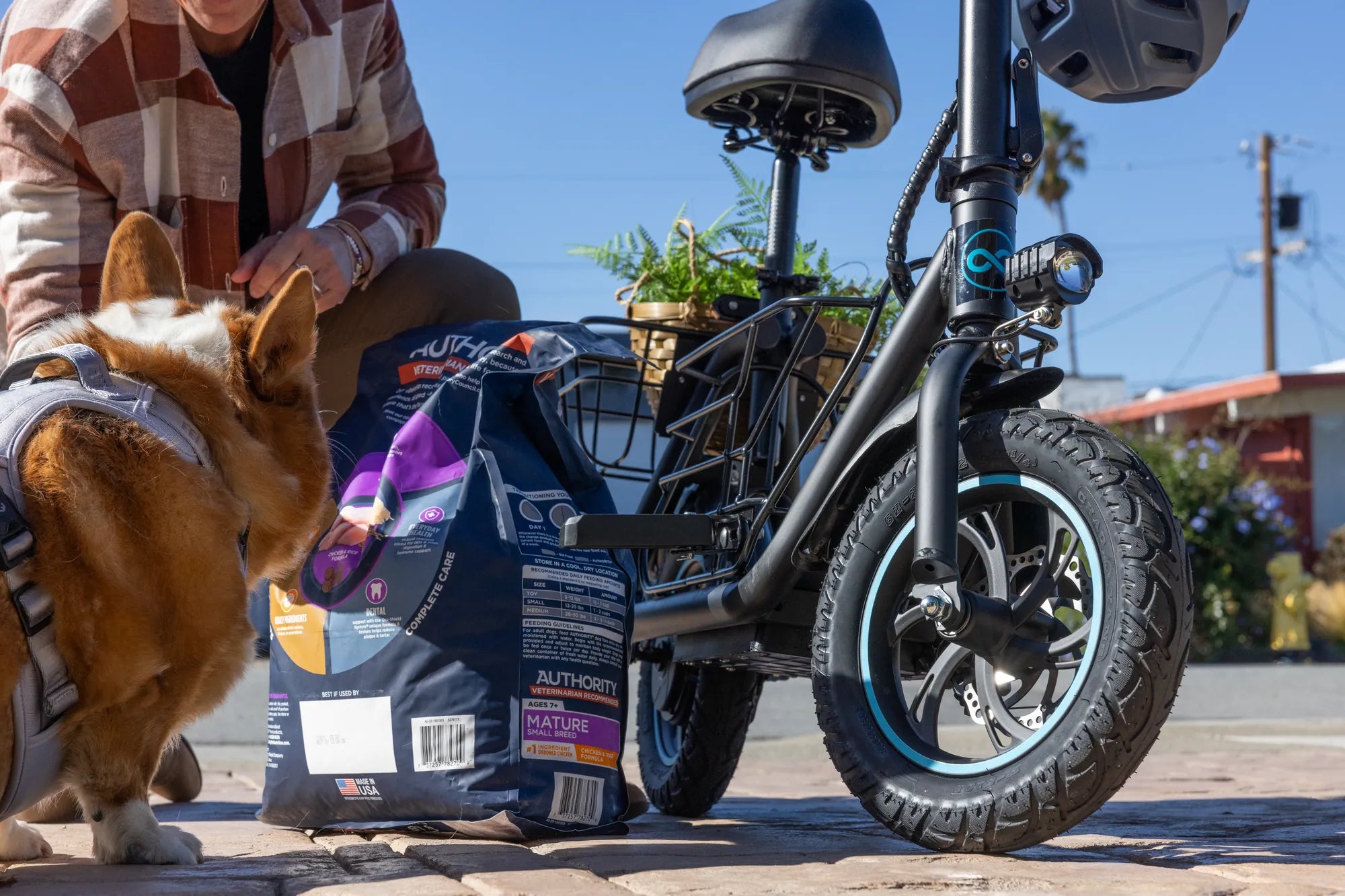
Ever wondered just how fast an ebike can go? Whether you're a commuter looking to shave minutes off your ride or an adrenaline junkie craving speed, understanding the limits of electric bikes is key. From legal restrictions to motor capabilities, let's dive into what determines an ebike's top speed and how you can make the most of it.
Legal Speed Limits for Ebikes
Before pushing the throttle, it's important to know the legal boundaries. In most regions, ebikes are classified into three categories:
- Class 1: Pedal-assist only, with a maximum speed of 20 mph (32 km/h).
- Class 2: Throttle-assisted, also capped at 20 mph (32 km/h).
- Class 3: Pedal-assist with a higher limit of 28 mph (45 km/h).
Exceeding these limits may require registration, licensing, or even reclassification as a motor vehicle. Always check local regulations to stay compliant.
Factors That Influence Ebike Speed
Several elements determine how fast an ebike can go beyond legal restrictions:
Motor Power and Wattage
The motor is the heart of an ebike's speed. Higher-wattage motors (e.g., 750W or 1000W) can achieve greater speeds, but they also drain the battery faster. A 250W motor might suffice for casual riding, while a 500W or 750W motor is better for hilly terrain or faster commuting.
Battery Voltage and Efficiency
A higher-voltage battery (e.g., 48V vs. 36V) delivers more power to the motor, enabling faster acceleration and higher top speeds. However, battery efficiency also depends on factors like temperature and charge cycles.
Rider Input and Pedal Assistance
Ebikes with pedal-assist systems (PAS) rely on rider effort to maximize speed. The more you pedal, the more the motor assists, potentially pushing the bike beyond its throttle-only limit.
Weight and Aerodynamics
Heavier riders or loaded cargo can slow an ebike down. Aerodynamic positioning (e.g., crouching low) can help reduce wind resistance and increase speed.
Can You Modify an Ebike to Go Faster?
Some riders attempt to tweak their ebikes for higher speeds by:
- Removing speed limiters (though this may void warranties and violate laws).
- Upgrading motors or batteries (requires technical expertise).
- Switching to high-performance tires (reduces rolling resistance).
However, modifying an ebike can compromise safety and legality. Always weigh the risks before making changes.
Safety Considerations at High Speeds
Riding at higher speeds increases the risk of accidents. To stay safe:
- Wear a helmet and protective gear.
- Ensure brakes are responsive and well-maintained.
- Be mindful of road conditions and traffic.
Real-World Speed Tests
Independent tests show that most off-the-shelf ebikes hit their advertised speeds (20-28 mph) under ideal conditions. However, factors like incline, wind, and battery level can affect real-world performance.
Ready to experience the thrill of an ebike at full tilt? Whether you're chasing speed or just want a quicker commute, understanding these factors will help you ride smarter—and faster—safely. The open road (or trail) awaits!
Full Face Dirt Bike Helmet: The Ultimate Guide for Safety and Performance
Full Face Dirt Bike Helmet: The Ultimate Guide for Safety and Performance