


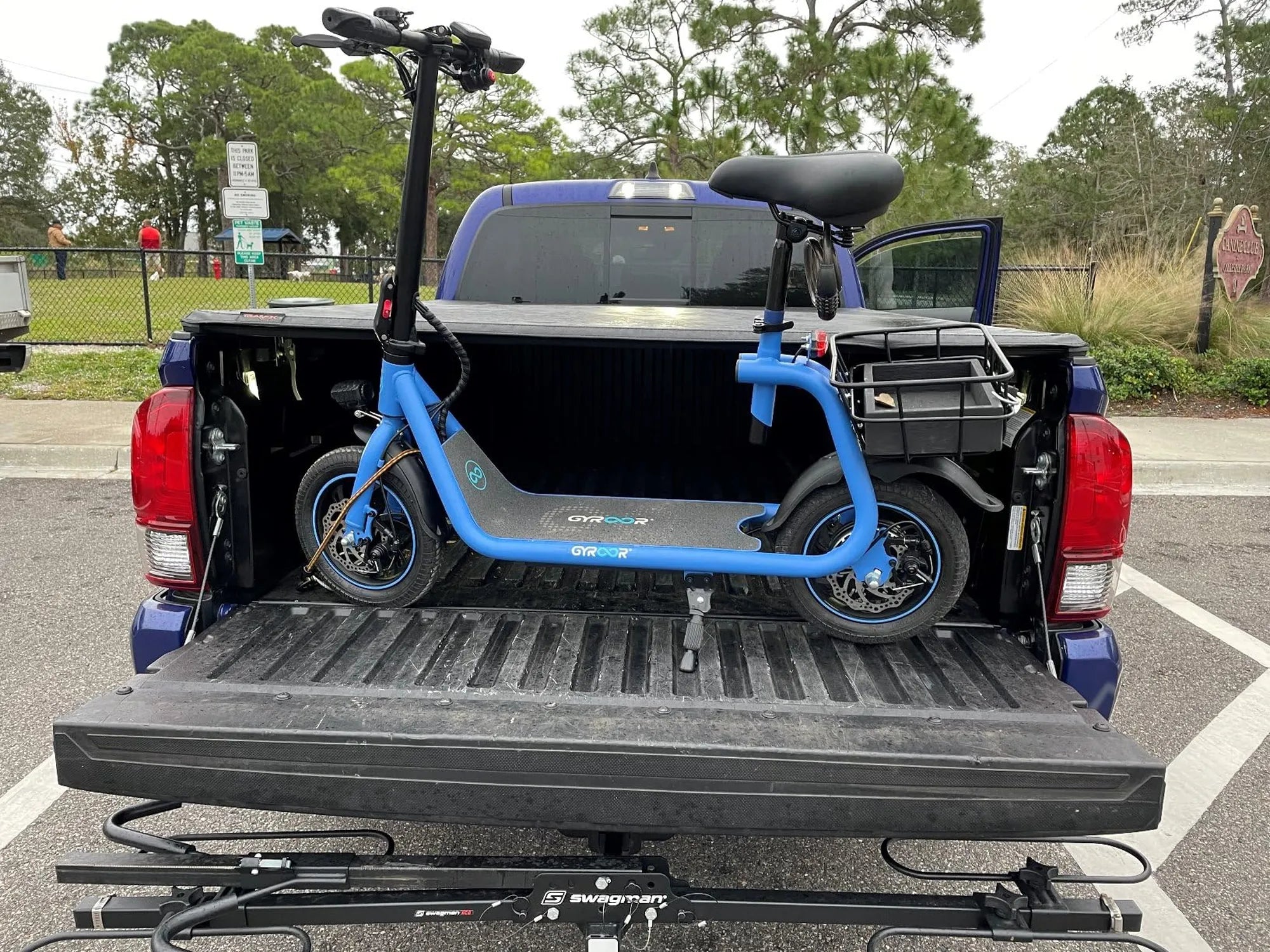
Ever wondered how fast you can legally ride an ebike without breaking the rules? The answer isn’t as straightforward as you might think. With electric bikes gaining popularity worldwide, understanding the legal speed limits is crucial for both safety and compliance. Let’s dive into the details to ensure you stay on the right side of the law while enjoying your ride.
Understanding Ebike Classifications
Ebikes are typically categorized into three main classes, each with its own speed restrictions. These classifications help regulate how fast an ebike can go legally and where it can be ridden.
Class 1 Ebikes
Class 1 ebikes are pedal-assist only, meaning the motor only engages when you’re pedaling. These bikes are usually limited to a top speed of 20 mph (32 km/h) in most regions. They’re often allowed on bike paths and trails where traditional bicycles are permitted.
Class 2 Ebikes
Class 2 ebikes come with a throttle-assisted mode, allowing the bike to move without pedaling. Like Class 1, they’re also capped at 20 mph (32 km/h). However, some areas may restrict throttle-assisted bikes from certain trails or paths.
Class 3 Ebikes
Class 3 ebikes are pedal-assist only but can reach higher speeds, typically up to 28 mph (45 km/h). Due to their increased speed, they may be subject to additional regulations, such as helmet requirements or restrictions on where they can be ridden.
Legal Speed Limits by Region
Speed limits for ebikes vary depending on where you live. Here’s a breakdown of some common regulations:
United States
In the U.S., federal law defines ebikes as bicycles with motors up to 750 watts and a maximum speed of 20 mph (32 km/h) when powered solely by the motor. However, individual states can impose their own rules, with some allowing Class 3 ebikes to go up to 28 mph (45 km/h).
European Union
The EU classifies ebikes as "pedelecs" if they assist up to 25 km/h (15.5 mph) and have a motor no stronger than 250 watts. Faster models are considered mopeds and require registration, insurance, and a helmet.
Canada
In Canada, ebikes are limited to 32 km/h (20 mph) and must have a motor no larger than 500 watts. Riders may need a license or insurance depending on the province.
Why Speed Limits Matter
Speed limits aren’t just about following the law—they’re about safety. Higher speeds increase the risk of accidents, especially in shared spaces like bike lanes or multi-use trails. By adhering to legal limits, you protect yourself and others while enjoying the benefits of electric biking.
How to Stay Compliant
To ensure your ebike is legal, check local regulations before riding. Look for speed limit signs, wear appropriate safety gear, and consider investing in a speedometer to monitor your speed. Remember, exceeding legal limits could result in fines or even having your bike classified as a motor vehicle.
Ready to hit the road with confidence? Now that you know how fast an ebike can go legally, you’re equipped to enjoy your ride while staying safe and compliant. Whether you’re commuting or exploring, understanding these rules ensures a smooth and hassle-free experience.
Ebike Throttle Small: The Ultimate Guide to Compact Power Control
Upright Scooter: The Future of Urban Mobility and Convenience