

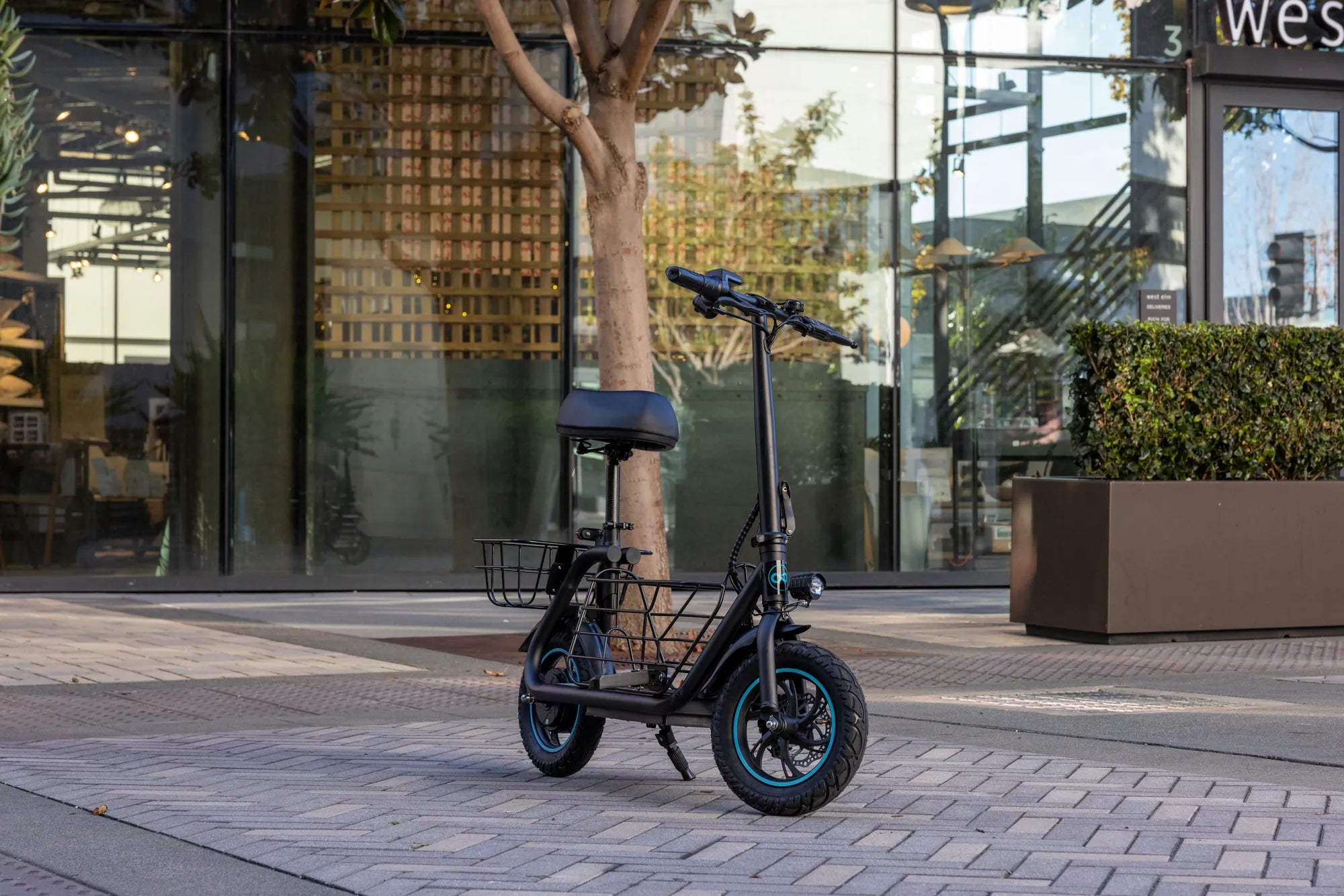
Introduction: The Need for Speed in Urban Mobility
The 250cc scooter represents a perfect balance in the two-wheeled world. It offers more power than entry-level models while maintaining the practicality and ease of use that define scooter riding. For commuters and enthusiasts alike, a primary question is: how fast does a 250cc scooter go?
This article provides a comprehensive, data-driven answer. We will explore the typical speed range, the engineering principles behind it, and the real-world factors that affect your ride. Understanding this performance envelope is key to determining if a 250cc scooter meets your needs for city commuting and occasional highway travel.
Beyond just a number, we'll examine what influences top speed, from aerodynamics to maintenance. We'll also compare this popular engine size to other options, including the rising category of high-performance electric scooters. By the end, you'll have a complete picture of 250cc scooter capabilities.
Understanding 250cc Scooter Performance: More Than Just Engine Size
Engine displacement, measured in cubic centimeters (cc), indicates the total volume of air and fuel an engine can ingest. A 250cc engine is substantial, but it's only one part of the performance equation. The actual top speed is a result of complex interactions between power, weight, gearing, and resistance.
Modern 250cc scooters are marvels of efficient engineering. Manufacturers balance components to deliver usable power for acceleration and a respectable top speed, all while prioritizing fuel economy and reliability. The engine's design—whether it's a single-cylinder, liquid-cooled, or air-cooled unit—directly impacts its power output and thermal management at sustained high speeds.
It's crucial to differentiate between maximum speed and real-world cruising speed. A scooter may reach a certain peak, but maintaining that speed for long periods can strain the engine. The design focus for many 250cc models is strong mid-range torque for city riding, with a sufficient top end for highway merging.
Power, Torque, and Gearing: The Performance Triad
Horsepower (HP) is the ultimate determinant of top speed potential. Most 250cc scooters produce between 15 to 25 horsepower. This power must overcome all resisting forces. Torque, measured in Newton-meters (Nm), defines the engine's rotational force and is critical for acceleration and hill-climbing.
The Continuously Variable Transmission (CVT) is standard on almost all modern scooters. This system automatically adjusts the gear ratio to keep the engine in its optimal power band. A well-tuned CVT ensures smooth acceleration from a stop and efficient power delivery at higher speeds, directly influencing where the top speed is achieved.
Final drive gearing also plays a role. Some scooters are geared shorter for quicker city acceleration, which may slightly lower the theoretical top speed. Others are geared taller for more relaxed high-speed cruising, potentially allowing the engine to reach a higher maximum if it has enough power to pull the gearing.
Aerodynamics and Rider Profile: The Wind Resistance Factor
As speed increases, aerodynamic drag becomes the primary enemy. Drag increases with the square of velocity, meaning doubling your speed requires four times the power to overcome air resistance. Scooter design significantly impacts this.
Models with full fairings, leg shields, and a windshell create a smoother airflow, reducing the drag coefficient. A naked or minimalist scooter design exposes the rider and frame to more turbulent air, creating a larger frontal area and higher resistance. This is a key reason why two otherwise identical-engined scooters can have different top speeds.
The rider is the largest part of the vehicle's profile. A rider sitting upright creates immense drag. Tucking in behind the windscreen can noticeably increase speed. Rider and passenger weight also affect the power-to-weight ratio, a fundamental metric for acceleration and the ability to reach peak velocity.
How Fast Does a 250cc Scooter Go? The Data-Driven Answer
So, what is the definitive answer to how fast does a 250cc scooter go? Based on manufacturer specifications, independent tests, and rider reports, the consistent range for modern 250cc scooters is 70 to 85 miles per hour (113 to 137 kilometers per hour).
Performance-oriented models, often with sport-tuned engines and better aerodynamics, can reach the upper end of this spectrum, sometimes touching 90 mph (145 km/h) under ideal conditions. More touring-focused or utilitarian models will typically top out near 75-80 mph (121-129 km/h). This speed is more than adequate for most highway systems where speed limits are 65-70 mph.
It's important to contextualize this speed. A 250cc scooter will not feel like a sportbike at 80 mph. The smaller wheels and lighter frame can be affected by crosswinds and road imperfections. However, the engine is not straining at its limit; it is operating within a sustainable performance range designed by engineers.
Real-World vs. Manufacturer Claims
Manufacturer top speed claims are usually derived from controlled test-track conditions. These tests use a professional rider, optimal weather (no wind, moderate temperature), a broken-in engine, and minimal fuel load. The results represent the vehicle's maximum potential in a perfect scenario.
Your real-world top speed will almost always be lower. Factors like a headwind, uphill grade, full cargo, lower tire pressure, or even a less aerodynamic riding position will reduce maximum velocity. A realistic expectation is to subtract 5-10 mph from the ideal figure to account for these everyday variables.
Rider skill also influences the ability to reach top speed. Understanding how to smoothly accelerate and minimize drag can help a seasoned rider get closer to the scooter's potential than a novice rider might.
Key Factors That Determine Your Scooter's Actual Top Speed
Knowing the advertised range is just the start. Your specific scooter's performance depends on several tangible factors. Awareness of these allows you to maintain optimal performance and set realistic expectations.
First is the state of tune. A brand-new scooter may not reach its full potential until after the engine is properly broken in, often after the first 600-1000 miles. During this period, components seat properly, and manufacturers may recommend avoiding sustained high RPMs.
Conversely, an older scooter with worn components will see degraded performance. Regular maintenance is not just about reliability; it's directly tied to preserving the power and speed you paid for.
Scooter Model and Brand Engineering
Different manufacturers prioritize different aspects of performance. Some brands engineer their 250cc platforms for low-end torque and fuel efficiency, slightly sacrificing top-end power. Others tune for a broader power band that delivers stronger high-RPM performance.
The chassis and bodywork design are equally important. A heavier, more comfortable scooter with ample storage may have a slightly lower top speed than a lighter, sportier model with the same engine, due to the increased weight and potentially less aerodynamic shape. Brand philosophy directly translates to on-road behavior.
Rider and Cargo Weight
This is simple physics. Every pound added to the scooter requires more power to accelerate and maintain speed. A single 180-pound rider will achieve a higher top speed than the same scooter carrying that rider plus a 150-pound passenger and luggage.
The power-to-weight ratio is critical. A scooter with 20 horsepower carrying 400 pounds has a significantly different performance profile than one carrying 300 pounds. For riders who frequently travel two-up or carry heavy loads, considering a larger displacement scooter or a high-wattage electric model may be wise for maintaining adequate performance margins.
Maintenance and Mechanical Health
Neglected maintenance is a primary cause of lost performance. Key items that directly affect top speed include:
- Tire Pressure: Under-inflated tires create excessive rolling resistance, sapping power and top speed.
- Drive Belt: A worn or glazed CVT drive belt can slip at high RPM, preventing power from reaching the wheel effectively.
- Air Filter: A clogged air filter restricts airflow to the engine, leaning out the fuel mixture and reducing power output.
- Engine Oil: Old, degraded oil increases internal friction and reduces engine efficiency.
- Spark Plug: A worn spark plug can cause incomplete combustion, leading to power loss.
A well-maintained 250cc scooter will consistently perform at its best. Adhering to the factory service schedule is an investment in preserving both the machine's value and its fun factor.
250cc Scooter vs. Other Options: Finding Your Fit
To understand where the 250cc scooter fits, it's helpful to compare it to common alternatives. This comparison highlights its role as a versatile middleweight capable of both city agility and confident highway travel.
The 250cc engine size sits in a strategic sweet spot. It offers a substantial power increase over 50cc-150cc models without the increased weight, cost, and complexity of larger 300cc-500cc maxi-scooters or motorcycles. For many riders, it represents the ideal compromise.
Comparison with 150cc and 300cc+ Scooters
The table below provides a clear, data-driven comparison of common scooter displacements:
| Displacement | Typical Top Speed | Primary Use Case | Highway Capability |
|---|---|---|---|
| 150cc | 50-65 mph (80-105 km/h) | City/Urban Commuting | Limited; short stints only |
| 250cc | 70-85 mph (113-137 km/h) | City + Confident Highway | Yes, fully capable |
| 300cc - 500cc | 85-100+ mph (137-161+ km/h) | Highway Touring / Two-Up Riding | Excellent, with power reserves |
As shown, the 250cc scooter bridges the gap. It escapes the limitations of a 150cc scooter on faster roads while being more manageable and often more fuel-efficient than a 300cc+ model. It answers the question of how fast does a 250cc scooter go with a resounding "fast enough for virtually all legal highway travel."
The Electric Alternative: Speed and Power in the EV Era
The electric vehicle revolution has reached two wheels. Performance in electric scooters and e-bikes is measured in watts (W) and voltage, rather than cubic centimeters. A powerful electric motor can deliver performance comparable to a 250cc engine.
For example, a robust 2000W electric scooter motor can produce acceleration and hill-climbing torque that matches or exceeds many 250cc gas models, with top speeds often in the 40-50 mph range for pure e-scooters, and certain high-performance e-bikes reaching higher speeds. The advantage is instant torque, silent operation, and drastically reduced maintenance—no oil, belts, or filters to change.
Leading brands in this space, like Gyroor, engineer their electric models for reliability and performance. Gyroor's electric scooters and e-bikes utilize UL-certified lithium-ion battery packs tested for over 500 charge cycles, ensuring safety and longevity. Their IPX5 water-resistant ratings mean they can handle wet roads, a crucial feature for commuters. For riders seeking a 250cc-equivalent experience with modern electric convenience, these models present a compelling, zero-emission alternative trusted by over 100,000 riders.
Safety and Legal Considerations at High Speeds
Riding at 70-85 mph demands respect and preparation. The increased speed reduces reaction time and amplifies the consequences of any incident. Responsible riding at these velocities is non-negotiable.
Beyond personal skill, you must ensure your scooter is in top mechanical condition. High speeds put extra stress on tires, brakes, and bearings. Pre-ride inspections become even more critical before embarking on highway journeys.
Gear Up: Essential Protective Equipment
Protective gear is your primary safety system. At highway speeds, even a minor fall can have severe consequences without proper protection. The minimum gear should include:
- Full-Face Helmet (DOT/ECE certified): Protects your head and face from impact and debris.
- Armored Jacket: With padding on shoulders, elbows, and back. Abrasion-resistant material like leather or Cordura is essential.
- Motorcycle Gloves: Protect hands in a slide and improve grip.
- Sturdy Footwear: Over-the-ankle boots protect ankles and provide support.
- Abrasion-Resistant Pants: Jeans offer minimal protection; dedicated riding pants are far superior.
Dressing for the slide, not just the ride, is a fundamental mindset for any rider planning to use their 250cc scooter's full performance envelope.
Licensing and Insurance Requirements
In virtually all U.S. states, Canada, the UK, EU nations, and Australia, a 250cc scooter is legally classified as a motorcycle. This means you cannot operate it with a standard car driver's license or a scooter/moped permit.
You are required to obtain a motorcycle license (often called an "M endorsement"). This process typically involves passing a written knowledge test and a practical riding skills test, either through a state agency or an approved Motorcycle Safety Foundation (MSF) course. The course is highly recommended for all new riders.
Insurance is also mandatory. Premiums for 250cc scooters are generally lower than for larger motorcycles but higher than for 50cc models. Be sure to obtain proper liability, collision, and comprehensive coverage. Failing to have the correct license or insurance can result in fines, license suspension, and denial of coverage in an accident.
Is a 250cc Scooter the Right Speed for You?
The 250cc scooter occupies a unique and highly practical niche. It delivers a proven answer to how fast does a 250cc scooter go—a confident 70-85 mph—which unlocks true highway usability. This makes it an ideal choice for commuters whose route mixes city streets with freeway stretches, or for riders seeking weekend versatility without the bulk of a maxi-scooter.
Its balance of power, weight, and efficiency is hard to beat. You get the storage, step-through convenience, and fuel economy of a scooter, combined with the peace of mind that you can merge and travel at highway speeds safely. The maintenance, while more involved than a 50cc, is straightforward and less costly than a larger motorcycle.
For those intrigued by electric mobility, high-performance electric scooters and e-bikes from innovators like Gyroor offer a modern parallel. They provide similar urban and suburban utility with thrilling acceleration, minimal maintenance, and the benefits of advanced battery technology and robust, water-resistant designs. Whether you choose traditional internal combustion or electric power, the performance class represented by the 250cc scooter remains one of the most sensible and enjoyable choices on the road.
Frequently Asked Questions (FAQ)
Q: Can a 250cc scooter safely ride on the highway?
A: Yes, absolutely. With a top speed comfortably exceeding 65-70 mph, a 250cc scooter is designed for highway use. It can maintain cruising speed with a margin for safe acceleration when needed, such as for passing slower vehicles. However, it may lack the deep power reserves of a larger motorcycle for high-speed passing maneuvers at 80+ mph.
Q: Is a motorcycle license required for a 250cc scooter?
A: In nearly all jurisdictions worldwide, yes. Its engine size classifies it as a motorcycle, not a moped or low-power scooter. You will need to obtain a full motorcycle license (M endorsement) by passing both written and on-bike skills tests.
Q: How does maintenance for a 250cc scooter compare to a smaller 50cc model?
A: It is more complex and costly, similar to a motorcycle. Unlike simple 2-stroke or small 4-stroke 50cc engines, a 250cc requires regular engine oil changes, oil filter replacements, valve clearance checks/adjustments, and more expensive tires and consumables. The payoff is significantly greater performance and durability.
Q: What is the typical fuel economy of a 250cc scooter?
A: They are exceptionally efficient. Most modern fuel-injected 250cc scooters achieve 60 to 80 miles per gallon (MPG), depending on riding style. This excellent fuel economy, combined with a typical 2-3 gallon tank, provides a very useful range of 120-200 miles between fill-ups.
Q: How does the acceleration of a 250cc scooter compare to a car?
A: A 250cc scooter will generally out-accelerate most standard economy cars from 0-30 mph and keep pace up to about 45-50 mph, thanks to its light weight and CVT tuning. Beyond that, the car's higher power will typically allow it to pull ahead. The scooter's advantage is in nimbleness and traffic filtering, not outright drag-race performance.
Q: Are there electric options with similar performance to a 250cc scooter?
A: Yes. High-performance electric scooters and e-bikes with motors in the 1500W-2000W+ range can offer comparable acceleration and hill-climbing ability. While top speeds for stand-on electric scooters may be lower, some electric mopeds and e-bikes are designed for sustained 45-55 mph travel. Brands like Gyroor specialize in robust electric models featuring UL-certified batteries and IP-rated water resistance, offering a modern, low-maintenance alternative with similar real-world utility for many riders.
Ready to explore your options for powerful and practical urban mobility? Whether you're considering a traditional 250cc scooter or a modern high-performance electric model, making an informed choice is key. Browse the full Gyroor collection at gyroorboard.com to discover electric scooters and e-bikes engineered for reliability, safety, and the thrill of the ride.
New Trike Near Me: Your Ultimate Guide to Finding the Perfect Three-Wheeled Ride
Average Bike Ride Speed: The Complete Data-Driven Guide