



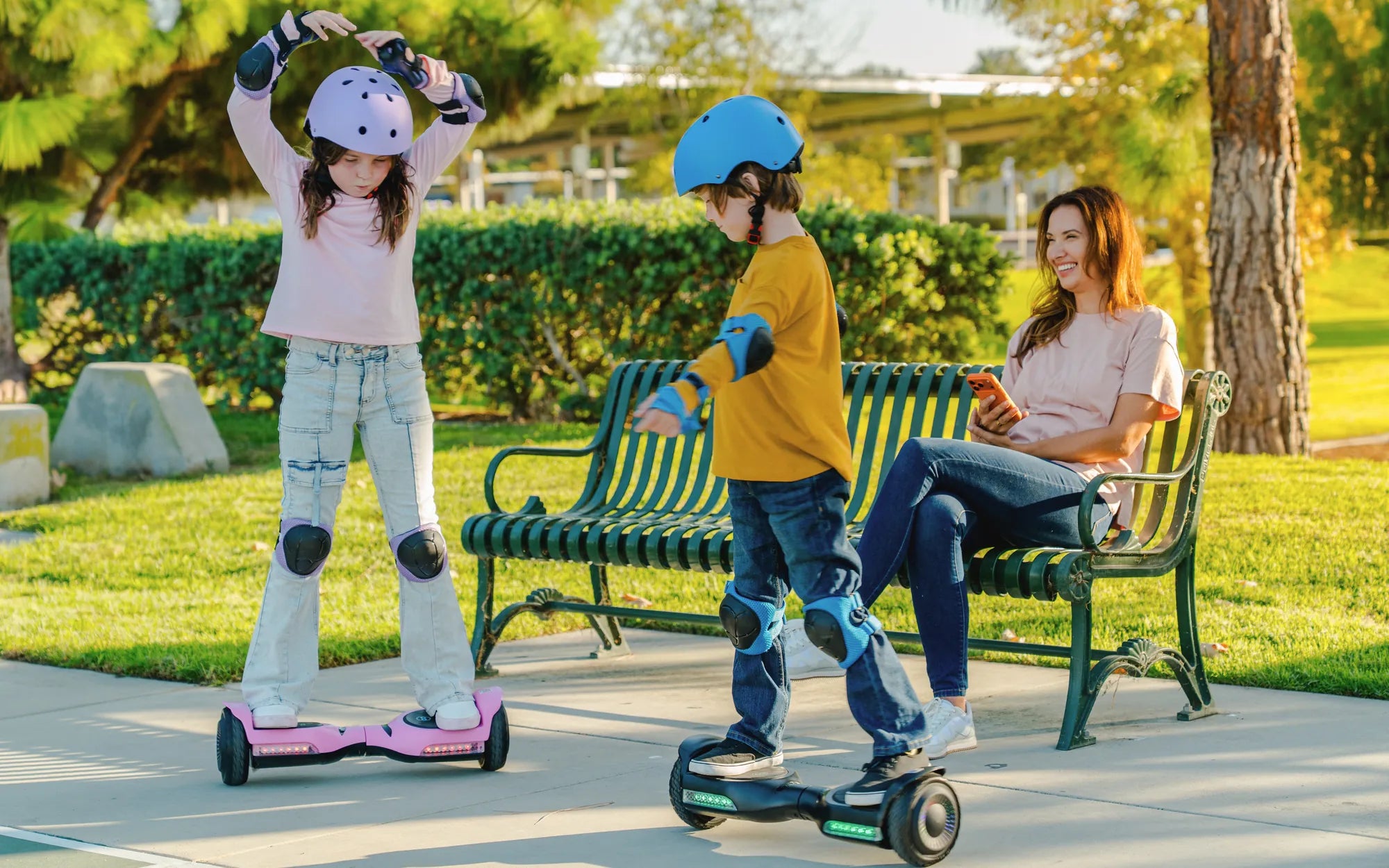
Ever wondered just how fast a one-wheel hoverboard can go? These futuristic personal transporters have taken the world by storm, offering a unique blend of fun and functionality. But speed is often the first question on every potential rider's mind. Let's dive into the thrilling world of one-wheel hoverboards and uncover what makes them tick.
Understanding One-Wheel Hoverboard Speeds
One-wheel hoverboards typically reach speeds between 10 to 20 miles per hour (16 to 32 kilometers per hour). The exact top speed depends on several factors including the model's specifications, rider weight, terrain, and battery condition. Most standard models cap at around 15 mph for safety reasons, while performance-oriented versions can push closer to 20 mph.
Factors That Affect Hoverboard Speed
Motor Power and Battery Capacity
The heart of any hoverboard is its motor. More powerful motors (typically 500W to 1000W) can achieve higher speeds and better handle inclines. Battery capacity also plays a crucial role - a fully charged lithium-ion battery delivers optimal performance, while a depleted one will gradually reduce speed.
Rider Weight and Terrain
Heavier riders may experience slightly reduced top speeds as the motor works harder to maintain balance and momentum. Similarly, rough or inclined surfaces can decrease speed compared to smooth, flat pavement where hoverboards perform best.
Temperature and Weather Conditions
Cold weather can temporarily reduce battery efficiency, potentially lowering top speeds. Wet conditions are not just dangerous for riding but can also trigger safety mechanisms that limit speed to prevent accidents.
Safety Considerations at High Speeds
While reaching top speeds can be exhilarating, it's crucial to prioritize safety. Most one-wheel hoverboards feature built-in speed governors and tilt-back mechanisms that warn riders when approaching maximum speed. Always wear proper safety gear including a helmet, knee pads, and wrist guards, especially when pushing speed limits.
Comparing One-Wheel to Traditional Hoverboards
Single-wheel models often offer higher top speeds than their two-wheeled counterparts due to their streamlined design and more powerful motors. However, they generally require more skill to operate safely at higher velocities. The learning curve is steeper, but many riders find the increased speed capability worth the extra practice.
Tips for Maximizing Your Hoverboard's Speed
- Maintain proper tire pressure for optimal performance
- Keep your battery fully charged before rides
- Choose smooth, paved surfaces for maximum speed
- Practice proper riding posture to improve balance at higher speeds
- Regularly check for firmware updates that might improve performance
The Future of One-Wheel Hoverboard Speeds
As technology advances, we're seeing continuous improvements in motor efficiency, battery life, and safety systems. Future models may push speed boundaries even further while maintaining or improving stability. Some prototypes already demonstrate capabilities beyond current consumer models, hinting at an exciting future for personal electric transportation.
Ready to experience the thrill of a one-wheel hoverboard at full speed? Remember that with great speed comes great responsibility - master the basics first, gear up properly, and always respect your limits. The open pavement awaits your next high-speed adventure!
Hoverboard Only Turns On When Charging: Causes and Solutions
Smart Balance Wheel Hoverboard Battery: The Ultimate Guide to Performance and Safety