

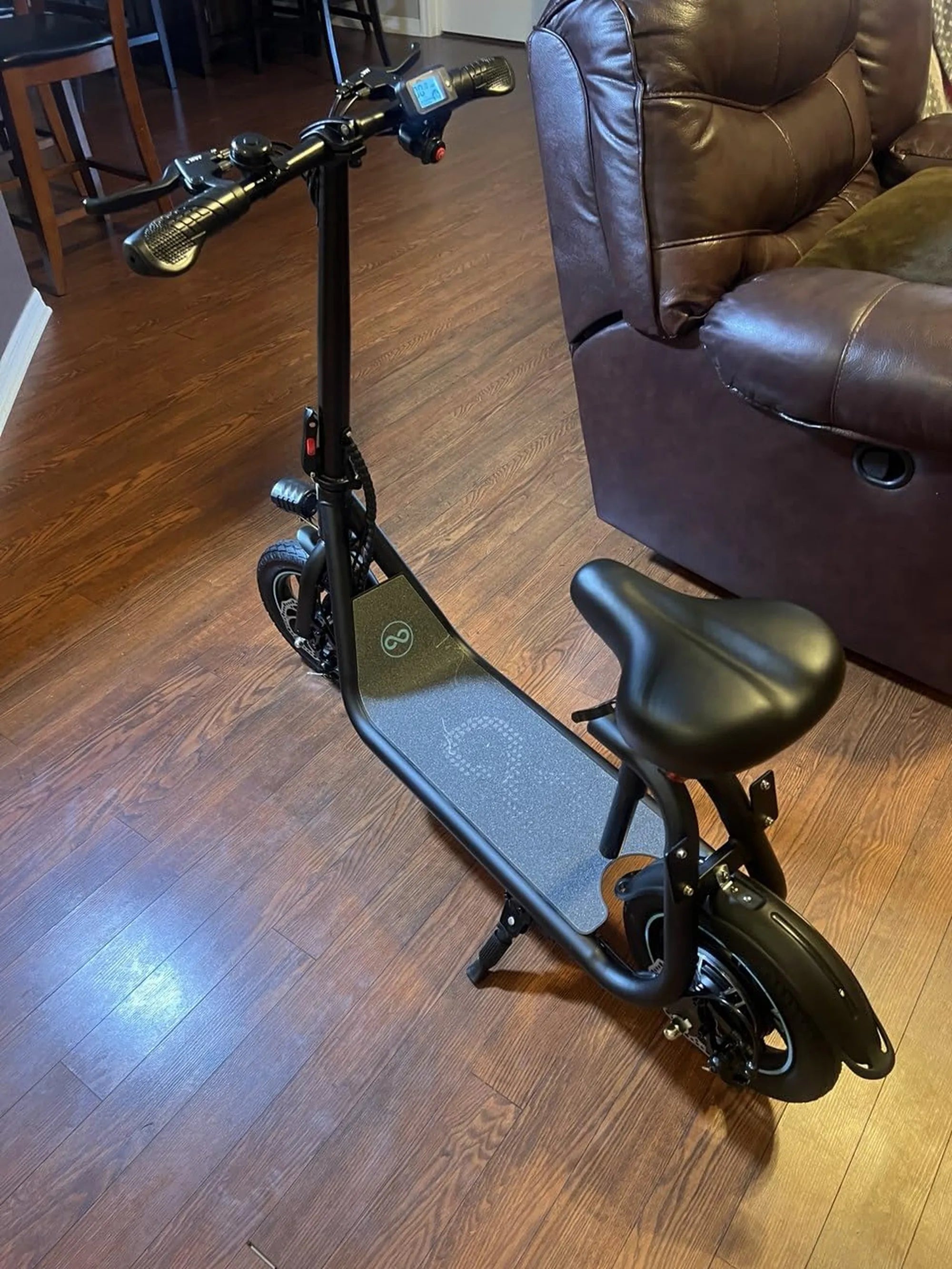
Electric scooters have become a popular mode of urban transportation, offering a convenient and eco-friendly way to navigate busy streets. But one question often stands out: how fast does an electric scooter travel? The answer isn’t as straightforward as you might think, as speed depends on several factors, including motor power, battery life, terrain, and even local regulations. Whether you’re a daily commuter or a casual rider, understanding these variables can help you choose the right scooter for your needs.
Factors That Determine Electric Scooter Speed
The top speed of an electric scooter is influenced by multiple elements, each playing a crucial role in performance. Here’s a breakdown of the key factors:
Motor Power and Type
The motor is the heart of an electric scooter, dictating how fast it can go. Most scooters come with either a single or dual motor setup, with power measured in watts (W). A higher wattage generally means greater speed and acceleration. For example, a 250W motor might top out at around 15-20 mph, while a 1000W motor can reach speeds of 30 mph or more.
Battery Capacity and Voltage
Battery performance directly impacts speed and range. A higher voltage battery (e.g., 48V vs. 36V) can deliver more power to the motor, enabling faster speeds. However, battery life diminishes as speed increases, so riders must balance speed with range.
Weight and Load Capacity
The rider’s weight and any additional cargo affect acceleration and top speed. Heavier loads require more power, which can reduce the scooter’s maximum speed. Manufacturers often specify a weight limit, and exceeding it may slow the scooter down.
Terrain and Riding Conditions
Flat, smooth surfaces allow for optimal speed, while uphill climbs or rough terrain can significantly reduce it. Tire type (pneumatic vs. solid) also plays a role in handling different surfaces.
Legal Speed Limits for Electric Scooters
Speed isn’t just about performance—it’s also regulated by law. Many cities impose speed limits on electric scooters, often capping them at 15-20 mph in public areas. Some regions require speed limiters to ensure compliance. Always check local regulations to avoid fines or restrictions.
Safety Considerations at High Speeds
While speed can be thrilling, it also increases the risk of accidents. Here’s how to stay safe:
- Wear protective gear: Helmets, knee pads, and gloves are essential, especially at higher speeds.
- Braking distance: Faster scooters need more time to stop. Ensure your scooter has reliable brakes (disc or regenerative).
- Visibility: Use lights and reflective gear when riding at night or in low-light conditions.
Balancing Speed with Efficiency
Riding at top speed drains the battery faster, reducing your scooter’s range. If you prioritize distance over speed, consider riding at a moderate pace. Many scooters offer multiple speed modes, allowing you to switch between efficiency and performance.
Upgrading for More Speed
Some riders modify their scooters for extra speed, but this can void warranties and compromise safety. Upgrades like high-capacity batteries or more powerful motors may help, but always consult a professional before making changes.
So, how fast does an electric scooter travel? The answer depends on your scooter’s specs, your riding habits, and local laws. Whether you’re zipping through city streets or cruising at a leisurely pace, understanding these factors ensures a smoother, safer ride. Ready to hit the road? Choose wisely, ride safely, and enjoy the thrill of electric mobility!
Mountain Biking Missoula: Trails, Tips, and Unforgettable Adventures
Mountain Biking Missoula: Trails, Tips, and Unforgettable Adventures