

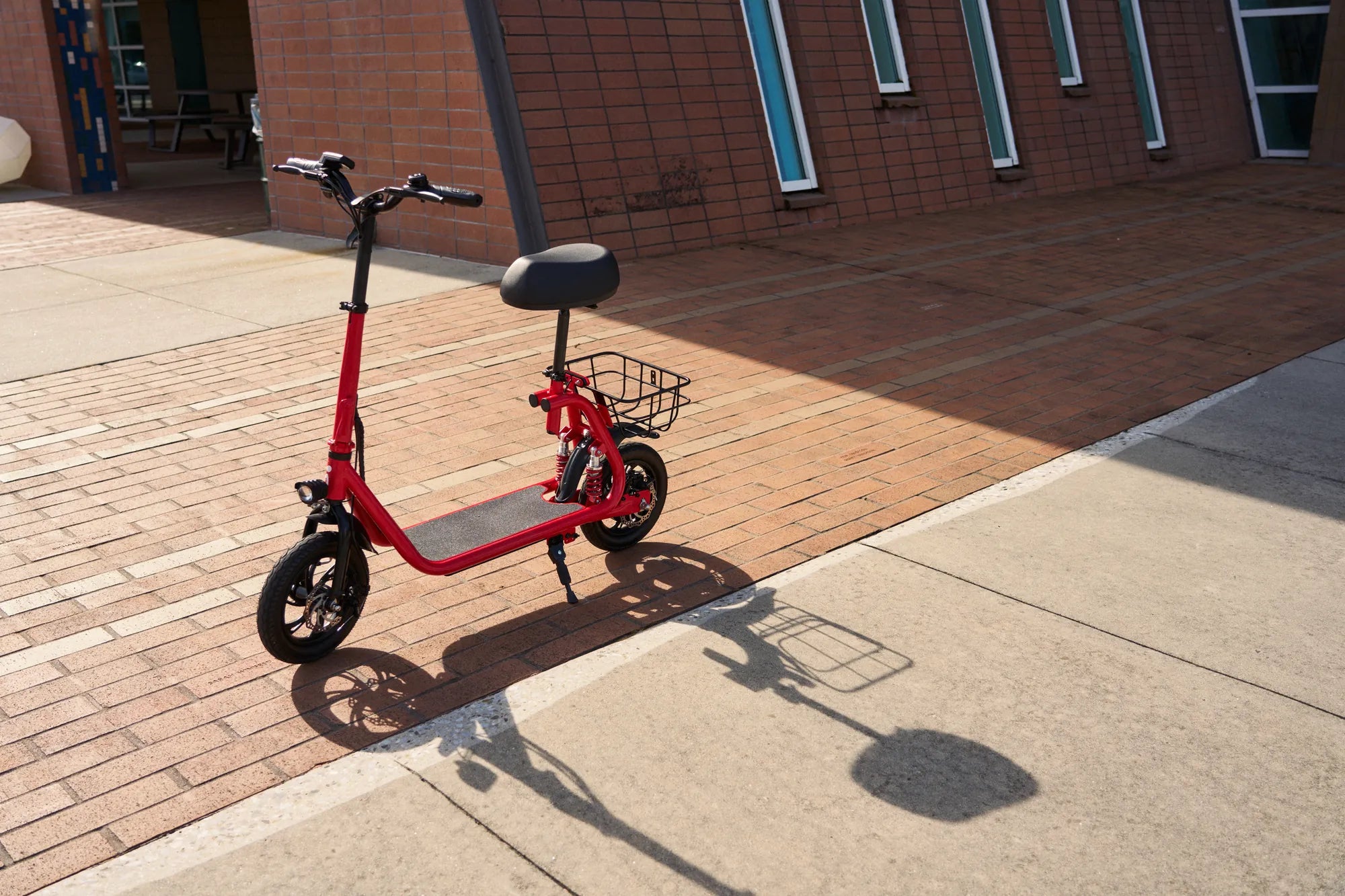
Ever wondered how far you can go on a single charge with your electric bike? Whether you're commuting, exploring trails, or just enjoying a leisurely ride, understanding the range of your e-bike is crucial. Let's dive into the factors that influence how long you can ride an electric bike and how you can get the most out of every charge.
Battery Capacity: The Heart of Your E-Bike's Range
The battery is the most critical component when it comes to determining how long you can ride an electric bike. Measured in watt-hours (Wh), battery capacity indicates how much energy it can store. A higher Wh rating generally means a longer range, but other factors come into play as well.
Voltage and Amp-Hours
Batteries are rated by voltage (V) and amp-hours (Ah). Multiply these two numbers to get the watt-hour rating. For example, a 36V battery with 10Ah capacity provides 360Wh. Higher voltage systems often deliver more power efficiently, while higher amp-hours extend the range.
Motor Efficiency: Power vs. Consumption
The motor's efficiency significantly impacts how long your electric bike can last on a single charge. Hub motors and mid-drive motors differ in their power consumption:
- Hub motors are simpler but may consume more energy on hills.
- Mid-drive motors leverage the bike's gears, making them more efficient on varied terrain.
Rider Input: Pedal Assist vs. Throttle
How you ride affects your e-bike's range dramatically:
- Pedal-assist modes extend battery life by combining human power with motor assistance.
- Throttle-only riding drains the battery faster since the motor does all the work.
Using lower assist levels on flat terrain and reserving higher power for hills can significantly increase your riding time.
Terrain and Riding Conditions
Where you ride plays a huge role in how long your electric bike will last:
- Flat urban roads allow for maximum range with minimal battery drain.
- Hilly terrain requires more power, reducing overall distance per charge.
- Off-road trails with rough surfaces demand more energy due to increased resistance.
Weight Matters: Rider and Cargo Load
Heavier loads require more energy to move. This includes:
- The rider's weight
- Any cargo or accessories
- The bike's own weight
Every extra pound means the motor has to work harder, reducing your potential range.
Tire Pressure and Type
Properly inflated tires with low rolling resistance can improve your e-bike's range by 10-15%. Consider:
- Maintaining optimal tire pressure
- Choosing smoother tires for pavement
- Using appropriate tread patterns for off-road conditions
Weather Conditions
Extreme temperatures affect battery performance:
- Cold weather reduces battery capacity temporarily.
- Hot weather can cause batteries to degrade faster over time.
- Headwinds increase resistance, requiring more power to maintain speed.
Average Range Expectations
While actual range varies based on all the factors mentioned, here are general estimates:
| Battery Size | Average Range | Maximum Range |
|---|---|---|
| 250Wh | 15-30 miles | 40 miles (ideal conditions) |
| 500Wh | 30-60 miles | 80 miles (ideal conditions) |
| 750Wh+ | 50-100 miles | 120 miles (ideal conditions) |
Extending Your E-Bike's Range
Want to ride longer? Try these tips:
- Use lower assist levels when possible
- Maintain proper tire pressure
- Pedal more and use throttle less
- Plan routes with fewer hills when range is critical
- Keep your battery properly charged and stored
Battery Maintenance for Longevity
Proper care extends both your daily range and overall battery life:
- Avoid complete discharges - recharge when battery reaches 20-30%
- Store batteries at about 50% charge if not using for extended periods
- Keep batteries at moderate temperatures
Ready to push your electric bike's limits? With the right knowledge and habits, you can maximize every charge and enjoy longer, more fulfilling rides. The open road (or trail) awaits - how far will you go today?
Hyper 700c Electric Bike: The Ultimate Guide to Performance and Efficiency
Are Electric Bikes Illegal? Understanding the Laws and Regulations