

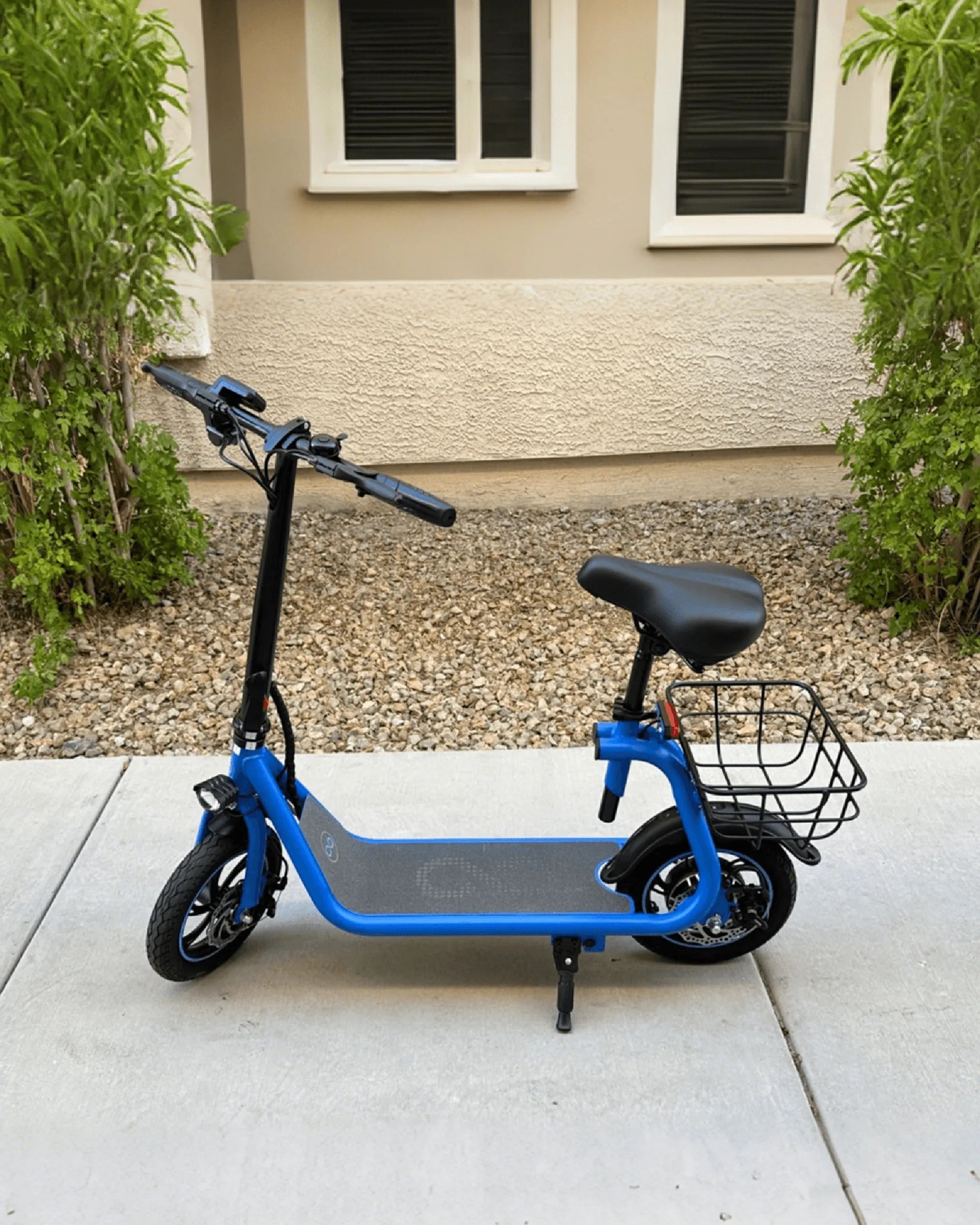
Electric road bikes have revolutionized cycling, offering speed, efficiency, and a boost when you need it most. But one question lingers in the minds of riders: how long does the battery typically last on an electric road bike? The answer isn't straightforward, as battery life depends on multiple variables. Whether you're a daily commuter or a weekend adventurer, understanding these factors can help you get the most out of your e-bike.
Factors Affecting Electric Road Bike Battery Life
The lifespan of an electric road bike battery varies widely based on several key factors:
- Battery Capacity: Measured in watt-hours (Wh), higher-capacity batteries generally last longer per charge.
- Rider Weight and Cargo: Heavier loads require more power, draining the battery faster.
- Assistance Level: Using higher pedal-assist modes consumes more energy.
- Terrain: Hills and rough terrain demand more power than flat, smooth roads.
- Riding Speed: Faster speeds increase energy consumption.
- Weather Conditions: Cold temperatures can reduce battery efficiency.
- Tire Pressure: Underinflated tires create more rolling resistance, using more battery.
Average Battery Life Expectations
On average, most electric road bike batteries last between 20 to 100 miles on a single charge, depending on the factors mentioned above. Entry-level e-bikes with smaller batteries might offer 20-40 miles, while high-performance models with large batteries can exceed 80 miles under optimal conditions.
For riders who primarily use lower assistance levels on flat terrain, battery life tends to be on the higher end of this range. Conversely, those who frequently ride in hilly areas or use maximum assistance may find their battery depleting much faster.
How to Maximize Your Electric Road Bike Battery Life
Want to extend your rides between charges? Follow these practical tips:
- Use lower assistance levels when possible, reserving higher power for hills or when you're tired.
- Maintain proper tire pressure to reduce rolling resistance.
- Shift gears efficiently to keep your pedaling cadence steady and reduce strain on the motor.
- Charge your battery properly - avoid letting it fully discharge and don't leave it plugged in for days.
- Store your battery in moderate temperatures, especially in extreme cold or heat.
- Keep your chain lubricated and drivetrain clean for smoother pedaling efficiency.
Understanding Battery Degradation Over Time
Like all rechargeable batteries, e-bike batteries gradually lose capacity over time. Most quality batteries retain about 70-80% of their original capacity after 500 full charge cycles, which typically translates to 2-5 years of regular use depending on how often you charge.
To prolong your battery's overall lifespan:
- Avoid exposing the battery to extreme temperatures for extended periods
- Store with a partial charge (about 40-60%) if not using for weeks
- Use the manufacturer's recommended charger
- Don't charge immediately after a ride if the battery is very hot
Planning Longer Rides With Your Electric Road Bike
For those considering extended tours or long-distance commuting, battery range becomes crucial. Here are some strategies for longer rides:
- Carry a spare battery if your e-bike model allows for quick swaps
- Plan your route to include charging stops at cafes or public stations
- Learn to pedal efficiently to conserve battery when possible
- Invest in a range-extender if available for your bike model
Remember that your riding style has the biggest impact on battery life. Two riders with identical bikes can get dramatically different ranges based on how they use the assistance system and approach their rides.
Electric road bikes open up new possibilities for cyclists of all levels, but understanding battery limitations ensures you'll never be left pushing your bike home. With smart riding habits and proper maintenance, you can consistently get the most miles from every charge and enjoy the freedom of electric-assisted cycling to its fullest.
Can You Have an Electric Bike on Mackinac Island? Exploring the Rules and Alternatives
Kids Electric Mountain Bike 24 Inch: The Ultimate Guide for Young Adventurers