


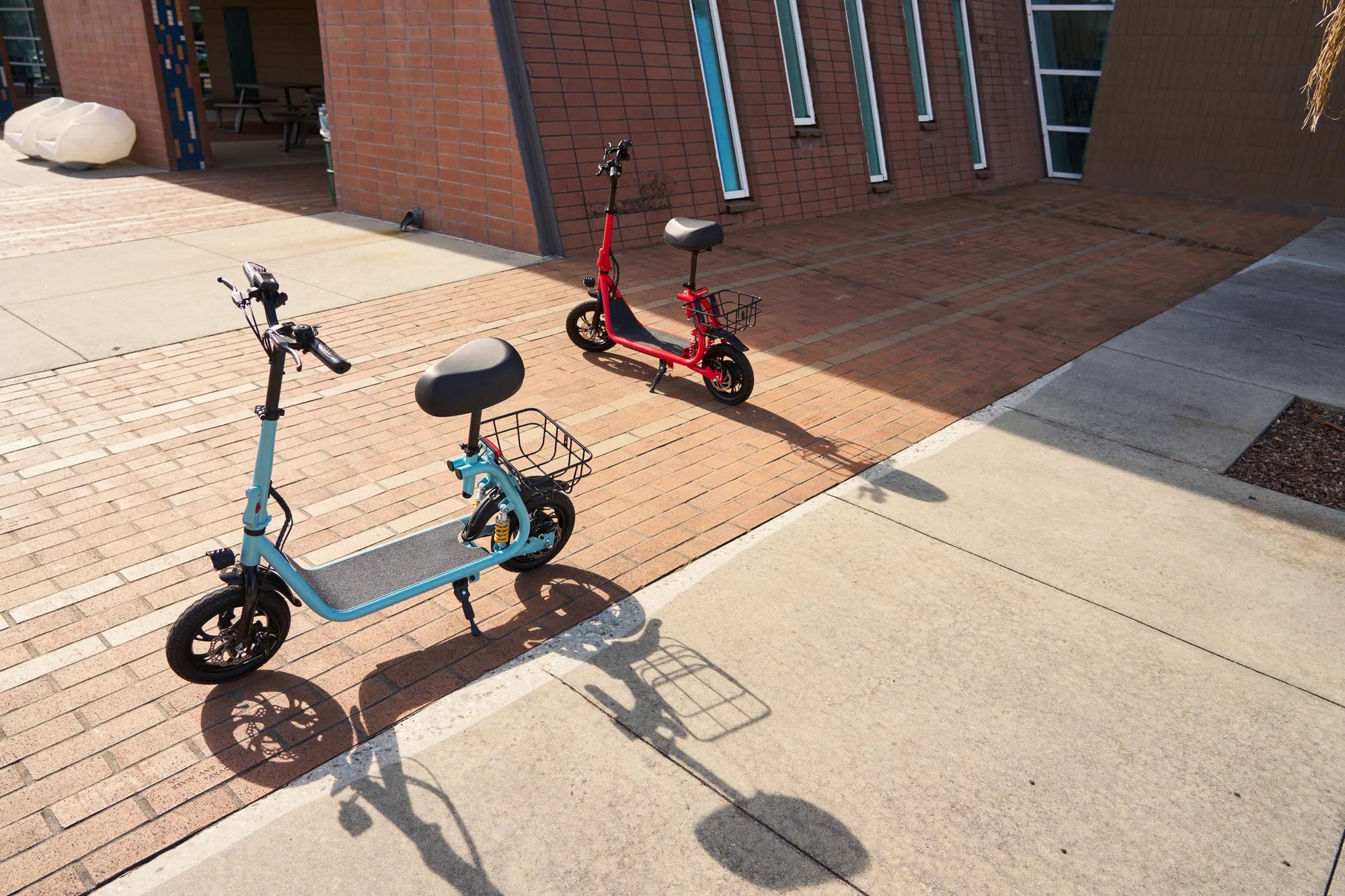
Introduction to Electric Scooter Range
How many miles can a scooter go? This is the fundamental question every potential rider asks, and the answer is rarely a simple number. Electric scooter range refers to the estimated distance a fully charged scooter can travel under specific test conditions. However, real-world mileage varies dramatically based on a host of factors you control. Understanding these variables is key to choosing the right scooter and avoiding being stranded with a dead battery.
This guide moves beyond manufacturer spec sheets to provide a data-driven, realistic look at scooter endurance. We'll dissect the engineering and environmental elements that drain your battery, from the weight you carry to the hills you climb. You'll learn not just what to expect, but how to consistently achieve the maximum possible range from your ride.
Whether you're a daily commuter or a weekend explorer, knowing your scooter's true capabilities is essential for planning safe and efficient trips. The journey to understanding range starts with recognizing it as a flexible performance metric, not a fixed guarantee.
Key Factors That Determine Your Scooter's Mileage
The advertised range on a scooter's box is typically a best-case scenario, often achieved in a lab with a lightweight rider on a flat, smooth surface at low speed. In the real world, your mileage is dictated by a complex interplay of hardware, environment, and riding behavior. Ignoring these factors is the fastest way to overestimate your scooter's capabilities.
At its core, range is a measure of energy consumption. Your scooter's battery stores a finite amount of electrical energy, measured in Watt-hours (Wh). The motor, electronics, and even the resistance from your tires constantly draw from this reserve. How quickly that reserve depletes determines your final distance.
Think of it like a car's fuel economy. Just as aggressive driving and heavy loads lower your MPG, certain scooter usage patterns drastically reduce miles per charge. The following sections break down the primary energy consumers, giving you the knowledge to diagnose and improve your own range performance.
Battery Capacity and Health
The battery is your scooter's fuel tank. Its capacity, measured in Watt-hours (Wh) or Amp-hours (Ah) at a given voltage, is the single most important hardware factor for range. A higher Wh rating generally means a larger energy reserve and, consequently, more potential miles. For example, a commuter scooter with a 360Wh battery will typically outlast one with a 250Wh battery under identical conditions.
Battery health is equally critical. Lithium-ion batteries degrade over time and with each charge cycle. A UL-certified battery pack, like those used in Gyroor scooters, is engineered for longevity and safety, often rated for 500+ full charge cycles while maintaining over 80% of original capacity. Proper care, such as avoiding complete discharges and extreme temperatures, is essential to preserve this health and your range year after year.
Using a damaged, aging, or non-certified battery not only slashes your available range but also poses significant safety risks. Investing in a scooter with a quality, certified battery from a reputable brand is the first step toward reliable, predictable mileage.
Rider Weight and Terrain
Physics plays a major role. The scooter's motor must work harder to accelerate and maintain the speed of a heavier load. Every extra pound of rider weight, backpack, or cargo increases the energy demand. A 250-pound rider will experience a notably shorter range than a 150-pound rider on the same scooter, especially during starts and climbs.
Terrain is arguably the largest range variable after the battery itself. Riding on flat, smooth pavement is highly efficient. In contrast, climbing hills requires the motor to output significantly more power, draining the battery at a much faster rate. A route with frequent inclines can easily cut your expected range by 30-40%.
Off-road conditions like grass, gravel, or dirt introduce even greater rolling resistance. The motor struggles to maintain traction and speed, leading to high energy consumption. If your daily route involves hills or mixed terrain, you must account for this when calculating if a scooter's range meets your needs.
Riding Speed and Mode
Speed has a non-linear relationship with range. Due to increased aerodynamic drag and higher power output, riding at top speed continuously can consume battery power at double or triple the rate of a moderate, steady pace. Most scooters offer multiple riding modes (e.g., Eco, Standard, Sport).
Eco mode limits top speed and acceleration, prioritizing efficiency for maximum range. Sport mode unlocks full performance but trades it for rapid battery depletion. Using Sport mode for an entire journey can reduce your total range by up to 50% compared to Eco mode. The most efficient strategy is to use higher modes only when necessary, such as for merging into traffic or climbing a short hill.
Smooth acceleration and braking also conserve energy. Jackrabbit starts from every stop sign force the motor to draw a high current spike, which is wasteful. A gentle, gradual start preserves battery life. Similarly, regenerative braking, a feature on some models, can recapture a small amount of energy during deceleration.
Tire Pressure and Road Conditions
Often overlooked, tire pressure is a simple yet powerful range lever. Under-inflated tires create excessive rolling resistance because more of the tire's surface area drags against the ground. This forces the motor to work harder just to keep the scooter moving, silently sapping your range.
Maintaining tires at the manufacturer's recommended PSI (found on the tire sidewall) minimizes this resistance. Check your tire pressure every few weeks, especially with air-filled (pneumatic) tires, which naturally lose pressure over time. This one habit can improve efficiency by 5-10%.
Road surface quality matters too. New, smooth asphalt offers the least resistance. Cracked pavement, cobblestones, or wet surfaces increase drag and can slightly reduce efficiency. Planning your route on well-maintained roads can contribute to a longer, more comfortable ride with less battery strain.
Realistic Range Expectations: A Data-Driven Look
Given the factors above, what can you actually expect? The table below provides realistic range estimates for three common scooter classes under mixed real-world conditions (average rider weight, some hills, variable speeds), contrasted with ideal lab-test conditions.
| Scooter Class | Typical Battery (Wh) | Ideal/Lab Range (Miles) | Real-World Range (Miles) | Primary Use Case |
|---|---|---|---|---|
| Lightweight Commuter | 250-360 Wh | 15-25 | 9-18 | Short urban trips, last-mile transit |
| Performance Commuter | 500-700 Wh | 30-45 | 20-35 | Daily city commuting, longer errands |
| High-Performance/Off-Road | 800+ Wh | 40-60+ | 25-45+ | Long-distance, hilly terrain, off-road trails |
As shown, the real-world range is consistently 25-40% lower than the ideal maximum. A scooter advertised for a 40-mile range will more reliably deliver 25-30 miles for a typical rider. This buffer is crucial for planning. If your daily commute is 15 miles round-trip, a scooter with a 20-mile real-world range leaves you with a precarious safety margin.
Brands that use high-quality, UL-certified cells and accurate testing methodologies tend to have smaller gaps between advertised and real-world performance. For instance, Gyroor's range estimates for models like the Gyroor C1 are based on rigorous testing protocols that account for variable factors, providing riders with a more trustworthy benchmark.
Remember, these are averages. A lightweight rider on flat bike paths using Eco mode may achieve near-ideal numbers. A heavier rider tackling San Francisco's hills in Sport mode will see results at the very bottom of the real-world estimate.
Maximizing Your Electric Scooter's Range: Practical Tips
You have significant control over your scooter's efficiency. By adopting the following practices, you can consistently squeeze more miles from every charge, enhance battery longevity, and increase your riding confidence.
Pre-Ride Preparation
A few minutes of preparation can pay off in extra miles. First, always check and adjust tire pressure to the recommended PSI before a long ride. Inspect tires for wear or embedded debris that could cause drag or a puncture. Ensure your battery is fully charged using the manufacturer's provided charger.
Plan your route strategically. Use mapping apps to find the flattest, smoothest path to your destination, even if it's slightly longer. Avoiding a single steep hill can save more battery than an extra half-mile on flat ground. Also, check the weather; riding in strong headwinds significantly increases energy consumption.
Travel light. Empty your scooter's storage or backpack of non-essentials. Every pound you remove reduces the energy required for acceleration. These simple checks become habitual and form the foundation for efficient riding.
Efficient Riding Techniques
Your right hand controls the throttle and your range. Master smooth, gradual acceleration instead of punching it to top speed from a stop. Whenever possible, use a gentle kick-start to get moving before engaging the motor—this saves the high-current draw required for a standing start.
Embrace Eco mode for cruising. Once you've reached a comfortable speed on a clear path, switching to a lower power mode can maintain it while sipping battery. Use higher modes sparingly. Anticipate stops to employ regenerative braking (if available) or simply coast to a stop, rather than relying solely on mechanical brakes at the last second.
Maintain a steady, moderate pace. While it's tempting to use the scooter's full speed, cruising at 70-80% of its top speed often provides the best balance of travel time and energy efficiency. This technique alone can extend your range dramatically.
Scooter Maintenance for Longevity
Regular maintenance preserves peak efficiency. Keep moving parts like wheel bearings and the folding mechanism clean and lubricated to prevent friction-related drag. Ensure brakes are properly adjusted; dragging brake pads create constant resistance that wastes battery.
Battery care is paramount for long-term range. Store your scooter in a cool, dry place, avoiding temperature extremes. For long-term storage, keep the battery charge between 40-60%. Follow the manufacturer's charging guidelines—using a non-certified charger can damage the battery management system and reduce capacity.
Adhering to the recommended maintenance schedule and leveraging the manufacturer's warranty, like Gyroor's reliable 1-year comprehensive warranty, protects your investment. A well-maintained scooter with a healthy battery will deliver consistent, predictable range season after season.
Electric Scooter Range FAQ
Q: How is electric scooter range tested or advertised?
A: Most brands use a standardized test like the EN 17128 standard, which involves a 165 lb (75 kg) rider on a flat track at a constant moderate speed (often ~12 mph). This creates an ideal, repeatable benchmark but doesn't reflect hills, wind, or real-world stop-and-go traffic.
Q: Can I increase my scooter's range with a bigger battery?
A> Sometimes, but it's not universally simple. It depends on if the manufacturer offers a compatible, higher-capacity battery pack and if the scooter's motor controller and frame can accommodate it. Swapping in a non-certified or incompatible battery is dangerous and can void your warranty.
Q: How does cold weather affect my scooter's range?
A> Cold temperatures (below 50°F/10°C) significantly reduce lithium-ion battery performance and can cut range by 20-30%. The chemical reactions inside the battery slow down, providing less available power. Always store and charge your scooter indoors in cold weather, and allow the battery to warm up before a ride.
Q: What does "UL-certified" mean for a battery, and why does it matter for range?
A> UL certification means the battery pack has been independently tested by Underwriters Laboratories for safety hazards like electrical fire, shock, and overheating. For range, it matters because certified batteries use higher-quality cells with more consistent performance and longevity. They are less likely to experience rapid capacity fade, meaning your scooter's range remains more stable over hundreds of charges.
Q: I only use my scooter for short trips. How should I charge it?
A> For frequent short trips, it's fine to recharge after each use. Avoid letting the battery sit completely drained for extended periods. For battery health, it's actually better to keep it between 20% and 80% charge for daily use, with a full 100% charge only before a planned long journey.
Comparing Scooter Types for Different Needs
Choosing a scooter based on your specific range needs prevents disappointment. A lightweight, portable scooter is perfect for a multi-modal commute (e.g., scooter to train) where you only need 3-5 reliable miles. Its smaller battery keeps the weight down, even if it lacks the range for a full cross-town trip.
For the dedicated urban commuter traveling 10-20 miles daily, a performance commuter model is essential. Look for features like a 500Wh+ battery, IPX5 water resistance for all-weather capability, and dual suspension for comfort over longer distances. These scooters are built for daily, real-world use.
Adventure riders or those with very hilly routes should prioritize high-performance or off-road models. These feature large batteries (800Wh+), powerful dual motors for climbing, and rugged tires. While heavier, they offer the energy reserve and torque necessary to tackle challenging terrain without constant range anxiety. Matching the scooter's capability to your most demanding regular route is the key to satisfaction.
The Role of Brand and Build Quality in Range Reliability
Not all scooters are created equal, and this is starkly evident in range consistency. Brands that invest in quality components and rigorous testing deliver scooters that come closer to their advertised numbers in real life. The use of UL-certified battery packs with name-brand cells ensures stable voltage output and slower degradation.
Build quality affects efficiency in subtle ways. A well-sealed, IPX5 water-resistant design like those from Gyroor protects internal electronics from moisture and dust, preventing corrosion that can lead to power loss. Precision engineering in the motor and drivetrain reduces internal friction, translating more battery energy into forward motion instead of waste heat.
A strong warranty and customer support are indirect range indicators. A brand that stands behind its product for a year or more is confident in the durability and performance of its battery and motor systems. This reliability means your calculated range today is likely to be similar a year from now, which is crucial for daily planning.
Conclusion: Finding the Right Range for Your Needs
Determining how many miles a scooter can go is a personalized calculation. Start by honestly assessing your typical ride: total distance, elevation changes, your weight, and desired speed. Then, look for a scooter whose *real-world* range estimate (advertised range minus a 25-35% buffer) comfortably exceeds that distance. This provides a crucial safety margin for unexpected detours, headwinds, or battery aging.
Prioritize scooters built with quality, certified components from trusted brands. A reliable scooter with a slightly lower advertised range is always a better choice than an unreliable one with an inflated number. Your daily commute depends on predictability and safety.
Ready to find an electric scooter with the honest range and robust build quality to match your lifestyle? Explore engineering you can trust. Browse the full Gyroor collection of UL-certified, performance-tested electric scooters and e-bikes at gyroorboard.com.
How to Tell if Scooter Battery is Bad: A Complete Diagnostic Guide
Most Compact Scooter: The Ultimate Guide to Ultra-Portable Urban Mobility