



Electric scooter speed isn't a single number; it's a spectrum defined by engineering, regulation, and rider choice. Understanding how many MPH electric scooters go is the first step to selecting a model that matches your commute, complies with local laws, and keeps you safe. This guide breaks down speed classes, the mechanics behind top speed, essential safety protocols, and how performance features like range and braking create a balanced riding experience. You'll learn to interpret specifications, set realistic expectations, and ride confidently.
How Fast Can Electric Scooters Go? Understanding Speed Classes
Electric scooter speeds are broadly categorized into three classes: entry-level, commuter, and performance. These classes correlate with motor power, intended use, and often, local legal frameworks. The advertised top speed is typically a best-case scenario achieved under ideal conditions: a lightweight rider on a smooth, flat surface with a full battery.
Entry-level scooters, often designed for last-mile trips or casual recreation, generally have top speeds between 10 to 15 mph. They are powered by motors typically ranging from 250W to 350W. Commuter-class scooters, built for daily urban travel, usually target speeds of 15 to 25 mph. This range aligns with many city bike lane speed expectations and is powered by motors from 350W to 500W.
Performance or high-speed scooters push beyond 25 mph, with some models capable of 28 mph, 30 mph, or even 40+ mph. These require more robust motors (often 500W to 1000W or dual motors), higher-voltage battery systems, and enhanced frames and brakes. It's critical to note that real-world speed is almost always lower than the advertised maximum due to variables like rider weight, hills, wind, and tire pressure.
Key Factors That Determine Your Scooter's Top Speed
Multiple interconnected factors determine the actual MPH you'll experience. The motor is the primary driver, but its output is managed and limited by the scooter's overall design and operating conditions.
Motor Power and Battery Voltage
Motor wattage (e.g., 350W, 500W) indicates potential power, but voltage (e.g., 36V, 48V, 52V) is equally important. Higher voltage systems can deliver power more efficiently, supporting higher top speeds and better acceleration. A 500W motor on a 48V system will generally outperform a 500W motor on a 36V system. Peak wattage (a burst rating) is different from nominal (sustained) wattage, which better indicates continuous performance.
Rider Weight, Terrain, and Aerodynamics
Heavier riders demand more power from the motor to achieve and maintain speed, reducing the achievable top MPH and accelerating battery drain. Incline is a major factor; even a gentle hill can cut speed by 30-50%. Tire type (air-filled vs. solid) and pressure also affect rolling resistance. Finally, wind resistance becomes significant at speeds above 15 mph, acting as a natural speed governor.
| Factor | Impact on Top Speed | Notes |
|---|---|---|
| Motor Wattage | Direct Correlation | Higher nominal wattage supports higher potential speed. |
| Battery Voltage | Efficiency & Power Delivery | Higher voltage allows motor to draw more power efficiently. |
| Rider Weight | Inverse Correlation | More weight requires more energy to accelerate and maintain speed. |
| Terrain (Hills) | Major Reduction | Inclines demand high torque, sacrificing top speed. |
| Tire Pressure | Moderate Impact | Under-inflated tires increase rolling resistance. |
Safety First: Why Speed Limits and Responsible Riding Matter
Speed dramatically increases both the risk and severity of accidents. Kinetic energy increases with the square of velocity, meaning a crash at 20 mph carries far more force than one at 15 mph. Most urban areas impose speed limits on electric scooters, often between 15-20 mph on public roads and bike lanes, and walking speeds on sidewalks (if permitted at all).
Protective gear is non-negotiable. A certified bicycle or multi-impact helmet is the minimum. For speeds above 20 mph, full-face helmets, knee pads, and elbow pads are strongly recommended. Responsible riding includes anticipating obstacles, maintaining a safe following distance, using lights and signals, and never riding under the influence.
Matching Speed to Your Riding Environment
Adapting your speed to your surroundings is a core skill. On crowded sidewalks or shared pedestrian paths, reduce speed to a slow jogging or walking pace. In dedicated bike lanes, you can typically cruise at the commuter range of 15-20 mph, while remaining vigilant at intersections. Only on private property or designated, closed trails should you consider exploring a performance scooter's maximum speed, and only with full protective gear.
Gyroor's Approach: Balancing Performance with Certified Safety
As a leading brand trusted by over 100,000 riders, Gyroor engineers its electric scooters to deliver reliable performance without compromising on foundational safety. This philosophy is built on certified components and robust design. Every Gyroor scooter uses UL-certified battery packs, rigorously tested for 500+ charge cycles. This certification is crucial for high-performance models, as it ensures the battery management system can handle the high discharge rates needed for speed without overheating or risk of failure.
Furthermore, an IPX5 water-resistant rating on key models ensures that splashes and light rain won't cause electrical shorts or performance dips, contributing to consistent and safe operation in real-world conditions. This combination of certified safety and durable construction is backed by a reliable 1-year warranty, giving riders confidence that their scooter's performance is built to last.
Real-World Speed Expectations from Popular Models
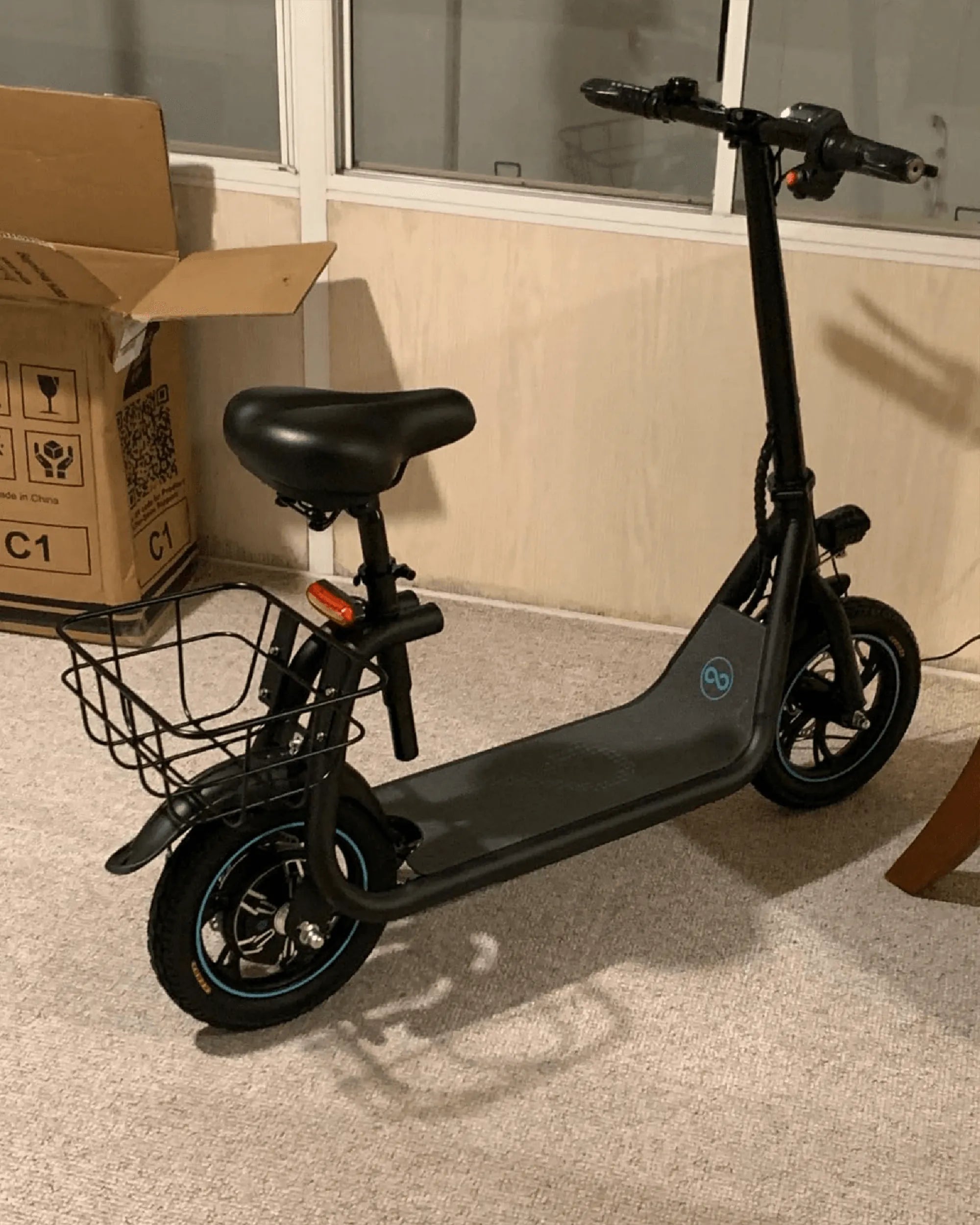
Gyroor's lineup offers clear examples of speed tailored to use cases. A commuter-focused model like the Gyroor C1 is engineered for efficient daily travel, with a real-world top speed around 18-19 mph—ideal for navigating city bike lanes swiftly and legally. Its design prioritizes range and stability at these speeds.
For riders seeking more performance, models like the Gyroor Z1 Pro are capable of reaching higher speeds, such as 28+ mph, supported by a more powerful motor and higher-capacity battery. Crucially, this enhanced performance is delivered alongside upgraded braking systems and the same UL-certified battery safety, ensuring that increased capability does not come at the expense of rider security.
Beyond MPH: Other Performance Metrics for a Great Ride
While top speed grabs headlines, a scooter's overall performance is a balance of several key metrics. Range, or miles per charge, is often a more practical concern for commuters. A scooter's effective range is highly variable, inversely affected by speed, rider weight, hills, and temperature.
Acceleration and hill-climbing ability, governed by motor torque, are critical for urban stop-and-go traffic and navigating overpasses. A scooter that can quickly reach 15 mph from a stop may be more useful than one with a high top speed but sluggish acceleration. The quality of the braking system—whether disc, drum, or electronic—is the most important safety performance feature, directly determining stopping distance.
Finally, suspension and deck size contribute to ride quality and stability, especially at higher speeds or on uneven pavement. A comfortable, stable rider is a more alert and safer rider.
Electric Scooter Speed FAQ
What is the fastest speed for a legal electric scooter?
Legality varies by jurisdiction. In many US states and European countries, electric scooters are limited by law to 15-20 mph on public roads and bike lanes. Some areas allow higher speeds in certain classes (e.g., moped-class up to 30 mph) with additional requirements like licensing. Always check your local regulations; the fastest legal speed is what the law permits, not what the scooter can technically achieve.
Can I make my electric scooter go faster? (And why you shouldn't)
Technically, some scooters can be modified or "hacked" to remove software speed limiters. This is strongly discouraged. It voids the warranty, stresses components like the motor, controller, and battery beyond their designed limits, and significantly increases the risk of mechanical failure, fire, or loss of control. It also makes the scooter illegal for road use and invalidates insurance.
How does rider weight affect the top speed and range?
Rider weight has a substantial impact. A heavier rider increases the load on the motor, reducing the achievable top speed and acceleration. It also forces the battery to work harder, depleting it faster and reducing the overall range by 10-30% compared to a lighter rider under identical conditions.
Do electric scooters go slower as the battery drains?
Yes, this is common. As battery voltage drops during use, the motor controller may reduce power output to protect the battery from deep discharge. You'll typically notice a gradual decline in acceleration and the ability to maintain top speed, especially on hills, in the final 20-30% of the battery's charge.
Are faster scooters covered by the same warranty?
Reputable brands like Gyroor provide the same comprehensive 1-year warranty across their performance lineup when the scooter is used as intended. The warranty covers defects in materials and workmanship, affirming that the higher-performance components are engineered to the same reliability standards. Modifications or misuse that lead to failure will void warranty coverage.
Conclusion: Choosing the Right Speed for Your Journey
The optimal electric scooter speed is a personal equation balancing legal limits, commute distance, terrain, and safety preparedness. A 15-20 mph commuter scooter is often the most practical and lawful choice for urban environments. Prioritize brands that build safety into their performance, with certifications like UL for batteries and IP ratings for weather resistance. These features, backed by a strong warranty, ensure your scooter delivers consistent, reliable performance mile after mile. For a range of models that match speed with certified safety and durability, browse the full Gyroor collection at gyroorboard.com.
Electric Scooters Idaho Falls: The Ultimate Guide to Eco-Friendly Commuting
Yorkshire Electric Scooters: The Future of Urban Mobility in the UK