

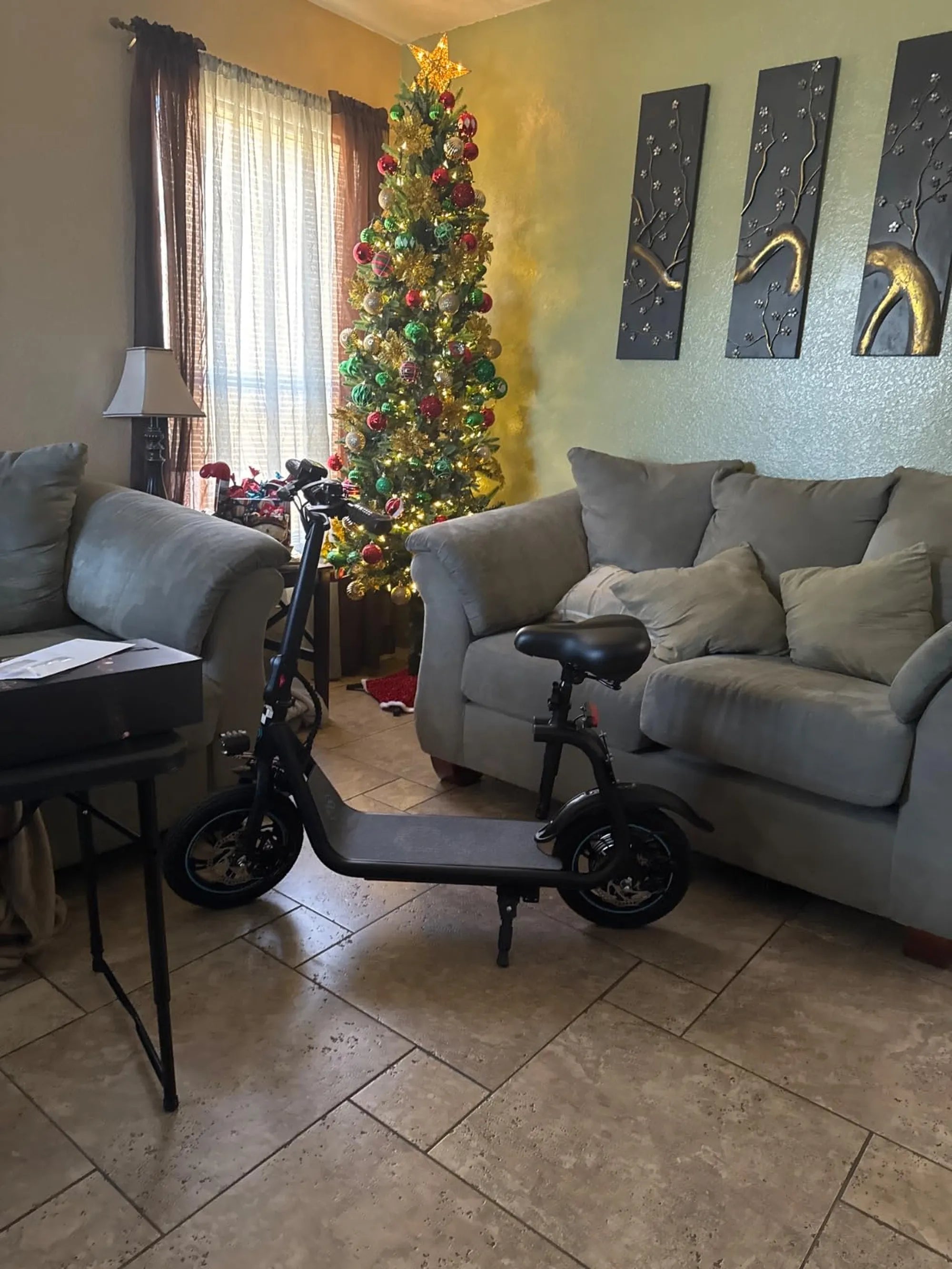
Riding a scooter is a fun and efficient way to get around, but it requires a certain level of balance to do it safely. Whether you're a beginner or looking to refine your skills, understanding how much balance you need is key to enjoying the ride. Let's dive into the fundamentals of scooter balance and how you can master it.
The Basics of Scooter Balance
Balance is the foundation of riding a scooter. Unlike bicycles, scooters have smaller wheels and a shorter wheelbase, which can make them feel less stable at first. However, with practice, most people can develop the necessary balance to ride comfortably.
Why Balance Matters
Without proper balance, controlling a scooter becomes difficult. You might wobble, lose control, or even fall. Good balance helps you maintain stability, steer smoothly, and react to unexpected obstacles.
Factors Affecting Balance
- Core Strength: A strong core helps you stay upright and adjust your posture as needed.
- Foot Placement: Keeping your feet shoulder-width apart on the deck improves stability.
- Speed: Riding too slowly can make balancing harder, while moderate speeds feel more natural.
- Terrain: Uneven surfaces or slopes require extra attention to maintain balance.
How to Improve Your Balance for Scooter Riding
If you're struggling with balance, don't worry—it's a skill that can be improved with practice. Here are some exercises and tips to help you get better.
Practice Standing on One Foot
This simple exercise strengthens your stabilizing muscles. Try standing on one foot for 30 seconds, then switch. Over time, you'll notice better control on your scooter.
Use a Wall for Support
When first learning, stand next to a wall and place one hand on it for support. Push off gently and practice gliding in a straight line. Gradually reduce your reliance on the wall.
Ride on Smooth, Flat Surfaces
Start in a parking lot or quiet street with no traffic. Smooth surfaces make it easier to focus on balance without worrying about bumps or obstacles.
Common Balance Mistakes and How to Fix Them
Even experienced riders can make balance-related errors. Here are some common issues and how to correct them.
Leaning Too Far Forward or Backward
This can cause the scooter to tip. Keep your weight centered over the deck, with a slight bend in your knees for flexibility.
Gripping the Handlebars Too Tightly
Tension in your arms can throw off your balance. Relax your grip and let the scooter move naturally beneath you.
Looking Down Instead of Ahead
Your body follows your gaze. Keep your eyes on the path ahead to maintain a straight line and better balance.
Advanced Balance Techniques for Confident Riding
Once you've mastered the basics, try these advanced techniques to enhance your stability and control.
Carving Turns Smoothly
Instead of abruptly turning, lean gently into curves. This distributes your weight evenly and keeps the scooter stable.
Riding Over Small Obstacles
Lift your front wheel slightly when approaching cracks or bumps. Shift your weight to the back foot to maintain balance.
Practicing Emergency Stops
Knowing how to stop suddenly without losing balance is crucial. Practice braking smoothly while keeping your body centered.
How Much Balance Is Enough?
There's no exact measure of how much balance you need—it depends on your comfort level and riding conditions. However, if you can ride in a straight line, make turns without wobbling, and stop safely, you likely have enough balance for everyday riding.
Ready to hit the streets with confidence? With these tips and consistent practice, you'll develop the balance needed to enjoy your scooter to the fullest. Happy riding!
Best Electric Scooter for Sale in The Villages: Top Picks and Buying Guide
Best Electric Scooter for Sale in The Villages: Top Picks and Buying Guide