



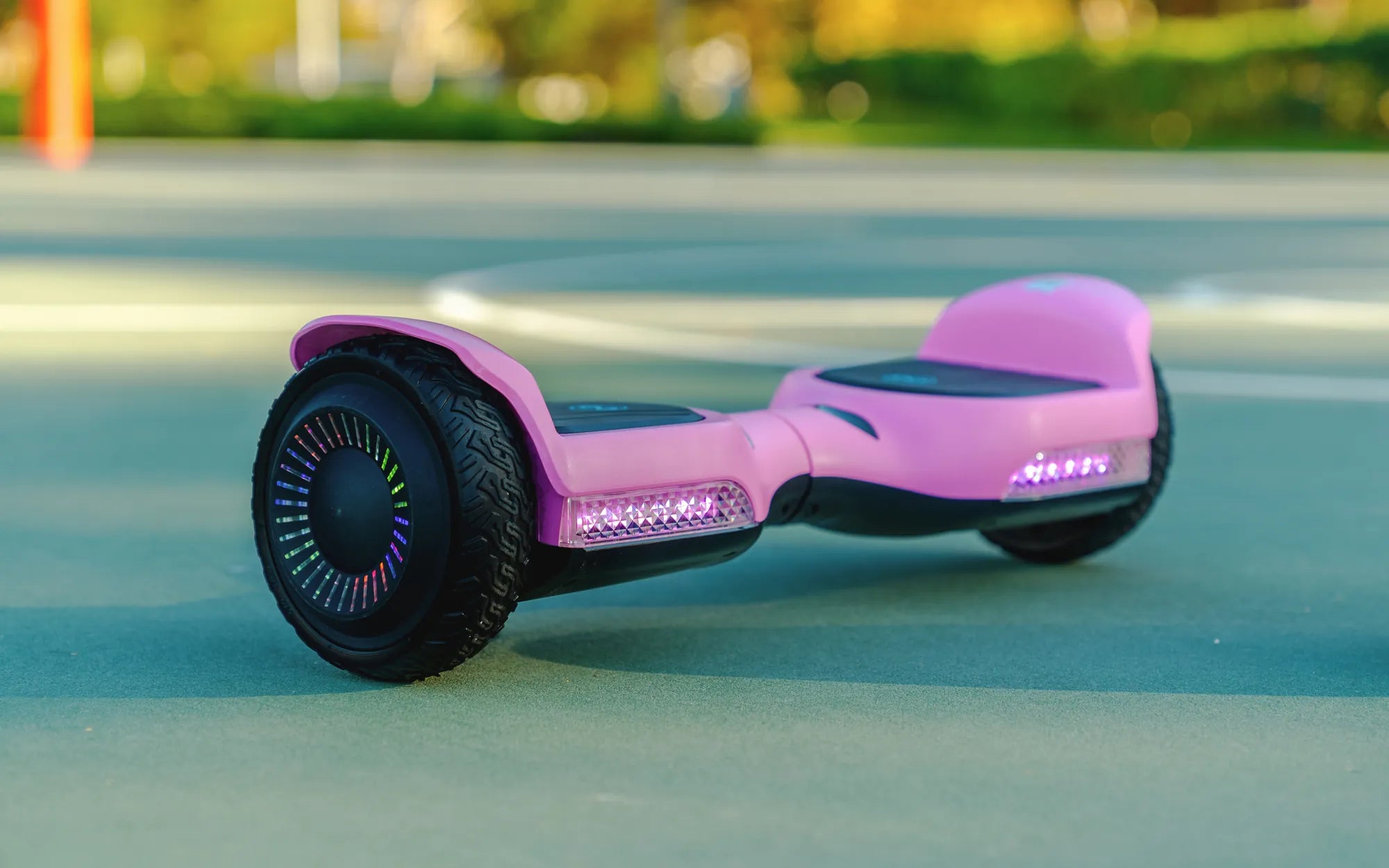
Self-balancing scooters have taken the world by storm, offering a fun and efficient way to get around. But if you're wondering, how much do self-balancing scooters cost?, the answer isn't always straightforward. Prices can vary widely based on features, build quality, and brand reputation. Whether you're a first-time buyer or looking to upgrade, understanding the pricing landscape will help you make an informed decision.
Factors That Affect the Cost of Self-Balancing Scooters
Several key factors influence the price of self-balancing scooters. Knowing these will help you determine which model fits your needs and budget.
1. Build Quality and Materials
Higher-end models often use premium materials like reinforced aluminum frames and high-quality rubber tires, which contribute to durability and a smoother ride. Cheaper alternatives may cut corners with plastic components, affecting longevity.
2. Battery Life and Range
The battery is one of the most critical components. Scooters with longer ranges (15-25 miles per charge) typically cost more than those with shorter ranges (6-10 miles). Lithium-ion batteries are more expensive but offer better performance.
3. Speed and Motor Power
Models with stronger motors (500W or more) can reach higher speeds (up to 12-15 mph) and handle inclines better. These features usually come at a premium compared to basic models with lower power outputs.
4. Additional Features
Extras like Bluetooth speakers, LED lights, mobile app connectivity, and waterproofing can add to the cost. Decide which features are must-haves versus nice-to-haves to avoid overspending.
Price Ranges for Self-Balancing Scooters
Self-balancing scooters can be grouped into three main price categories:
1. Budget-Friendly Options ($100-$300)
These scooters are ideal for beginners or casual riders. They usually have shorter battery life, lower speeds, and fewer features. While affordable, they may not be as durable or high-performing.
2. Mid-Range Models ($300-$600)
This category offers a balance between cost and performance. Expect better build quality, decent battery life, and some extra features like LED lighting or basic app controls.
3. Premium Scooters ($600-$1,500+)
High-end models boast superior materials, extended range, faster speeds, and advanced tech integrations. These are best for serious commuters or enthusiasts who prioritize performance and reliability.
Where to Buy Self-Balancing Scooters
Prices can also vary depending on where you purchase your scooter:
- Online Marketplaces: Often offer competitive pricing and frequent discounts.
- Specialty Retailers: May provide better customer service and warranties.
- Secondhand Markets: Can be a cost-effective option, but inspect carefully for wear and tear.
Tips for Getting the Best Deal
To maximize value, consider these strategies:
- Compare prices across multiple sellers.
- Look for seasonal sales or holiday discounts.
- Check for warranty and return policies.
- Read user reviews to gauge real-world performance.
Self-balancing scooters are an exciting investment, but their costs can vary dramatically. By understanding what drives pricing and where to look, you can find the perfect ride without breaking the bank. Ready to zip around town in style? The right scooter is out there—just waiting for you to hop on!
How Long Do You Need to Charge a Hoverboard: A Complete Guide
Pink Hoverboard with Bluetooth and LED Lights: The Ultimate Ride for Style and Tech Lovers