


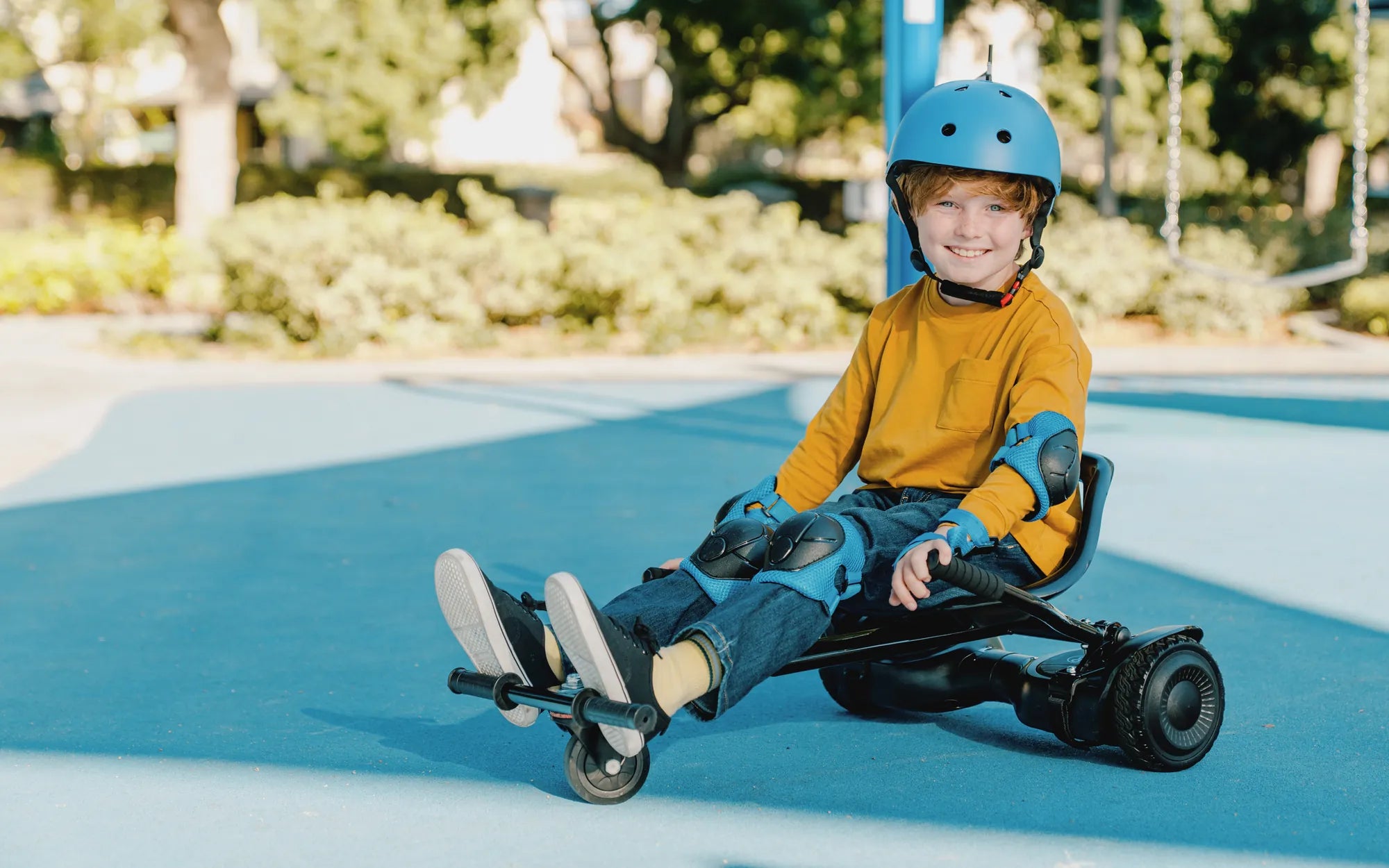
Navigating the Kids' Hoverboard Market
Hoverboards offer kids a thrilling blend of fun, mobility, and outdoor activity. As a parent, your first question is likely, how much does a hoverboard cost for kids? The answer isn't simple. Prices can range from under $100 to over $500, creating a confusing landscape.
This variation directly reflects differences in safety, performance, and durability. A cheap price tag often signals significant compromises, especially in critical areas like battery safety. This guide provides a complete price breakdown.
We will detail the key factors that determine cost, outline clear price tiers for 2024, and explain why safety certifications are a non-negotiable investment. Our goal is to empower you to make a value-driven purchase that prioritizes your child's safety without overspending.
By the end, you'll know exactly what to expect in each price range and how to find the best hoverboard for your budget. The true cost isn't just the sticker price; it's the balance of upfront investment with long-term reliability and peace of mind.
Key Factors That Determine a Kids' Hoverboard's Price
Understanding what drives the cost of a hoverboard is the first step to making a smart purchase. The price is a direct reflection of the components, engineering, and safety standards built into the device. Cutting corners in manufacturing always leads to a lower price, but often at a significant cost to safety and longevity.
When you ask, 'how much does a hoverboard cost for kids?', you're really asking about the value of these underlying features. A higher initial investment typically secures better materials, more rigorous testing, and advanced technology that enhances the riding experience and safety.
Let's dissect the primary elements that influence the final price tag. This knowledge will help you decode product listings and understand why one model costs $150 while another is $350.
Focusing on these factors ensures you pay for what matters most: a safe, reliable, and enjoyable product for your child. The following sections break down each critical component.
Brand Reputation and Safety Certifications
Established brands invest heavily in research, development, and quality control. They build their reputation on reliability and customer safety. A brand like Gyroor, with over 100,000 riders, commands a premium because it backs its products with proven performance and support.
The most critical cost factor is safety certification. The UL 2272 standard is an exhaustive set of tests for the entire electrical system, including the battery, charger, and circuitry, to prevent fire and electrical hazards. Achieving this certification requires high-quality components and rigorous testing, which increases manufacturing costs.
Unknown or generic brands often skip this costly certification process to offer lower prices. Purchasing a hoverboard without UL 2272 certification poses a tangible safety risk. The price difference here is literally the cost of safety assurance.
Furthermore, reputable brands offer reliable customer service and clear warranty policies. The value of accessible support when you have a question or issue cannot be overstated and is factored into the product's price.
Motor Power, Battery Life, and Range
Performance specifications are major price drivers. Motor power, measured in watts (W), determines speed, torque, and hill-climbing ability. Basic models may have a single 200W motor, while premium kids' hoverboards feature dual 300W or 350W motors for smoother control and better performance on inclines.
Battery quality and capacity are paramount. Capacity is measured in watt-hours (Wh). A larger, higher-quality battery (e.g., 36V, 4.0Ah) provides a longer range—often 10-15 miles per charge—and supports more charge cycles before degrading. Cheap batteries have lower capacity, shorter lifespans, and pose greater safety risks.
Advertised range is directly tied to battery capacity. Paying more typically secures a hoverboard that won't leave your child stranded far from home. For active kids, a longer range translates to more uninterrupted playtime.
All Gyroor hoverboards, for instance, use UL-certified battery packs tested for over 500 charge cycles, ensuring consistent performance and safety over years of use. This level of battery quality is a significant component of the product's value.
Build Quality, Weight Limit, and Durability
The materials used in construction drastically affect cost and durability. Premium hoverboards use aircraft-grade aluminum alloy for the frame and deck, which is lightweight yet extremely strong. Budget models often rely on cheaper, brittle plastics that can crack from impact or stress.
Weight limit is a crucial consideration. A higher maximum weight (e.g., 220 lbs vs. 160 lbs) indicates a more robust motor and sturdier frame. Even for a child, a higher weight limit means the hoverboard is over-engineered for its task, promising greater durability and a longer useful life as your child grows.
Features like IPX water resistance add cost but are invaluable for real-world use. An IPX5 rating, like on many Gyroor models, means the board can withstand water jets, allowing kids to ride on damp pavement or through puddles without damaging internal electronics.
Superior build quality also includes features like non-slip foot pads, robust wheel axles, and effective shock absorption. These elements enhance safety, comfort, and the overall riding experience, justifying a higher price point.
Extra Features and Tech Enhancements
Beyond core functionality, additional features create price stratification. Basic models offer simple LED wheel lights. Mid-range and premium models add customizable RGB light shows, Bluetooth speakers, and mobile app connectivity for tuning performance modes or tracking rides.
Learning modes are a valuable feature for beginners. These software settings limit the hoverboard's maximum speed and acceleration, allowing new riders to build confidence safely. This thoughtful inclusion is common in family-focused brands.
Other tech enhancements include superior LED displays for battery life, Bluetooth-enabled music control, and even built-in gyroscopes for more precise balancing. While not essential, these features enrich the experience and are markers of a more sophisticated, and therefore more costly, product.
When evaluating how much a hoverboard costs for kids, consider which features your child will truly use. A robust build and safe battery are essential; Bluetooth speakers are a fun bonus that comes with a higher-tier model.
Kids' Hoverboard Price Tiers: What to Expect in 2024
The market segments into three distinct price tiers: Budget, Mid-Range/Value, and Premium. Each tier corresponds to a specific set of expectations regarding safety, performance, and features. Understanding these tiers is key to aligning your budget with your requirements.
The following table provides a clear, at-a-glance comparison of what you can expect in each hoverboard price category for kids.
| Price Tier | Price Range | Safety Certification | Typical Range | Build Quality | Warranty |
|---|---|---|---|---|---|
| Budget | $100 - $200 | Often Missing or Unverified | 5-8 miles | Basic Plastic, Lower Weight Limit | 90 Days or Less / None |
| Mid-Range / Value | $200 - $350 | UL 2272 Standard Common | 10-12 miles | Aluminum Alloy, IPX4+ Resistance | 1 Year (Reputable Brands) |
| Premium | $350 - $500+ | UL 2272 Standard Standard | 15+ miles | Premium Materials, IPX5+ Resistance | 1 Year Comprehensive |
This breakdown shows a direct correlation between cost and the quality of critical components. Let's explore each tier in detail to see where the best value lies for most families.
Budget Tier ($100 - $200)
Hoverboards in this range are tempting due to their low upfront cost. They are typically sold by unknown brands on large online marketplaces. The primary trade-off is safety; many lack UL 2272 certification, relying on cheaper, uncertified battery cells that pose a higher risk of malfunction.
Performance is minimal. Expect single motors, low-capacity batteries offering short range (5-8 miles), and slow charging times. The build quality often involves hollow plastic shells that can crack under stress, with low weight limits that may not accommodate an older child.
Warranties are virtually non-existent or limited to 30-90 days. Customer support is often inaccessible. This tier represents a significant gamble where the potential savings are far outweighed by the risks of premature failure or safety incidents.
While the initial price answers 'how much does a hoverboard cost for kids' with a low number, the total cost of ownership can be high if the product breaks quickly or, worse, causes an accident. This tier is generally not recommended for children.
Mid-Range / Value Tier ($200 - $350)
This is the recommended sweet spot for most families seeking a balance of cost, safety, and quality. Reputable brands, including Gyroor, operate strongly in this segment. The defining feature of this tier is the inclusion of legitimate UL 2272 safety certification as a standard.
You can expect reliable performance from dual motors (often 250W-300W each), quality lithium-ion battery packs providing a 10-12 mile range, and durable construction using aluminum alloy frames. Features like IPX4 or IPX5 water resistance, LED lights, and learning modes are common.
A comprehensive 1-year warranty is standard with trustworthy brands, offering peace of mind. This tier delivers on the core promise of a hoverboard: safe, reliable, durable fun. It represents the minimum threshold for a responsible purchase.
When parents research how much a hoverboard costs for kids with safety in mind, this is the price range they should anticipate. The investment here secures fundamental safety and a product built to last through years of active use.
Premium Tier ($350 - $500+)
Premium hoverboards are for the enthusiast or parent wanting the absolute best. These models push the boundaries of performance and technology. They feature powerful dual motors (350W+), high-capacity batteries for ranges exceeding 15 miles, and superior suspension systems for a ultra-smooth ride on varied terrain.
Build quality is top-notch, using the best materials for maximum durability. Tech enhancements are comprehensive: high-fidelity Bluetooth speakers, full RGB customizable light systems, advanced mobile apps with detailed metrics, and sometimes even built-in GPS.
Safety is a given, with UL 2272 certification and often additional proprietary protections. Warranties are robust, and customer service is premium. This tier is an investment in a top-tier recreational device.
For a child who is a dedicated rider, the enhanced performance, extended range, and luxury features may justify the cost. It answers the question of how much does a hoverboard cost for kids with a focus on peak experience and cutting-edge technology.
Why Investing in a Certified Hoverboard is Non-Negotiable
The history of hoverboards includes well-publicized safety incidents linked to faulty, uncertified batteries. This makes the safety certification the most critical aspect of your purchasing decision. Viewing it as an optional extra is a dangerous mistake.
The true cost of a hoverboard isn't just monetary; it includes the risk you assume. A slightly higher upfront price for a certified model is a direct investment in hazard prevention. For a child's product, this is non-negotiable.
Certifications are not marketing fluff. They are the result of independent, third-party laboratories putting the product's electrical system through extreme stress tests. This process weeds out designs that could overheat, short-circuit, or catch fire.
Insisting on a certified hoverboard is the single most important thing you can do as a parent. It transforms the device from a potential hazard into a safe, enjoyable toy. The following sections detail the key certification and the value of reliable support.
The UL 2272 Certification: What It Means for Safety
UL 2272 is a safety standard created by Underwriters Laboratories specifically for self-balancing scooters (hoverboards). It is the benchmark for electrical and fire safety in the industry. A hoverboard with this certification has passed a rigorous battery of tests.
These tests include overcharge protection, short circuit tests, imbalance charging, drop tests, and crush tests on the battery pack. The goal is to ensure the battery and electrical system will fail safely, without causing a fire or explosion, even under abusive conditions.
When you see the UL 2272 mark, you are buying a product where the manufacturer has prioritized safety engineering. All Gyroor hoverboards are built with UL-certified battery packs as a foundational component of their design.
Never purchase a hoverboard that lacks this certification, regardless of how attractive the price may be. The potential consequences far outweigh any savings. This certification is the definitive answer to whether a hoverboard is safe for your child.
The Value of Warranty and Reliable Support
A warranty is a brand's promise about the durability and reliability of its product. A comprehensive 1-year warranty, like that offered by Gyroor, covers defects in materials and workmanship. It provides a clear path for resolution if something goes wrong.
This contrasts sharply with the experience of buying a budget board. When a cheap hoverboard fails after a few months, you are typically left with a useless piece of plastic and electronics, having wasted your entire investment.
Reliable customer support is part of the value proposition. Access to knowledgeable representatives for troubleshooting, ordering replacement parts, or processing a warranty claim is a service that reputable brands provide. This support network is built into the product's price.
The peace of mind that comes from knowing you have a company standing behind its product is invaluable. It turns a purchase from a disposable transaction into a long-term investment in your child's fun.
The Gyroor Advantage: Premium Safety and Value for Young Riders
As a leader in personal electric mobility, Gyroor designs its kids' hoverboards with the precise concerns of parents in mind. The brand's philosophy centers on delivering premium safety and enduring value, positioning its products firmly in the recommended mid-range to premium tiers.
Every Gyroor hoverboard is engineered around a UL-certified battery pack. This isn't an upgrade; it's the standard. This commitment ensures that from the moment your child steps on, the fundamental electrical system is as safe as modern engineering can make it.
Understanding that kids play hard and outdoors, Gyroor incorporates IPX5 water-resistant designs. This allows for worry-free riding on damp sidewalks or grass, protecting the internal components from splashes and light rain, a common-sense feature for a child's toy.
Backed by a robust 1-year warranty and trusted by over 100,000 riders globally, Gyroor represents the intersection of safety, performance, and reliability. For parents calculating how much a hoverboard costs for kids, Gyroor offers a clear value proposition: a fair price for guaranteed safety and quality that lasts.
Smart Shopping Tips: Getting the Best Deal
Finding the right hoverboard involves more than just comparing listed prices. Strategic shopping can help you secure a better model within your budget or get a premium board at a value price. The goal is to maximize safety and features for your dollar.
Always prioritize certified safety and a good warranty over a flashy low price. With that foundation, you can use timing and vendor selection to your advantage. Planning your purchase can lead to significant savings on high-quality models.
Remember to factor in all associated costs. The initial purchase is just part of the total investment in your child's new activity. The following tips will guide you through the process of making a savvy, safe purchase.
Where to Buy: Official Stores vs. Marketplaces
The safest and most reliable place to buy is directly from the brand's official website or an authorized retailer. This guarantees you receive an authentic product, are eligible for the full manufacturer's warranty, and have direct access to customer support.
Large online marketplaces host a mix of authorized sellers and third-party vendors. Exercise extreme caution. If a deal seems too good to be true, it almost certainly is. Third-party sellers may offer older stock, refurbished units sold as new, or even counterfeit products that mimic reputable brands but lack their safety features.
Always check the seller's ratings and reviews specifically for hoverboard sales. Look for mentions of warranty fulfillment and product authenticity. Purchasing from the official Gyroor store, for example, eliminates these risks entirely.
Buying from a reputable source is a critical component of ensuring the hoverboard you pay for is the safe, certified product you expect. It protects your investment from the start.
Timing Your Purchase: Sales and Seasonal Discounts
Hoverboards, like most consumer goods, go on sale during major retail events. The best times to find deals are Black Friday, Cyber Monday, Amazon Prime Day, and end-of-summer clearance events (August-September).
Holiday seasons like Christmas see high demand and fewer discounts, while post-holiday sales in January can offer good clearance prices. Setting up price alerts on specific models you're interested in can notify you the moment a price drops.
If you're not in a rush, waiting for a sale cycle can save you 20-30% on a mid-range or premium model, effectively moving a higher-quality board into a more accessible price bracket. This is an excellent way to increase value without compromising on safety.
Planning ahead allows you to answer 'how much does a hoverboard cost for kids' with a sale price that brings a better product within your planned budget.
Total Cost of Ownership: Don't Forget Accessories
The hoverboard itself is not the only expense. To ensure safe riding, you must budget for essential protective gear. A properly fitted helmet is mandatory, and knee and elbow pads are highly recommended, especially for beginners.
Other potential accessories include a carrying case or strap for transport, a replacement charger (to keep one at home and one at grandma's, for example), and possibly tire repair kits for air-filled tires on some models.
When calculating your total budget, add $50-$100 for quality safety gear. This is not an optional add-on but a core part of responsible hoverboard ownership. The total cost of ownership includes everything needed for safe and convenient use.
Factoring this in from the beginning gives you a realistic view of the investment and ensures your child is fully protected from their first ride onward.
Frequently Asked Questions (FAQs)
Q: What is the average price for a good quality kids' hoverboard?
A: The average price for a good quality, UL 2272 certified kids' hoverboard from a reputable brand falls in the $250 to $350 range. This mid-range tier consistently offers the best balance of safety (with certification), performance (10-12 mile range), durability, and warranty coverage for most families.
Q: Are cheap hoverboards from online marketplaces safe for my child?
A: Generally, no. Hoverboards priced below $150, especially from unknown third-party marketplace sellers, frequently lack critical UL 2272 safety certification. They often use lower-quality, untested battery cells and electrical components that pose a higher risk of overheating, fire, or sudden failure. The safety risk far outweighs the minimal savings.
Q: Is it worth paying more for a hoverboard with a longer range?
A: It depends on your child's usage. For most kids riding around the neighborhood or park, a 10-12 mile range is ample. If your child is older, rides for extended periods, or you have a large property, a 15+ mile range (found in premium models) prevents interruptions and reduces daily charging. The longer range usually accompanies a higher-quality battery, which is a worthwhile investment in longevity.
Q: What does the warranty typically cover, and how long should it be?
A: A standard warranty from a reputable brand should last at least 1 year and cover defects in materials and workmanship for the entire hoverboard. This includes the battery, motors, frame, and electronics. Avoid warranties shorter than 1 year or those that only cover specific parts. A strong warranty, like Gyroor's 1-year comprehensive warranty, is a sign of manufacturer confidence and protects your purchase.
Q: Besides the hoverboard itself, what other costs should I plan for?
A> You must budget for safety gear: a certified helmet ($30-$50) and knee/elbow pad sets ($20-$40) are essential. Consider a carrying case or strap ($20-$40) for easy transport. You may also want a backup charger ($25-$40). Planning for these items upfront ensures a complete, safe setup and prevents surprise expenses later.
Prioritizing Safety and Value for Lasting Fun
Determining how much a hoverboard costs for kids is ultimately about understanding value, not just price. The safest, most enjoyable hoverboard for your child is one that balances responsible engineering with fun features, all backed by a reliable brand. The clear takeaway is to focus your search on the mid-range value tier ($200-$350), where UL 2272 certification, durable construction, and solid warranties are standard.
Resist the temptation of deep-discount, uncertified models. The potential hazards and near-certainty of premature failure make them a poor financial and safety decision. Investing in a certified hoverboard from a trusted manufacturer is an investment in peace of mind, ensuring countless hours of safe outdoor activity.
Brands like Gyroor have built their reputation on this exact principle, offering feature-rich hoverboards with UL-certified batteries, water-resistant designs, and strong customer support. By choosing a model from this category, you secure lasting fun without compromising on the fundamentals of safety and quality.
Ready to find the perfect, safe hoverboard for your young rider? Explore a range of UL-certified, durable, and fun options designed with kids in mind. Browse the full Gyroor collection at gyroorboard.com to discover the ideal balance of safety, performance, and value for your family.
Smart Self Balancing Scooter with Bluetooth: The Future of Personal Mobility
Rider Scooter for Kids: The Ultimate Guide to Fun and Safety