



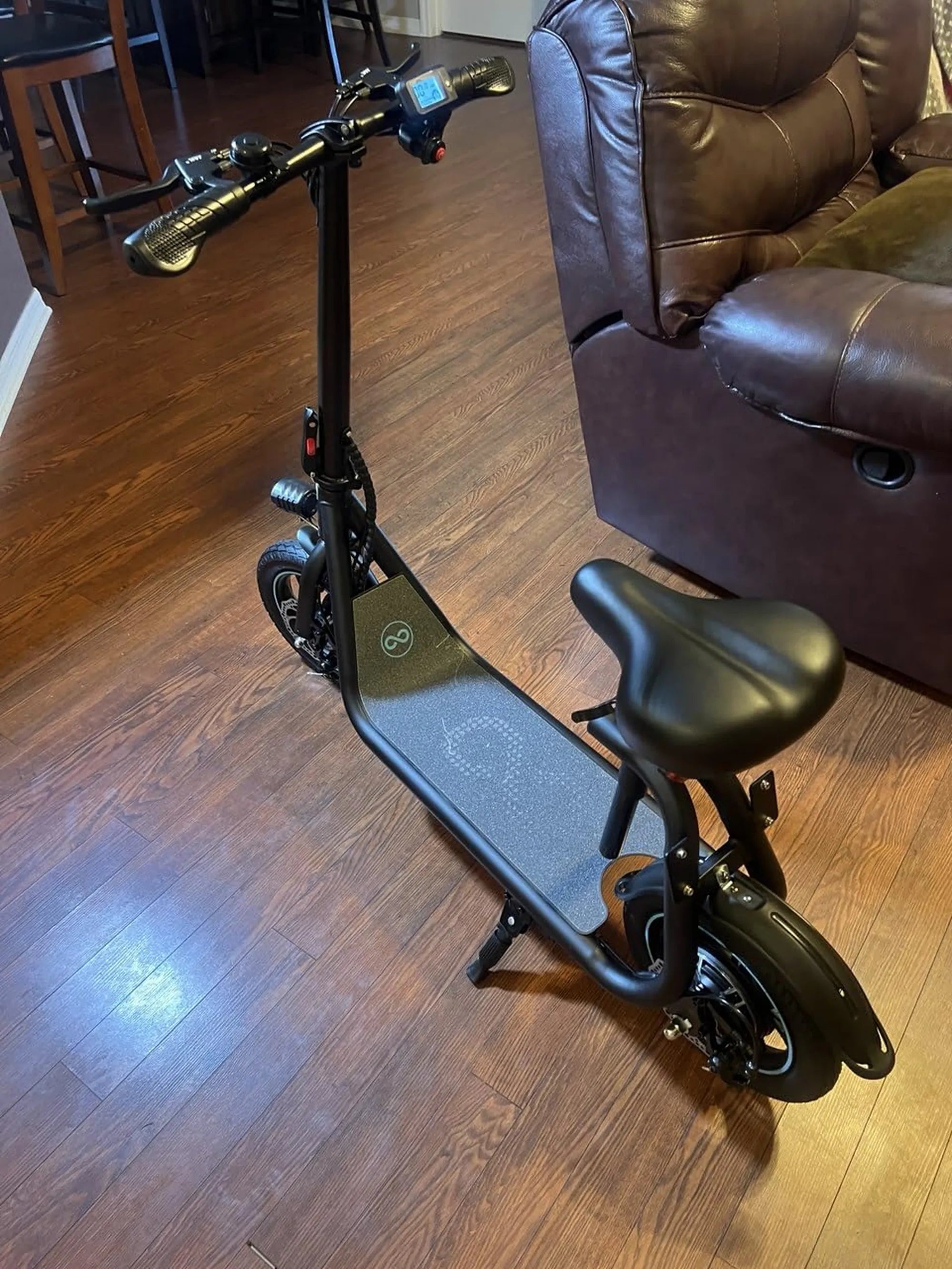
Electric bikes have revolutionized the way we commute, offering an eco-friendly and efficient alternative to traditional bicycles and cars. But one question that often arises is: how much does an electric bike weigh? The answer isn't straightforward, as several factors come into play. Whether you're a daily commuter, a weekend adventurer, or just curious about e-bikes, understanding their weight can help you make an informed decision.
Factors That Influence the Weight of an Electric Bike
The weight of an electric bike depends on multiple components, each contributing to the overall mass. Here are the key factors:
1. Frame Material
The frame is the backbone of any bike, and its material significantly affects weight. Common materials include:
- Aluminum: Lightweight and affordable, aluminum frames are popular for mid-range e-bikes.
- Carbon Fiber: Extremely light and strong but comes at a higher cost.
- Steel: Durable and sturdy but adds considerable weight.
2. Battery Size and Capacity
The battery is one of the heaviest components of an e-bike. Larger batteries with higher capacity (measured in watt-hours) provide longer range but also add more weight. A typical e-bike battery can weigh between 5 to 10 pounds (2.3 to 4.5 kg).
3. Motor Type and Power
E-bike motors come in different types, such as hub motors and mid-drive motors. Hub motors are generally heavier, while mid-drive motors are more compact but may require a sturdier frame. Motor power, measured in watts, also influences weight—higher wattage often means a heavier motor.
4. Additional Features
Extras like suspension systems, cargo racks, and integrated lights can add extra pounds. While these features enhance functionality, they also contribute to the overall weight.
Average Weight Range of Electric Bikes
Most electric bikes weigh between 40 to 70 pounds (18 to 32 kg), but this can vary widely based on the factors mentioned above. Here's a breakdown:
- Lightweight E-Bikes: 40-50 pounds (18-23 kg) – Ideal for commuting and easy handling.
- Mid-Weight E-Bikes: 50-60 pounds (23-27 kg) – Balanced for performance and durability.
- Heavy-Duty E-Bikes: 60-70+ pounds (27-32+ kg) – Built for off-road or cargo-carrying purposes.
How Weight Affects Performance
The weight of an e-bike impacts several aspects of its performance:
1. Speed and Range
Heavier bikes may require more power to accelerate, potentially reducing battery life. However, advanced motors and batteries can mitigate this effect.
2. Portability
If you need to carry your e-bike upstairs or load it onto a rack, a lighter model will be easier to handle.
3. Ride Comfort
A heavier bike can feel more stable at high speeds, while a lighter one offers better maneuverability.
Tips for Choosing the Right Weight
When selecting an e-bike, consider your specific needs:
- For Commuting: Opt for a lighter model (40-50 pounds) for easy transport.
- For Off-Roading: A heavier, sturdier bike (60+ pounds) may be more suitable.
- For Cargo Hauling: Look for a robust frame and additional load capacity.
Electric bikes come in all shapes and sizes, and their weight plays a crucial role in your riding experience. Whether you prioritize speed, portability, or durability, understanding how much an electric bike weighs will help you find the perfect match. Ready to take the next step? Explore your options and ride into the future with confidence!
Fast Electric Scooter in Bangalore: The Ultimate Urban Commute Solution
How to Replace E Scooter Tire Tube: A Step-by-Step Guide