

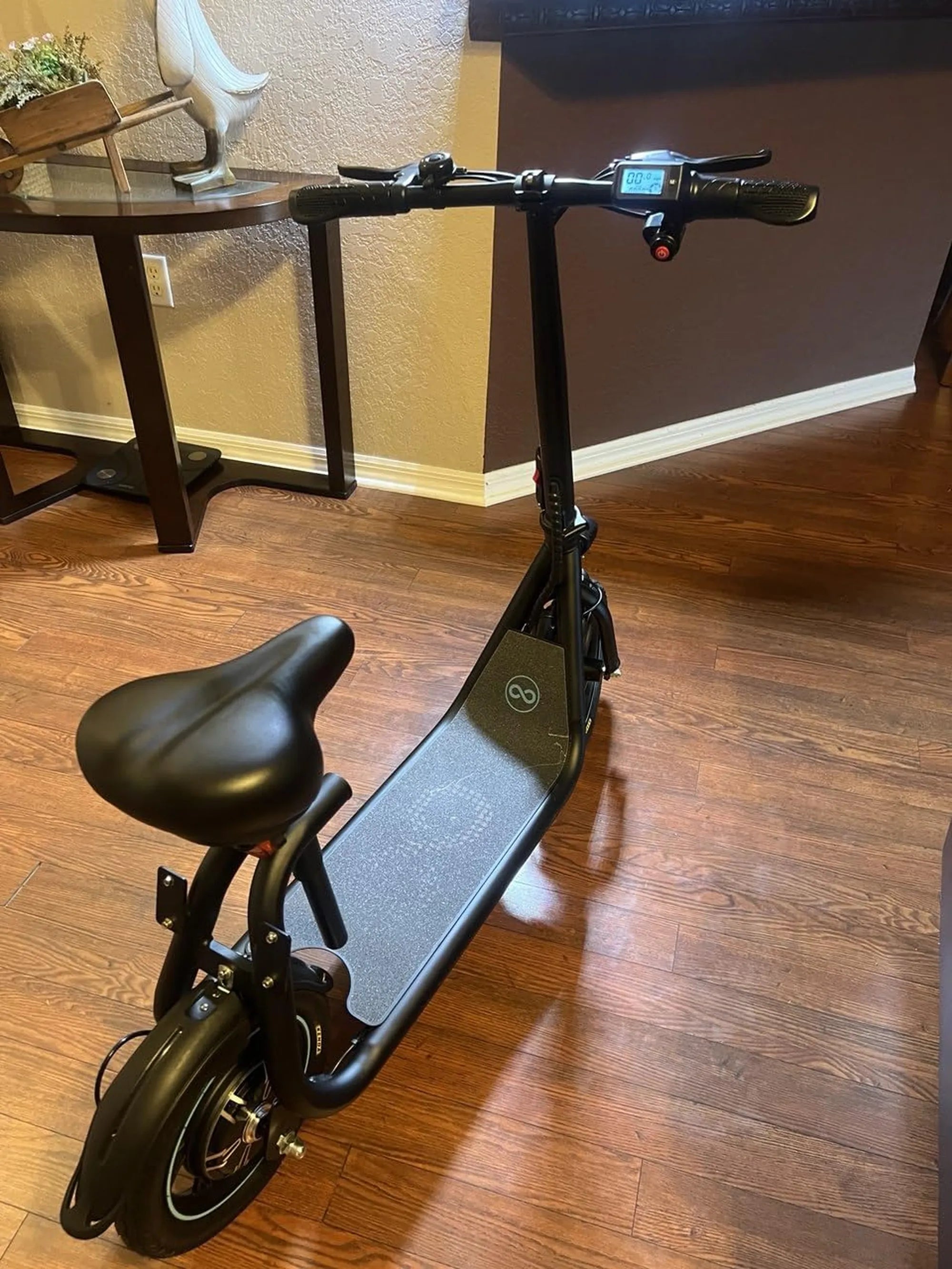
Determining how much an e-bike costs is the first step for most new riders, but the answer is more nuanced than a single price tag. The cost of an e-bike represents an investment in a new form of mobility, with prices spanning from a few hundred to several thousand dollars. This variation reflects differences in quality, performance, safety, and intended use. In this guide, you'll learn to navigate the entire price spectrum, understand exactly what you're paying for in key components, and calculate the often-overlooked total cost of ownership. We'll provide clear data to help you find the right balance between upfront price and long-term value, with insights into why brands like Gyroor—a leading electric scooter and e-bike brand trusted by over 100,000 riders across North America and Europe—prioritize certified safety and reliability in their designs.
Breaking Down the E-Bike Price Spectrum
The market for electric bicycles is vast, but prices generally cluster into three distinct tiers: Budget, Mid-Range, and Premium. Each tier serves a different type of rider and use case, with corresponding trade-offs in components, performance, and durability. Understanding where you fit on this spectrum is crucial to aligning your budget with your expectations.
Budget models, typically under $1,500, offer an accessible entry point but often make compromises on motor power, battery range, and component quality. Mid-range e-bikes, costing between $1,500 and $3,500, constitute the most popular segment for daily commuters and recreational riders seeking a reliable, feature-rich experience without a luxury price tag. The premium tier, starting around $3,500, includes high-performance, specialty, and integrated-design bikes built for demanding use like serious off-roading or heavy cargo hauling.
The price you pay directly influences the ride's safety, enjoyment, and longevity. A very low initial cost can lead to higher long-term expenses through repairs, early battery failure, or a disappointing riding experience. Conversely, over-spending on features you don't need is an unnecessary financial burden. The key is identifying the sweet spot where cost meets your specific requirements for range, power, comfort, and build quality.
Budget-Friendly Commuters ($500 - $1,500)
In the $500 to $1,500 range, you'll find entry-level commuter and cruiser-style e-bikes. These models are often sold by direct-to-consumer brands or larger retailers. They provide basic electric assist, making them suitable for short, flat commutes or casual recreational rides. The primary appeal is the low barrier to entry for experiencing electric pedal assistance.
Components in this tier are typically utilitarian. You can expect hub motors with nominal power ratings (250W-500W), basic mechanical disc or rim brakes, and entry-level drivetrain components from manufacturers like Shimano. Batteries are often smaller capacity (under 500Wh) and may use lower-grade cells without robust safety certifications. Frames are usually heavy, high-tensile steel or basic aluminum.
The trade-offs are significant. Range is often limited to 20-35 miles per charge under ideal conditions. The motor may struggle on sustained hills. Long-term durability can be a concern, with higher likelihoods of component wear and electrical issues. Warranties are often shorter and less comprehensive. For a rider with modest needs and a tight budget, these bikes can work, but they require careful research and managed expectations.
The Sweet Spot: Mid-Range Performance ($1,500 - $3,500)
The mid-range, from $1,500 to $3,500, is widely considered the value and performance sweet spot for most riders. This is where you find well-rounded commuter, hybrid, and beginner mountain e-bikes from established brands that prioritize reliability. For a commuter, this investment often pays for itself in saved transportation costs within a year or two.
In this category, component quality sees a marked improvement. Motors are more refined, offering smoother power delivery and better efficiency. Batteries are larger (500Wh-750Wh), use higher-quality lithium-ion cells, and increasingly feature important safety certifications like UL 2271 or UL 2849. Brands that prioritize rider safety, like Gyroor, ensure their battery packs are UL-certified and tested for 500+ charge cycles, which is a critical value-add.
You also get better brakes (hydraulic disc brakes become common), more durable drivetrains, and lighter, more responsive aluminum frames. Additional features like integrated lighting, LCD displays with connectivity, and practical accessories (fenders, racks) are often included. This tier also comes with more robust customer support and warranties, such as Gyroor's reliable 1-year comprehensive warranty, protecting your investment.
High-End & Specialty E-Bikes ($3,500+)
E-bikes priced above $3,500 enter the premium and specialty realm. This includes high-performance electric mountain bikes (e-MTBs) with sophisticated full-suspension designs, premium cargo e-bikes designed to replace car trips, and sleek, integrated city bikes with proprietary technology. The cost here is justified by advanced engineering, premium materials, and niche performance.
High-end e-MTBs feature powerful, torque-sensing mid-drive motors from brands like Bosch, Shimano, or Brose, seamlessly integrated with high-capacity batteries (up to 750Wh+). They boast professional-grade suspension, brakes, and components to handle aggressive trail riding. Cargo e-bikes in this range offer exceptional stability, massive payload capacities, and weather-resistant integrated storage solutions.
At the upper limit ($7,000+), you find lightweight carbon fiber frames, ultra-refined motor systems with minimal drag, and cutting-edge features like automatic electronic shifting. The ownership experience often includes premium dealer support and longer warranties. These bikes are for enthusiasts, professionals using them for work, or families making a significant car-replacement investment where performance and reliability are non-negotiable.
What You're Really Paying For: The Cost Components
An e-bike's price is the sum of its parts, with a few key components accounting for the bulk of the cost. Understanding this breakdown empowers you to evaluate value and spot potential corners cut in cheaper models. The major cost drivers are the battery, motor, and frame, followed by the drivetrain, brakes, and electronics.
On average, the battery pack alone can represent 25-35% of an e-bike's total manufacturing cost. The motor and controller system accounts for another 20-30%. The frame, fork, and fundamental bicycle components (wheels, drivetrain, brakes) make up the remainder. Premium models invest more in each area, while budget models use cost-optimized versions of these core systems.
Beyond hardware, you're also paying for research and development, assembly, quality control, certification testing, warranty provisions, and brand-supported customer service. A brand with a strong reputation for safety and support, evidenced by over 100,000 riders and a 4.5/5 average rating like Gyroor, builds these costs into the price to ensure long-term rider satisfaction and product integrity.
The Battery: The Heart of the Cost
The battery is the most expensive single component and the heart of the e-bike's performance. Its cost is determined by capacity (watt-hours or Wh), cell quality, and safety certifications. A higher Wh rating means more range but also a higher price. For example, a 750Wh battery is significantly more costly than a 360Wh unit.
Cell quality is paramount. Reputable brands use name-brand cells (e.g., from Panasonic, Samsung, or LG) that offer better energy density, longevity, and stability. Cheaper e-bikes may use lower-grade, uncertified cells that degrade faster and pose a higher safety risk. The gold standard is a battery pack with full UL certification (like UL 2271), which involves rigorous testing for electrical, mechanical, and environmental safety.
This certification, a hallmark of responsible brands, adds to the cost but is a non-negotiable safety investment. A quality battery from a brand like Gyroor, using UL-certified packs rated for 500+ cycles, will retain usable capacity for years, whereas a cheap battery may need replacement in 1-2 years, negating any initial savings.
Motor & Drivetrain: The Muscle
The motor provides the assist and is a major differentiator. There are two primary types: hub motors and mid-drive motors. Hub motors, located in the front or rear wheel, are generally less expensive and simpler but can affect handling and are less efficient on hills. Mid-drive motors, mounted at the bike's crank, are more complex and costly. They offer better weight distribution, more natural riding feel, and superior efficiency by leveraging the bike's gears.
Motor power, measured in watts (W), influences cost but isn't the sole factor. A 250W mid-drive motor from a premium brand will often cost more than a 500W hub motor from a generic supplier due to its sophistication, torque output, and integration. The type of sensor also matters: basic cadence sensors (which activate assist based on pedal rotation) are cheaper, while torque sensors (which measure how hard you pedal) are more expensive and provide a more intuitive, responsive boost.
The drivetrain—the gears, chain, and derailleurs—works in tandem with the motor. Mid-range and premium e-bikes use durable components from Shimano or SRAM designed to handle the additional torque from the motor, adding to the overall cost but ensuring smooth, reliable shifting under load.
Frame, Build Quality & Brand Value
The frame is the foundation. Materials range from heavy steel (low cost) to aluminum alloy (the standard for mid-range, offering a good strength-to-weight ratio) to carbon fiber (high cost, lightweight). Quality welding, alignment, and finish contribute to durability, safety, and ride quality. A well-designed frame also integrates the battery and motor cleanly, improving aesthetics and protection from the elements.
Build quality extends to all components: the quality of spokes in the wheels, the seals in the bearings, and the wiring harness for the electrical system. Brands with a reputation for quality conduct more rigorous testing and use better materials, which increases manufacturing cost but reduces failure rates.
Finally, brand value encompasses warranty, customer service, and software support. A comprehensive 1-year warranty on the frame, motor, and battery, like that offered by Gyroor, provides peace of mind. Access to knowledgeable support and firmware updates for the motor system are intangible benefits that add value and justify a price point over a no-name brand with no support network.
The Hidden Costs of E-Bike Ownership
The purchase price is just the beginning. To understand the true cost of an e-bike, you must factor in the necessary accessories, ongoing maintenance, and potential repairs. These hidden costs can add hundreds to over a thousand dollars to your total investment, especially in the first year. Budgeting for them upfront prevents surprises and ensures a safe, enjoyable riding experience.
Failing to account for these expenses can lead to frustration or, worse, an unsafe riding situation. A quality lock is mandatory in urban areas, and a proper helmet is non-negotiable for safety. Regular maintenance keeps the bike running smoothly and can prevent costly repairs down the line. Smart buyers calculate the "all-in" cost before making a final decision.
Essential Accessories & Safety Gear
Very few e-bikes are truly "ride-ready" out of the box. Essential accessories form a critical part of your initial setup cost. The single most important accessory is a high-quality lock. Given the value of an e-bike, a sturdy U-lock or heavy-duty chain lock from a brand like Kryptonite or Abus is a must, costing between $80 and $150.
Safety gear is paramount. A certified bicycle helmet ($50-$200) is essential. For commuting or riding in low-light conditions, additional front and rear lights (beyond any integrated ones) enhance visibility ($30-$100). Fenders keep you clean on wet roads ($40-$80), and a rear rack with panniers ($100-$250) adds practicality for carrying cargo. A basic repair kit with a spare tube, tire levers, and a multi-tool is also wise ($30-$60).
In total, a realistic budget for essential accessories and safety gear ranges from **$300 to $800**, depending on the quality and specificity of the items you choose. This is not an area to severely cut corners, as it directly impacts security, safety, and utility.
Maintenance, Repairs, & Insurance
E-bikes require maintenance similar to traditional bicycles, with added attention to the electrical system. Annual tune-ups at a bike shop (brake adjustments, gear indexing, bearing checks) typically cost $100-$200. Wear items like brake pads, chains, and tires will need replacement more frequently than on a non-electric bike due to the higher speeds and weights involved; budget $50-$150 per year for these parts.
The battery is a long-term consumable. Even a high-quality battery will degrade to about 70-80% of its original capacity after 500-1000 full charge cycles (3-5 years of regular use). Replacement battery costs are significant, often ranging from **$500 to $800** for a mid-capacity pack from the original manufacturer. This underscores the importance of buying a bike with a reputable, UL-certified battery from the start.
Insurance is an increasingly popular option for e-bike owners, covering theft, damage, and even liability. Specialist e-bike insurance policies can cost $15-$50 per month, depending on the bike's value and coverage. Some homeowners or renters insurance policies may offer limited coverage, but a dedicated policy provides more comprehensive protection for a valuable asset.
E-Bike vs. Other Transport: A Cost-Benefit Analysis
To fully appreciate the value of an e-bike, it's helpful to compare its cost against traditional transportation methods. This analysis moves beyond the sticker price to examine total cost of ownership and the broader benefits of time, health, and convenience. For many people, an e-bike is not an expense but a cost-saving tool that enhances quality of life.
When compared to car ownership or even consistent use of public transit and ride-sharing, the financial case for an e-bike as a primary commuter vehicle can be compelling. The savings are most dramatic when the e-bike directly replaces car trips for daily errands and commuting. The environmental benefit of zero tailpipe emissions is a significant added value for many riders.
Cost Comparison: Car, Public Transit, and Traditional Bikes
The following table provides a simplified annual cost comparison for different modes of personal transportation for a typical urban or suburban commuter. The figures are estimates based on average U.S. costs and assume a 10-mile round-trip commute, 5 days a week.
| Transport Mode | Upfront Cost | Estimated Annual Operating Cost* | Notes |
|---|---|---|---|
| E-Bike (Mid-Range) | $2,500 | $150 - $400 | Includes electricity, maintenance, & accessory replacement. Parking is often free. |
| Car (Sedan) | $25,000+ | $7,000 - $10,000+ | Includes loan/lease, fuel, insurance, maintenance, parking, and depreciation. |
| Public Transit Pass | $0 | $1,000 - $1,500 | Cost of unlimited annual pass in many metropolitan areas. No flexibility. |
| Traditional Bicycle | $800 | $100 - $200 | Lower maintenance, but no electric assist. Higher physical effort limits range/utility. |
| Ride-Sharing (e.g., Uber/Lyft) | $0 | $3,000 - $5,000+ | For two 5-mile trips per day. Highly variable and the most expensive per mile. |
*Annual operating cost excludes upfront purchase price. Car cost is a national average from AAA. As the table shows, the annual cost of e-bike ownership is a fraction of car ownership or even frequent ride-sharing. The upfront investment in a quality e-bike can be recouped in commuting cost savings alone within 1-3 years for someone who regularly drives or uses ride-shares.
The Value of Time, Health, and Convenience
The financial savings are clear, but the intangible benefits are substantial. In congested urban areas, an e-bike can often match or beat car commute times by using bike lanes and avoiding traffic. This converts wasted, stressful time into productive or enjoyable exercise time. The consistent, low-impact physical activity provided by pedal-assisted cycling is linked to improved cardiovascular health, mental well-being, and weight management.
Convenience is a major factor. E-bikes offer door-to-door travel without the search for parking or adherence to transit schedules. They can carry a surprising amount of cargo with the right accessories, making grocery runs and other errands feasible. For families, a cargo e-bike can replace a second car, saving tens of thousands of dollars.
Finally, the environmental benefit—replacing fossil-fuel-powered trips with human-electric hybrid travel—carries social value and can contribute to cleaner air and reduced carbon emissions in your community. When viewed through this holistic lens, the cost of an e-bike transforms from a purchase price into an investment in personal efficiency, health, and sustainable living.
Frequently Asked Questions (FAQ)
Q: What is the average price of a good quality e-bike?
A: The average price for a new, good-quality e-bike suitable for reliable daily commuting or frequent recreation is between $1,800 and $3,000. In this range, you can expect a durable frame, a reliable motor system (250W-750W), a UL-certified battery with 40-60 miles of range, hydraulic disc brakes, and a reputable brand's warranty. This represents the mid-range "sweet spot" where performance, safety, and value converge.
Q: Are low-priced e-bikes from online marketplaces safe and reliable?
A> Caution is strongly advised. Extremely low-priced e-bikes often cut costs on the most critical safety components: the battery and electrical system. They may use uncertified batteries with poor-quality cells, lacking UL or other safety certifications, which increases the risk of fire. Wiring, connectors, and motor controllers may also be substandard. Reliability is frequently poor, with higher incidences of motor failure, broken components, and minimal customer support. Investing in a brand with verified safety standards and customer service is crucial for peace of mind.
Q: How much does it cost to replace an e-bike battery?
A> Replacement battery costs vary widely based on capacity and brand. For a mid-capacity battery (500Wh-700Wh) from a major e-bike brand, expect to pay between $500 and $800. High-capacity or proprietary batteries for premium models can cost $1,000 or more. This significant expense highlights why the initial quality and certification of the battery are so important. A quality battery from a brand like Gyroor, designed for 500+ charge cycles, will last for years before needing replacement, maximizing your long-term value.
Q: Does an e-bike pay for itself over time?
A> For many commuters, yes, absolutely. If an e-bike replaces a car for a significant portion of trips, the savings on fuel, parking, insurance, and maintenance can allow the bike to pay for itself in 1-3 years. Compared to public transit, the payback period might be 2-4 years, depending on local pass costs. The calculation becomes even more favorable if you factor in potential health benefits and reduced healthcare costs. It's a classic case of a higher upfront investment leading to substantial long-term savings.
Q: What should I prioritize if my budget is tight?
A> If your budget is constrained, prioritize safety and reliability over extra features or excessive power. Look for a model from a reputable brand that uses a UL-certified battery pack. A reliable 250W-500W motor is sufficient for most commutes. Ensure the frame is sturdy and the brakes are effective (mechanical disc brakes are acceptable). It's better to buy a simpler, well-built e-bike from a trustworthy company than a feature-packed model from an unknown source. Remember to budget for essential accessories like a helmet and a good lock.
Conclusion: Making a Smart Investment in Your Ride
Determining how much an e-bike costs requires looking beyond the initial price tag to evaluate components, hidden expenses, and long-term value. The market offers options for every budget, but the mid-range segment between $1,500 and $3,500 consistently delivers the best balance of performance, safety, and durability for the average rider. In this range, you gain access to quality UL-certified batteries, reliable motor systems, and the support of established brands.
The true cost of e-bike ownership includes essential accessories, routine maintenance, and eventual battery replacement. When these factors are accounted for, the investment remains remarkably competitive, especially compared to the staggering annual cost of car ownership. The e-bike's value is multiplied by the intangible benefits it provides: time saved in traffic, improved physical and mental health, door-to-door convenience, and a reduced environmental footprint.
Your decision should be guided by matching the bike's capabilities to your primary use case and choosing a manufacturer that stands behind its product with robust safety certifications and customer support. A brand like Gyroor, with its commitment to UL-certified batteries, IPX5 water-resistant designs, and a comprehensive 1-year warranty, exemplifies the kind of responsible engineering that protects your investment. By prioritizing safety and quality, you ensure that your e-bike is a cost-effective gateway to better commuting and greater adventure for years to come.
Ready to explore e-bikes that are built with safety, reliability, and value in mind? Browse the full Gyroor collection, featuring UL-certified electric scooters and e-bikes, at gyroorboard.com.
Ebike Sizes: The Complete Guide to Finding Your Perfect Fit
What is the Most Powerful Ebike? A Data-Driven Guide to Ultimate Performance