



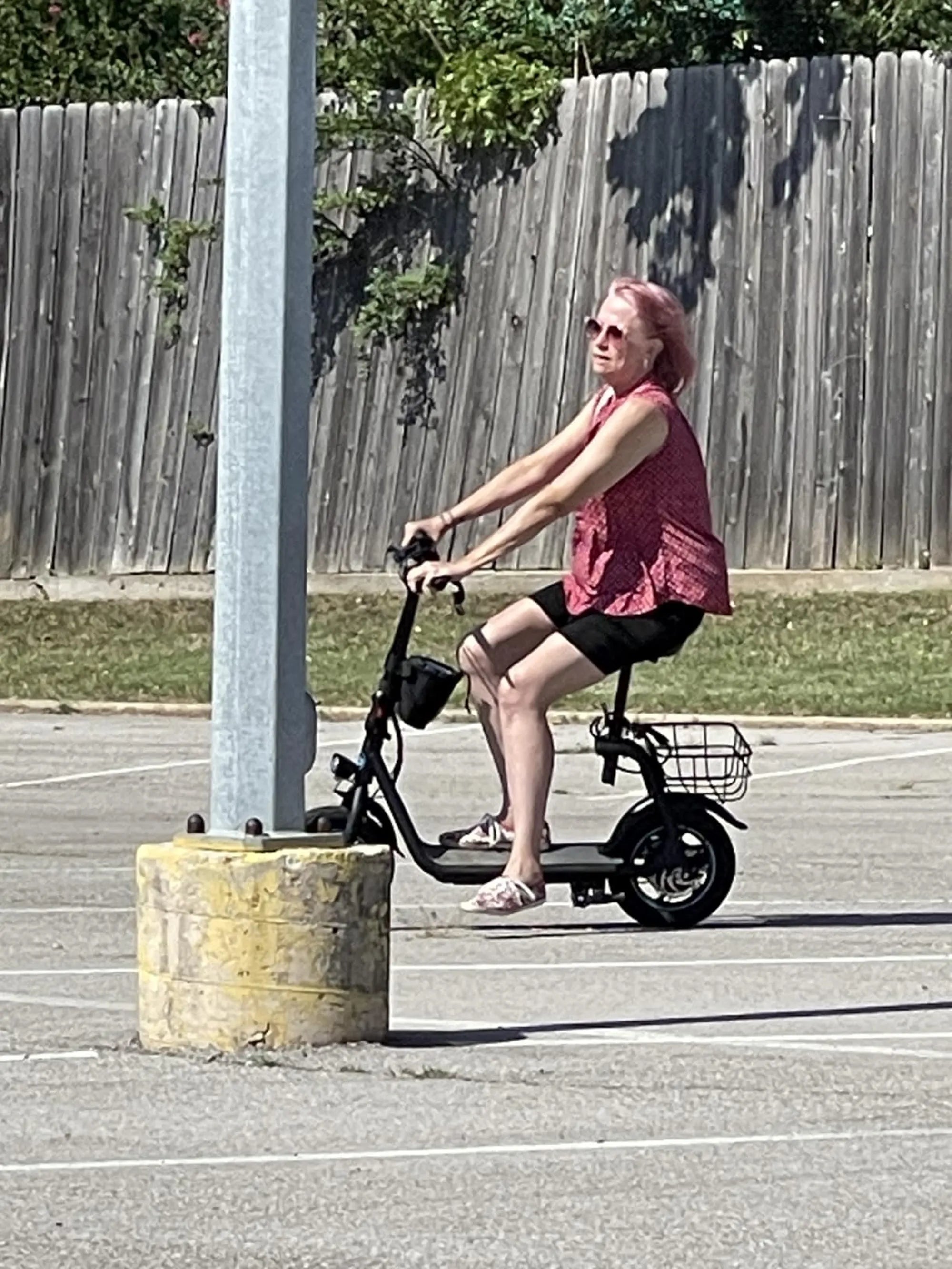
Riding an electric scooter is a breeze—until you hit a bump or feel your ride getting sluggish. The secret to a smooth, efficient, and safe journey often lies in one overlooked detail: tire pressure. So, how much PSI for electric scooter tires is just right? Let’s dive into the science and practical tips to keep your scooter rolling like a dream.
Why Tire Pressure Matters for Electric Scooters
Tire pressure isn’t just about avoiding flat tires—it’s a critical factor in your scooter’s performance, battery efficiency, and overall safety. Underinflated tires increase rolling resistance, forcing the motor to work harder and draining the battery faster. Overinflated tires, on the other hand, reduce traction and make your ride uncomfortably bumpy. Finding the sweet spot ensures a balanced experience.
Recommended PSI for Electric Scooter Tires
Most electric scooters come with either air-filled (pneumatic) or solid (airless) tires. For pneumatic tires, the ideal PSI typically ranges between 30 to 50 PSI, depending on the model and tire size. Smaller tires (8-10 inches) often require higher pressure (40-50 PSI), while larger tires (10+ inches) may perform best at 30-40 PSI. Always check your scooter’s manual for manufacturer-specific recommendations.
How to Check and Adjust Tire Pressure
Keeping your tires at the right PSI is easy with these steps:
- Use a digital tire pressure gauge for accuracy.
- Check pressure when tires are cold (before riding).
- Inflate or deflate using a portable pump with a PSI gauge.
- Recheck pressure after adjustments.
Pro tip: Check your tire pressure at least once a week to maintain optimal performance.
Signs Your Electric Scooter Tires Need Attention
Watch for these red flags:
- Reduced battery range: Underinflation strains the motor.
- Wobbly or unstable handling: Uneven pressure affects balance.
- Excessive vibration: Overinflation transfers road bumps to the rider.
- Visible tire wear: Low pressure causes sidewall damage.
Seasonal Adjustments for Tire Pressure
Temperature changes affect tire pressure. For every 10°F drop, PSI decreases by about 1-2 points. In colder months, you may need to inflate tires slightly more, while summer heat can increase pressure. Monitor regularly to adapt to seasonal shifts.
The Risks of Ignoring Tire Pressure
Neglecting PSI can lead to:
- Punctures: Underinflated tires are prone to pinch flats.
- Reduced braking efficiency: Poor traction increases stopping distance.
- Premature tire wear: Uneven pressure accelerates tread degradation.
Final Tips for Perfect PSI Maintenance
Invest in a quality pump, log your pressure checks, and never eyeball it—always use a gauge. Your electric scooter’s tires are its foundation, and the right PSI ensures every ride is smooth, safe, and efficient.
Ready to transform your electric scooter experience? Start with the tires—because the difference between a good ride and a great one is just a few PSI away.
How to Repair Electric Scooter: A Step-by-Step Guide for Beginners
How to Repair Electric Scooter: A Step-by-Step Guide for Beginners