


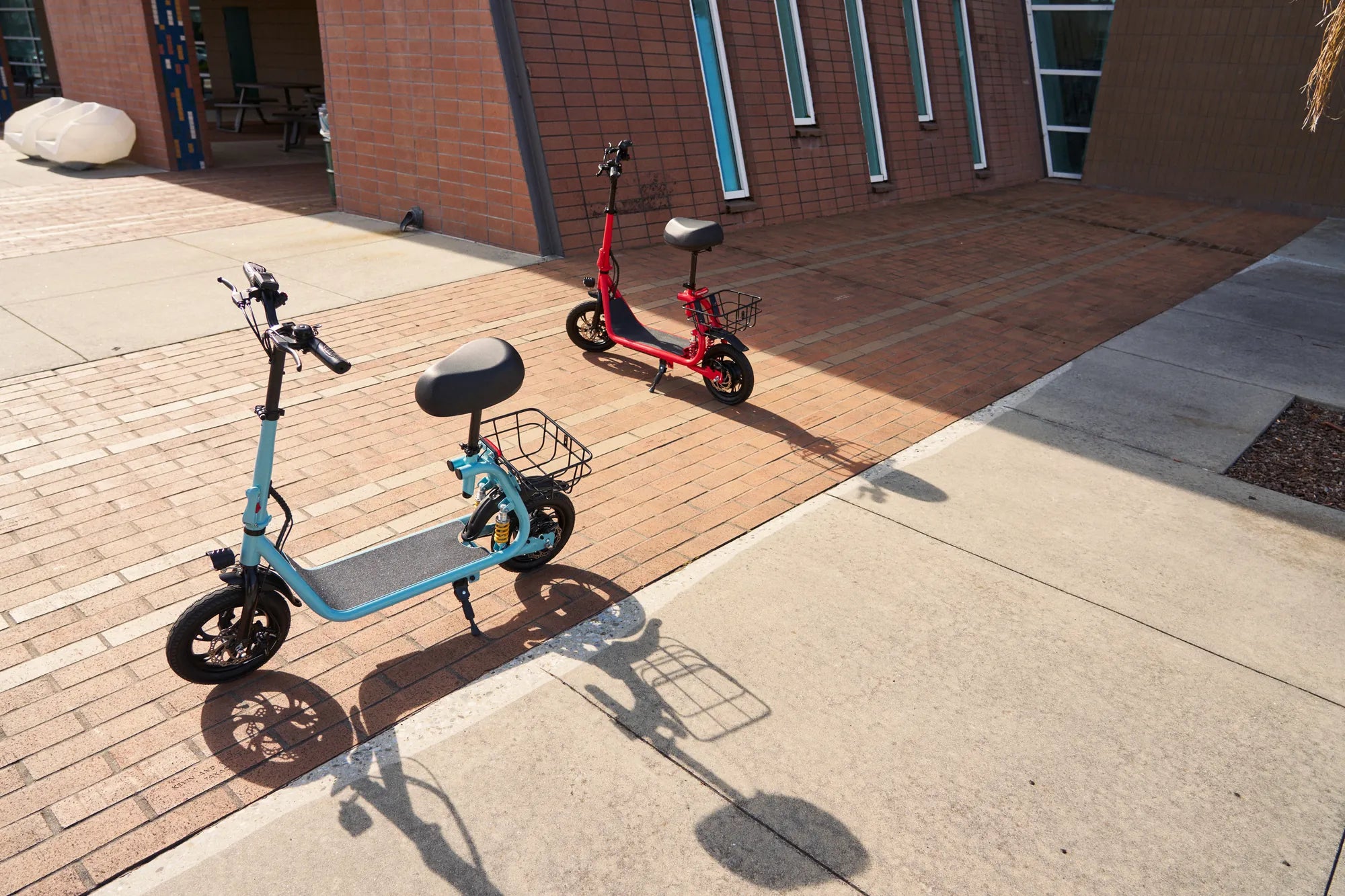
Ever wondered how a self-balancing electric scooter defies gravity and keeps you upright with seemingly no effort? These sleek, futuristic devices have taken personal transportation by storm, blending cutting-edge technology with intuitive design. Whether you're a tech enthusiast or a curious commuter, understanding the inner workings of these scooters will give you a whole new appreciation for the engineering marvel beneath your feet.
The Core Components of a Self-Balancing Electric Scooter
At the heart of every self-balancing electric scooter lies a sophisticated system of sensors, motors, and control mechanisms. The primary components include:
- Gyroscopic Sensors: These detect the scooter's tilt and orientation in real-time.
- Accelerometers: They measure acceleration forces to determine movement and balance.
- Electric Motors: Typically located in the wheels, these provide the necessary thrust.
- Microprocessors: The brain of the scooter, processing sensor data and adjusting motor output.
- Battery Pack: Powers the entire system, often using lithium-ion technology for efficiency.
The Science of Self-Balancing: How It Maintains Equilibrium
The magic happens through a principle called dynamic stabilization. When you lean forward, the gyroscopic sensors detect this movement and send signals to the microprocessor. The processor then calculates the required speed and torque for the wheels to compensate for your lean, keeping you balanced. This happens hundreds of times per second, creating a seamless riding experience.
The system works similarly to how humans maintain balance while walking. Just as your brain automatically adjusts your muscles to prevent falling, the scooter's sensors and processors work in harmony to maintain stability. This continuous feedback loop is what makes the scooter feel so intuitive to ride.
Control Systems and User Input
Riders control the scooter through subtle weight shifts. Leaning forward accelerates the device, while leaning backward slows it down or reverses direction. The control system interprets these shifts as commands:
- The sensors detect the angle and speed of your lean
- The microprocessor calculates the necessary motor response
- The electric motors adjust their speed accordingly
- The system continuously monitors and corrects for balance
This intuitive control method makes self-balancing scooters remarkably easy to learn, often requiring just minutes to master the basics.
Safety Features and Limitations
Modern self-balancing scooters incorporate several safety mechanisms:
- Speed limiters prevent dangerous acceleration
- Tilt alarms warn riders when approaching maximum lean angles
- Low-battery indicators ensure sufficient power for proper balancing
- Overload protection prevents motor burnout
However, these devices do have physical limitations. Steep inclines, rough terrain, and excessive weight can challenge the balancing system. Understanding these boundaries helps riders use their scooters safely and effectively.
The Future of Self-Balancing Technology
As technology advances, we can expect even more sophisticated balancing systems. Potential developments include:
- AI-powered predictive balancing that anticipates rider movements
- Enhanced terrain adaptation for off-road capabilities
- Improved energy efficiency for longer ranges
- Integration with smart city infrastructure
The self-balancing electric scooter represents just the beginning of personal mobility innovation. As these technologies mature, they may revolutionize how we navigate urban environments.
From the precise dance of gyroscopic sensors to the instant calculations of microprocessors, self-balancing electric scooters are engineering marvels that make futuristic transportation accessible today. The next time you see someone gliding effortlessly down the street, you'll appreciate the incredible technology that keeps them upright and moving forward.
Deluxe Velocity Electric Scooter: The Ultimate Ride for Urban Commuters
Adjustable Electric Scooter Seat: The Ultimate Guide to Comfort and Customization