



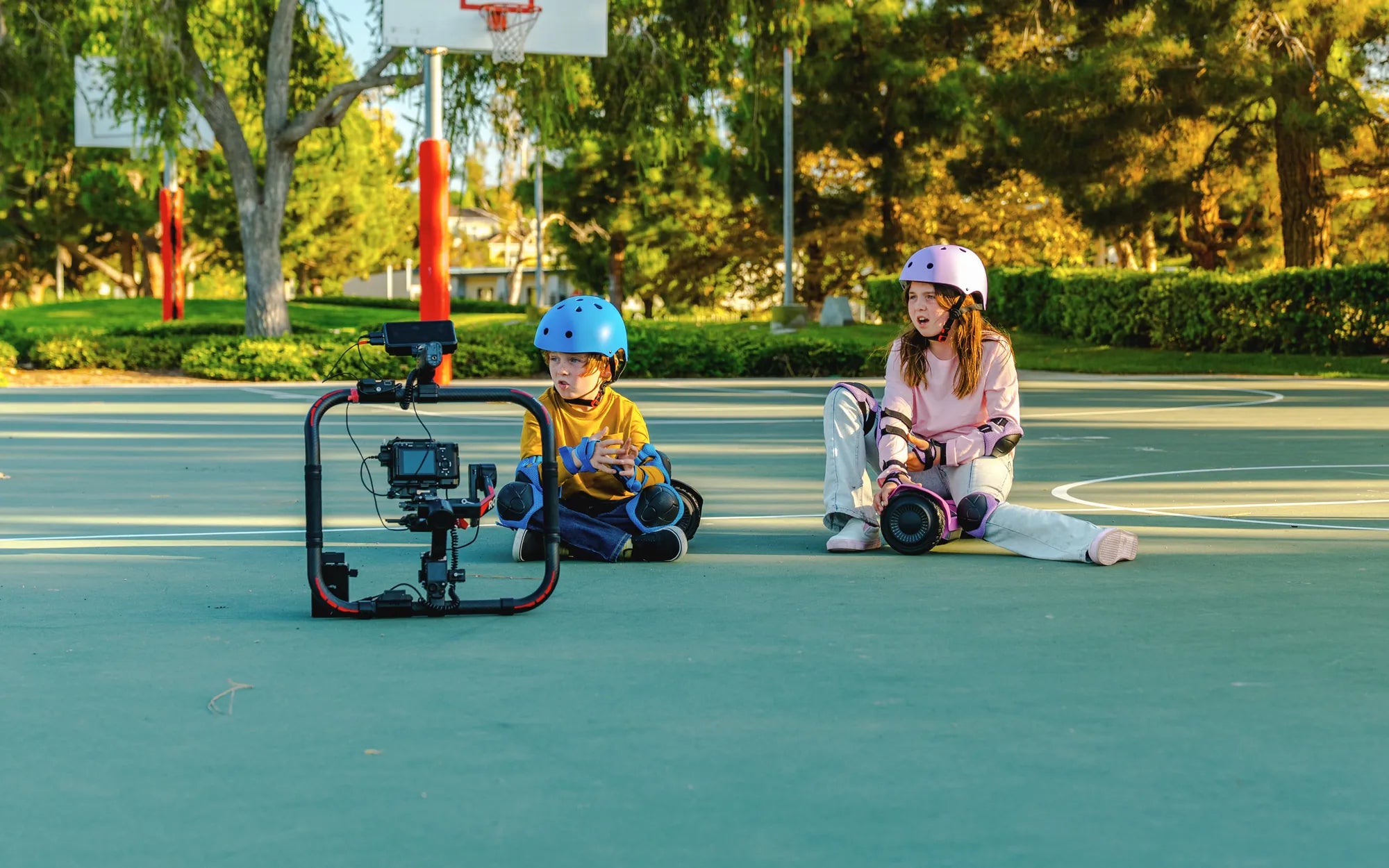
Ever felt like your hoverboard has a mind of its own? Balancing on a hoverboard can be tricky, especially for beginners, but mastering it is the key to a smooth and enjoyable ride. Whether you're a newbie or looking to refine your skills, this guide will walk you through the steps to achieve perfect balance on your hoverboard.
Understanding How Your Hoverboard Works
Before diving into balancing techniques, it's essential to understand how a hoverboard functions. These self-balancing scooters rely on gyroscopic sensors and pressure pads to detect your movements. When you lean forward, the hoverboard moves forward; when you lean back, it slows down or reverses. The key to balancing lies in synchronizing your body movements with the board's sensors.
Step-by-Step Guide to Balancing Your Hoverboard
1. Start on a Flat, Open Surface
Begin your practice on a smooth, level area free from obstacles. A driveway, empty parking lot, or indoor space with enough room to move is ideal. Avoid uneven terrain or slopes until you're confident in your balancing skills.
2. Mounting the Hoverboard Correctly
Place one foot on the hoverboard, ensuring it's centered on the footpad. Once stable, quickly place your other foot on the opposite side. Keep your feet shoulder-width apart for better stability. Avoid looking down at your feet—focus straight ahead to maintain balance.
3. Finding Your Center of Gravity
Stand upright with your knees slightly bent. Distribute your weight evenly between both feet. Avoid leaning too far forward or backward initially. Small, controlled movements are key to staying balanced.
4. Practicing Small Movements
Start by gently shifting your weight forward to move slowly. Use your arms for balance, much like you would when riding a bike. If you feel unsteady, step off calmly and try again. Practice stopping by leaning back slightly and dismounting safely.
5. Turning and Maneuvering
To turn, apply slight pressure with one foot while easing off the other. For example, pressing your right toe down will make the hoverboard turn left. Practice these movements slowly to build confidence.
Common Mistakes and How to Avoid Them
Leaning Too Far Forward or Backward
Over-leaning can cause the hoverboard to accelerate abruptly, leading to falls. Start with subtle shifts in weight and gradually increase as you gain control.
Stiff Posture
Locking your knees or standing rigidly makes balancing harder. Keep your body relaxed and flexible to absorb minor wobbles.
Looking Down
Focusing on your feet disrupts your balance. Instead, look ahead in the direction you want to go.
Advanced Tips for Perfect Balance
Practice on Different Surfaces
Once comfortable on flat ground, try riding on slightly uneven surfaces or gentle slopes to improve your adaptability.
Use Your Core Muscles
Engaging your core helps stabilize your body, making it easier to maintain balance during turns or speed changes.
Regular Maintenance
Ensure your hoverboard's tires are properly inflated and the footpads are clean. A well-maintained hoverboard responds better to your movements.
Safety Precautions
- Always wear a helmet and protective gear.
- Avoid riding in wet or slippery conditions.
- Start at low speeds and gradually increase as you gain confidence.
- Keep your hoverboard charged to prevent sudden shutdowns.
Mastering hoverboard balance takes practice, but once you get the hang of it, you'll glide effortlessly like a pro. Ready to take your riding skills to the next level? Follow these tips, stay patient, and soon you'll be zipping around with confidence and style!
How to Reboot a Hoverboard: A Step-by-Step Guide to Fixing Common Issues
Reasons to Get a Hoverboard: Why This Fun Gadget Is a Must-Have