

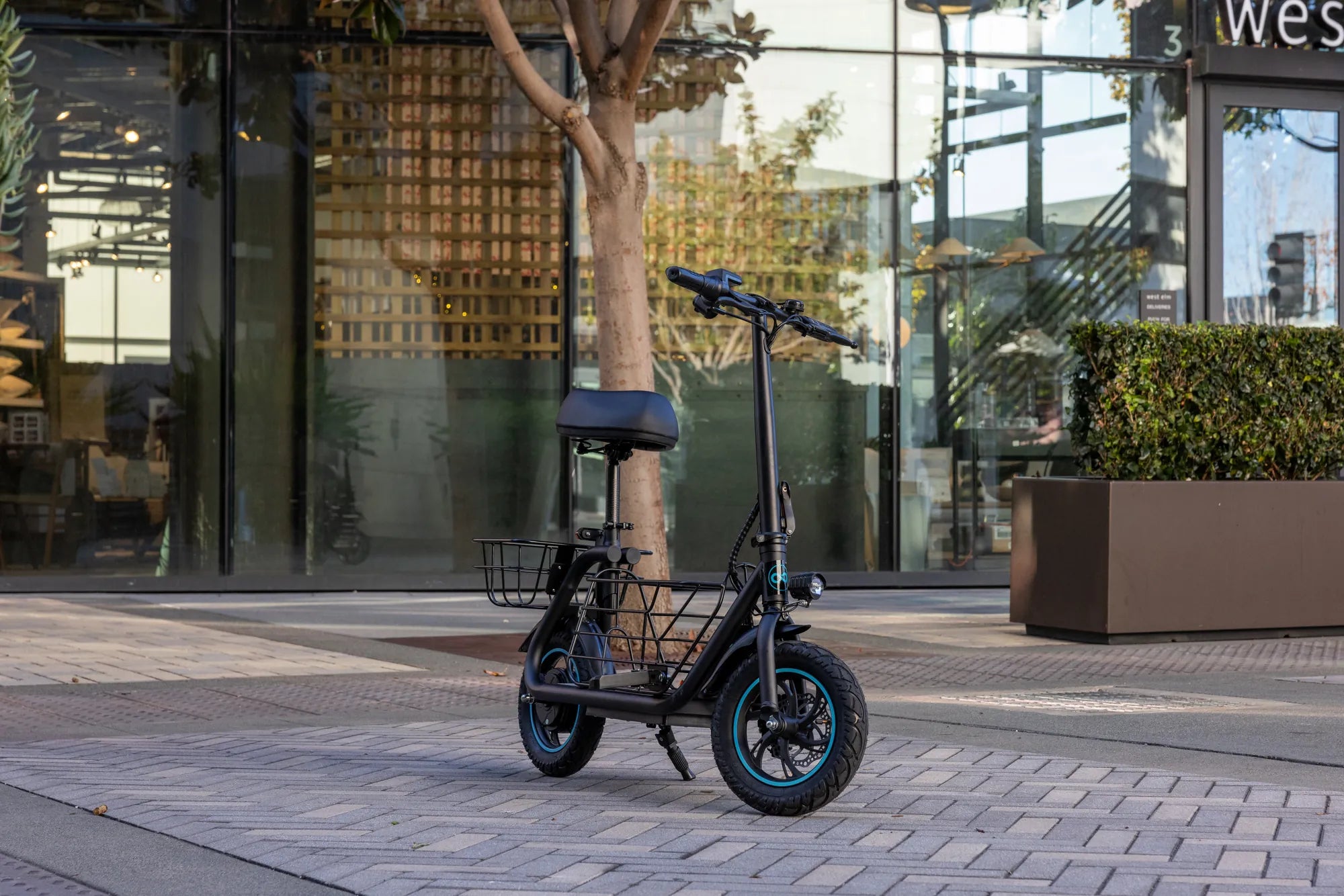
Electric scooters have become a popular mode of transportation, offering convenience and eco-friendly travel. However, keeping your scooter's battery charged is crucial for optimal performance. If you're wondering how to charge your electric scooter battery at home, you're in the right place. This guide will walk you through the process step by step, ensuring your scooter stays powered up and ready to ride.
Understanding Your Electric Scooter Battery
Before charging your electric scooter battery at home, it's essential to understand the type of battery your scooter uses. Most electric scooters come with lithium-ion (Li-ion) or lead-acid batteries. Lithium-ion batteries are lighter, more efficient, and have a longer lifespan, while lead-acid batteries are bulkier but more affordable.
Step-by-Step Guide to Charging Your Electric Scooter Battery at Home
Follow these steps to ensure a safe and effective charging process:
1. Locate the Charging Port
First, find the charging port on your electric scooter. It is usually located near the deck or under the handlebars. Ensure the area around the port is clean and dry before plugging in the charger.
2. Use the Correct Charger
Always use the charger provided by the manufacturer or a compatible replacement. Using an incorrect charger can damage the battery or even pose a fire hazard.
3. Plug the Charger into a Power Outlet
Connect the charger to a standard household power outlet. Avoid using extension cords or power strips, as they may not provide a stable current.
4. Monitor the Charging Process
Most electric scooter batteries take 4-6 hours to charge fully. Keep an eye on the charging indicator light, which typically turns green when the battery is fully charged. Avoid overcharging, as it can reduce battery life.
Tips for Extending Your Battery's Lifespan
To get the most out of your electric scooter battery, follow these best practices:
Avoid Extreme Temperatures
Charge and store your scooter in a cool, dry place. Extreme heat or cold can damage the battery and reduce its efficiency.
Charge Regularly
Don't wait for the battery to drain completely before charging. Partial charges are better for lithium-ion batteries than full discharges.
Store with a Partial Charge
If you won't be using your scooter for an extended period, store it with a 50-70% charge. This helps maintain battery health.
Safety Precautions When Charging at Home
Charging your electric scooter battery at home is generally safe, but it's important to take precautions:
Never Leave Charging Unattended
Always supervise the charging process to prevent overheating or other issues.
Keep Away from Flammable Materials
Place the scooter and charger on a non-flammable surface, away from curtains, paper, or other combustible items.
Unplug When Fully Charged
Disconnect the charger once the battery is fully charged to avoid overcharging and potential damage.
Troubleshooting Common Charging Issues
If you encounter problems while charging your electric scooter battery, try these solutions:
Battery Not Charging
Check the power outlet, charger, and charging port for any issues. Ensure all connections are secure.
Slow Charging
If the battery takes longer than usual to charge, it may be due to a faulty charger or a worn-out battery. Consider consulting a professional.
Overheating
If the battery or charger becomes excessively hot, unplug immediately and allow it to cool before attempting to charge again.
Charging your electric scooter battery at home doesn't have to be complicated. By following these guidelines, you can ensure a safe, efficient, and long-lasting battery life. Ready to hit the road with a fully charged scooter? Start implementing these tips today!
St Louis Mountain Biking: Trails, Tips, and Thrills for Every Rider
Best Electric Touring Bike: The Ultimate Guide for Long-Distance Riders