


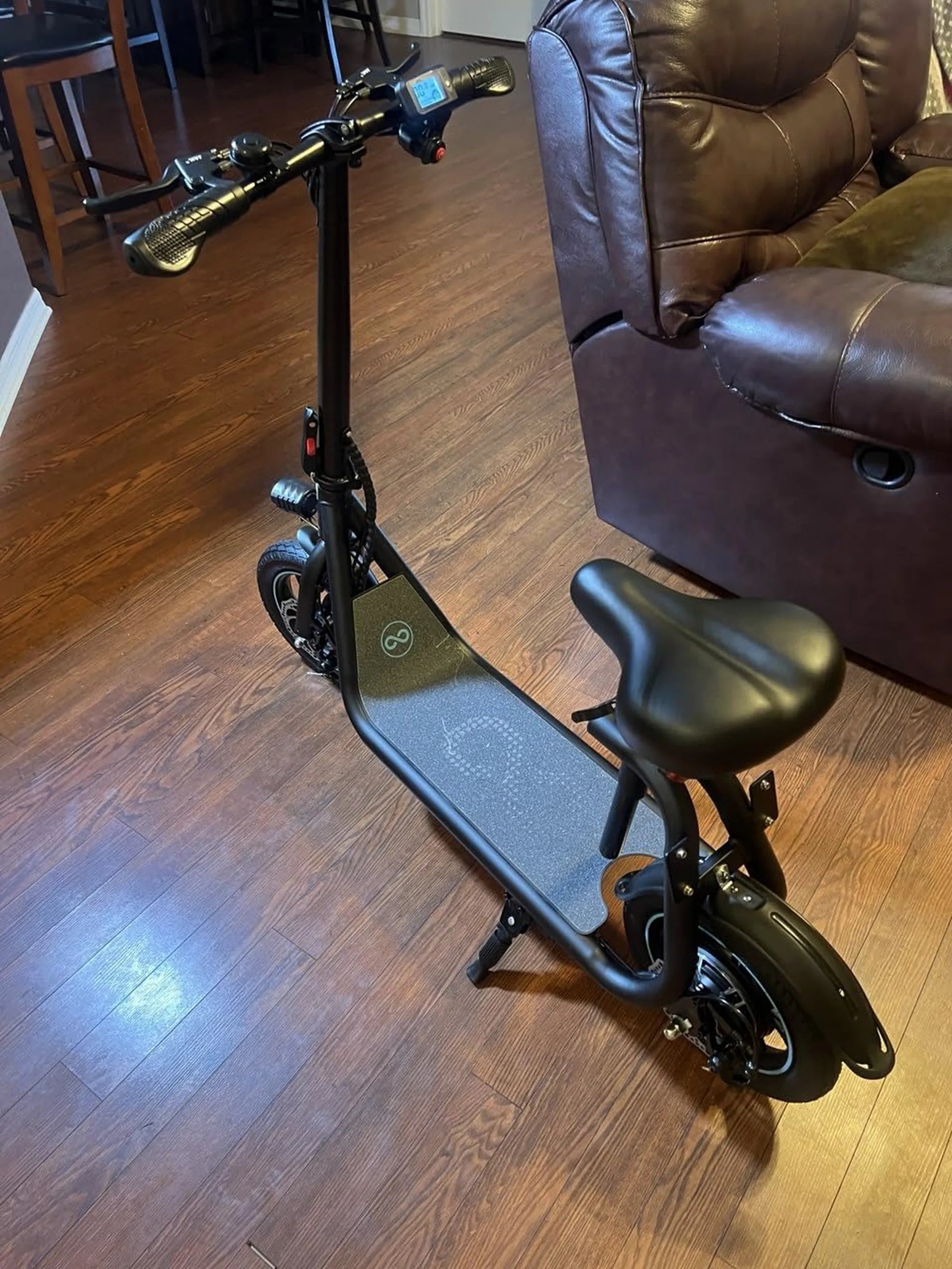
Electric bikes are revolutionizing the way we commute, offering an eco-friendly and efficient alternative to traditional transportation. But to keep your e-bike running smoothly, knowing how to charge my electric bike properly is essential. A well-maintained battery not only extends your bike's range but also its overall lifespan. Whether you're a new rider or a seasoned cyclist, this guide will walk you through the dos and don'ts of e-bike charging.
Understanding Your Electric Bike Battery
Before diving into charging techniques, it's important to understand the type of battery your e-bike uses. Most modern electric bikes come with lithium-ion batteries due to their lightweight, high energy density, and long cycle life. Knowing your battery's voltage (typically 36V or 48V) and capacity (measured in ampere-hours, Ah) will help you determine the right charging approach.
Step-by-Step Guide to Charging Your Electric Bike
1. Use the Right Charger
Always use the charger provided by your e-bike manufacturer or a compatible replacement. Using an incorrect charger can damage the battery or even pose a safety risk.
2. Check the Battery Before Charging
Inspect the battery for any signs of damage, such as cracks, leaks, or swelling. If you notice any issues, avoid charging and consult a professional.
3. Plug in the Charger Correctly
Connect the charger to the battery first, then plug it into a wall outlet. This sequence helps prevent power surges that could harm the battery.
4. Monitor the Charging Process
Most e-bike chargers have indicator lights showing the charging status. A red light usually means charging is in progress, while green indicates a full charge. Avoid leaving the battery plugged in for extended periods after it's fully charged.
5. Store the Battery Properly
If you won't be using your e-bike for a while, store the battery at around 50-60% charge in a cool, dry place. Extreme temperatures can degrade battery performance over time.
Best Practices for Extending Battery Life
- Avoid deep discharges: Try not to let your battery drop below 20% charge too frequently.
- Charge at room temperature: Extreme cold or heat can affect charging efficiency.
- Don't overcharge: While most modern chargers have automatic shut-off, it's still best to unplug once fully charged.
- Regular use is good: Lithium-ion batteries benefit from regular charging cycles rather than sitting idle for long periods.
Common Charging Mistakes to Avoid
Many e-bike owners unknowingly shorten their battery's lifespan through these common errors:
- Charging immediately after a long ride (let the battery cool down first)
- Using fast chargers too frequently (they generate more heat)
- Storing the bike with a completely drained battery
- Exposing the battery to moisture while charging
Troubleshooting Charging Issues
If you're having trouble charging your e-bike, try these steps:
- Check all connections between the charger, battery, and power outlet
- Try a different power outlet to rule out electrical issues
- Inspect the charger for any visible damage
- Reset your bike's battery management system (if applicable)
Mastering how to charge my electric bike properly is the key to enjoying years of reliable, eco-friendly transportation. By following these simple guidelines, you'll not only extend your battery's life but also ensure your e-bike is always ready for your next adventure. Remember, a little care goes a long way in keeping your electric bike performing at its best!
Melrose Mountain Biking: The Ultimate Guide to Trails, Tips, and Thrills
Smart Electric Mobility Scooter Price Range: What You Need to Know