

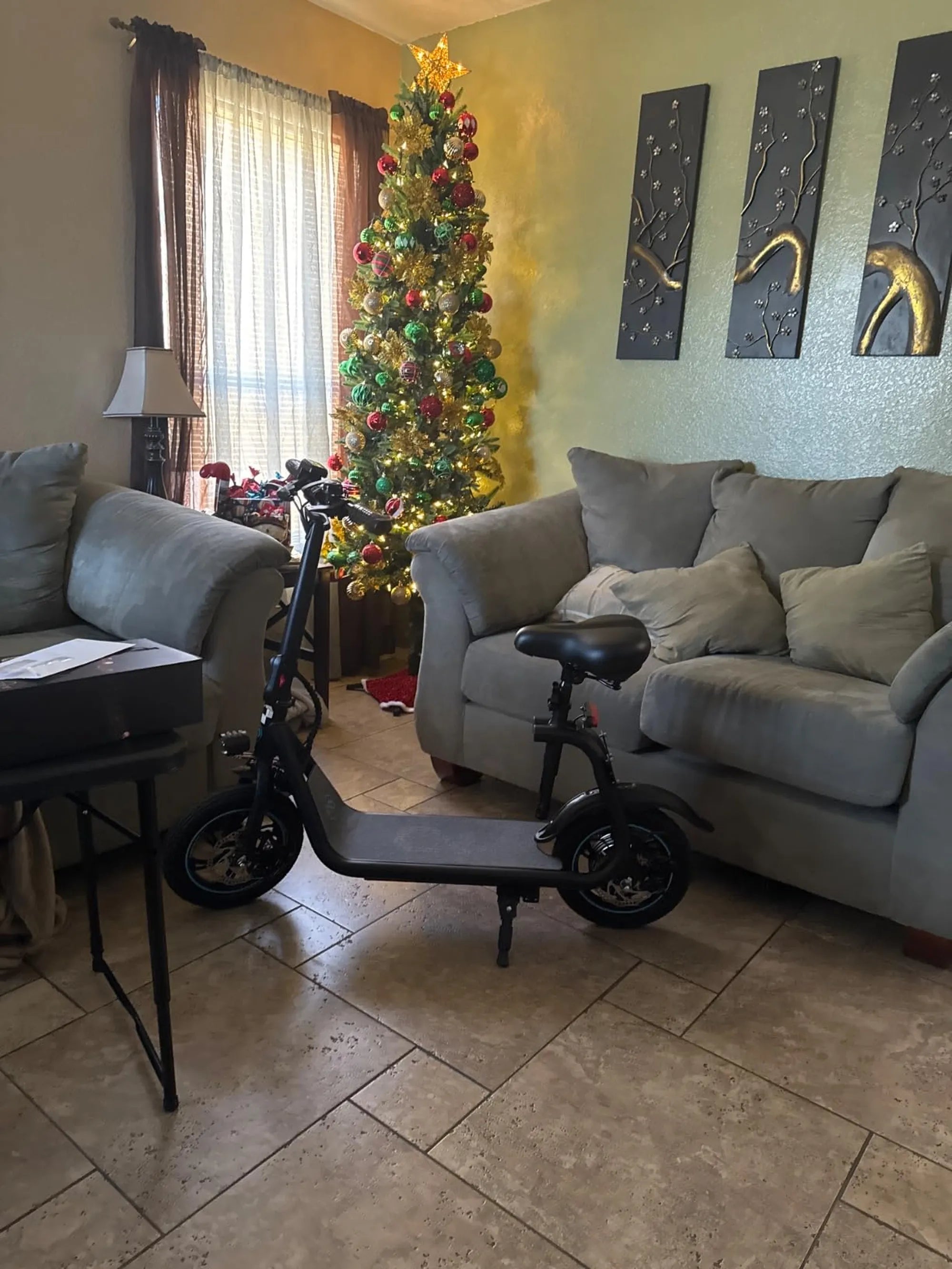
Riding a scooter is one of the most liberating experiences you can have on the road. Whether you're looking for an efficient way to commute or simply want to enjoy the thrill of two-wheeled travel, mastering how to drive a scooter is easier than you might think. With the right guidance, you'll be zipping through traffic and exploring new routes in no time.
Getting Familiar with Your Scooter
Before you even think about hitting the road, take some time to get to know your scooter. Familiarize yourself with the controls, including the throttle, brakes, turn signals, and mirrors. Adjust the mirrors so you have a clear view of the road behind you, and make sure you can comfortably reach all the controls while seated.
Pre-Ride Safety Checks
Always perform these essential checks before every ride:
- Tire pressure and tread condition
- Brake function and fluid levels
- Lights and turn signals
- Fuel level
- General condition of the scooter
Starting Your Scooter
Most modern scooters start with a simple electric starter button. Make sure the scooter is in neutral (if it has gears), turn the key to the 'on' position, and press the starter while gently twisting the throttle. Some scooters may require you to hold the brake lever while starting.
Basic Scooter Controls
Understanding these fundamental controls is crucial:
| Control | Function |
|---|---|
| Right Handlebar | Throttle (accelerator) and front brake |
| Left Handlebar | Rear brake and turn signals |
| Foot Area | Foot brake (on some models) and gear shift (if applicable) |
Mounting and Balancing
Approach the scooter from the left side. Place your left foot on the ground and swing your right leg over the seat. Keep both feet on the ground until you're ready to move. When starting out, practice balancing the scooter while stationary to get a feel for its weight.
Starting to Move
With both hands on the handlebars and your feet in position (one on the ground, one on the footrest), gently twist the throttle while slowly releasing the brake. As the scooter begins to move, bring your other foot up onto the footrest. Start slowly in a safe, open area to practice acceleration and braking.
Steering and Turning
Scooters are steered differently than bicycles. Instead of turning the handlebars sharply, you'll use subtle weight shifts and countersteering. For right turns, gently push forward on the right handlebar while leaning slightly right. The opposite applies for left turns.
Braking Techniques
Proper braking is essential for safe scooter operation:
- Use both brakes simultaneously for maximum stopping power
- Apply gradual pressure rather than sudden, hard braking
- Practice emergency stops in a safe environment
- Remember that wet conditions require longer stopping distances
Shifting Gears (If Applicable)
While many scooters are automatic, some have manual transmissions. If yours has gears:
- Pull in the clutch lever (left handlebar)
- Use your left foot to shift up or down
- Gradually release the clutch while giving throttle
Road Positioning and Awareness
When riding on roads:
- Stay in the center of your lane to be more visible
- Maintain a safe following distance from vehicles ahead
- Be aware of blind spots when riding near larger vehicles
- Scan ahead for potential hazards like potholes or debris
Cornering and Curves
Approach curves at a safe speed. Look through the turn to where you want to go, not at the ground immediately in front of you. Lean with the scooter, keeping your body upright relative to the road surface. Avoid braking sharply while leaning.
Riding in Traffic
Urban riding requires extra vigilance:
- Be predictable in your movements
- Use turn signals well in advance
- Watch for opening car doors in urban areas
- Be especially cautious at intersections
Parking Your Scooter
When parking:
- Choose a level, stable surface
- Use the center stand if available for maximum stability
- Turn the handlebar to the left to make it harder to roll
- Consider using a disc lock or other security device
Essential Safety Gear
Never ride without proper protective equipment:
- DOT-approved helmet
- Eye protection
- Sturdy jacket and pants
- Gloves
- Over-the-ankle footwear
Practice Makes Perfect
Start in a safe, empty parking lot to practice basic maneuvers:
- Straight-line riding
- Turning and cornering
- Acceleration and braking
- Emergency stops
- Slow-speed control
Now that you've learned the fundamentals of how to drive a scooter, it's time to hit the road with confidence. Remember that every expert rider was once a beginner - with practice and patience, you'll soon be enjoying all the freedom and fun that scooter riding offers. Just imagine the wind in your face as you navigate city streets or cruise along country roads, all while saving money on gas and parking!
Big Wheel Trike Motorcycle: The Ultimate Ride for Adventure and Style
Pride Scooter Basket Parts: Essential Upgrades for Convenience and Style