



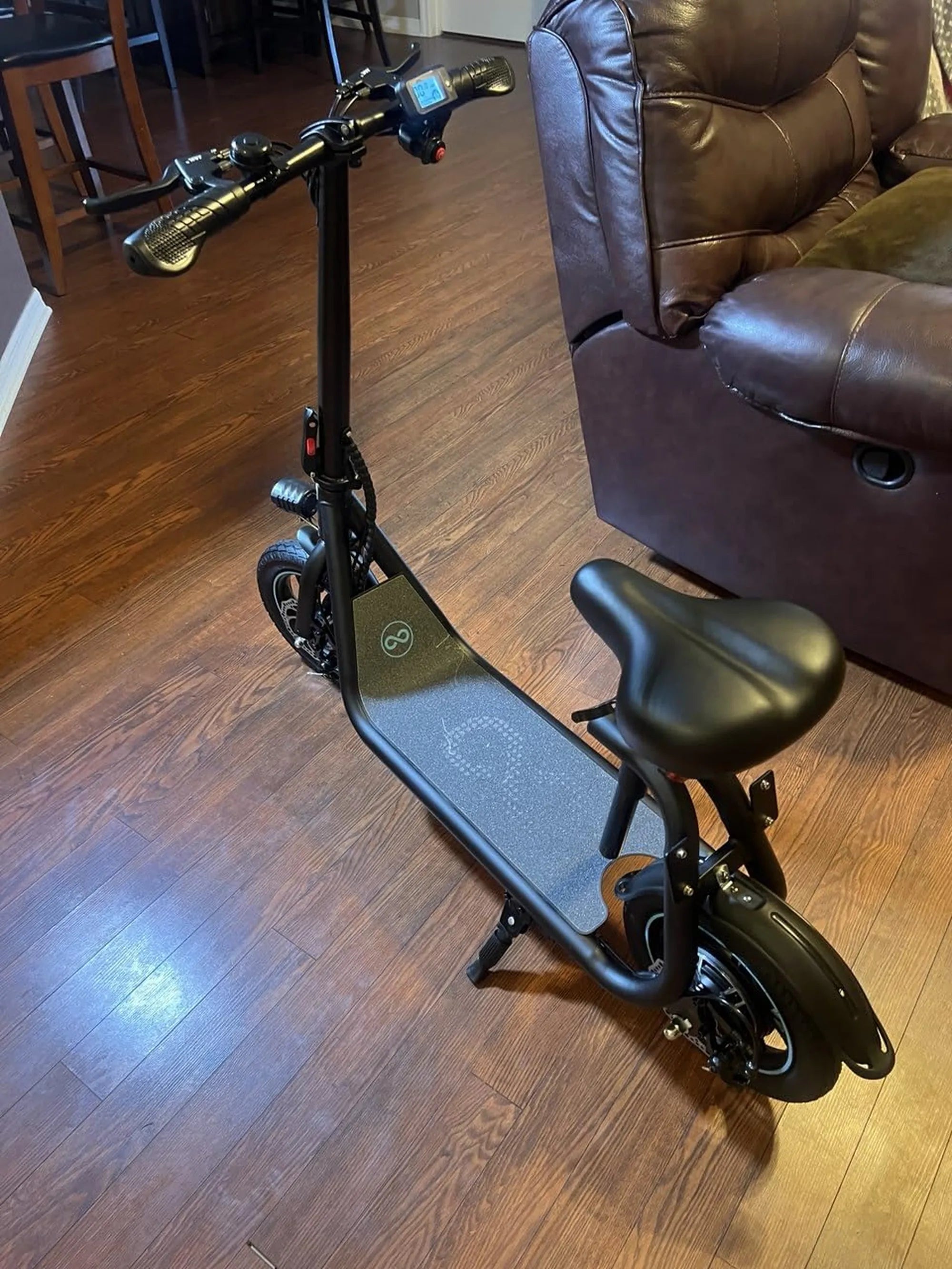
Riding a scooter is a fun and efficient way to get around, but maintaining balance can be tricky, especially for beginners. Whether you're commuting or just enjoying a leisurely ride, learning how to keep your balance is essential for safety and control. Let's dive into the best practices to help you stay upright and confident on your scooter.
Understanding the Basics of Scooter Balance
Balance is the foundation of scooter riding. Unlike bicycles, scooters have smaller wheels and a shorter wheelbase, making them more responsive but also less stable at high speeds. To maintain balance, you need to focus on three key elements: posture, weight distribution, and momentum.
1. Proper Posture
Standing correctly on your scooter is the first step to staying balanced. Keep your feet shoulder-width apart, with one foot slightly forward and the other slightly back. Bend your knees slightly to absorb shocks and maintain flexibility. Your back should be straight, and your head up, looking ahead rather than down at your feet.
2. Weight Distribution
Distribute your weight evenly between both feet, but lean slightly forward when accelerating and slightly backward when braking. Avoid putting too much weight on the handlebars, as this can make the scooter unstable. Instead, let your legs and core do most of the work.
3. Momentum
Balance is easier to maintain when the scooter is moving. Start with gentle pushes to get a feel for the motion, and avoid sudden stops or sharp turns until you're more comfortable. The faster you go, the more stable the scooter becomes, but always stay within a speed you can control.
Common Mistakes That Affect Balance
Even experienced riders can lose balance if they make these common mistakes:
1. Gripping the Handlebars Too Tightly
Tensing up and gripping the handlebars too tightly can make the scooter harder to control. Keep a relaxed grip and let the scooter move naturally beneath you.
2. Looking Down at Your Feet
Looking down disrupts your balance and reduces awareness of your surroundings. Keep your eyes on the path ahead to anticipate obstacles and adjust your stance accordingly.
3. Leaning Too Far in One Direction
Leaning too much to one side can cause the scooter to tip over. Make small, controlled movements to steer and maintain equilibrium.
Advanced Tips for Better Balance
Once you've mastered the basics, try these advanced techniques to improve your balance even further:
1. Practice on Different Surfaces
Riding on smooth pavement is easier, but practicing on uneven or rough terrain can help you develop better balance and adaptability. Start with gentle slopes and gradually challenge yourself with more difficult surfaces.
2. Use Your Arms for Stability
Your arms can act as counterweights to help you stay balanced. Keep them slightly bent and use small movements to adjust your center of gravity.
3. Strengthen Your Core
A strong core improves overall stability. Incorporate exercises like planks and leg raises into your routine to build the muscles that help you stay balanced on your scooter.
Safety Gear to Enhance Balance
Wearing the right safety gear won't directly improve your balance, but it can give you the confidence to practice without fear of injury. A helmet, knee pads, and elbow pads are essential, especially for beginners.
Final Thoughts
Keeping your balance on a scooter takes practice, but with the right techniques, anyone can master it. Start with the basics, avoid common mistakes, and gradually challenge yourself with advanced tips. Before you know it, you'll be gliding smoothly and confidently, enjoying every ride to the fullest.
World First Self Balancing Scooter Price in India: A Comprehensive Guide
Electric Scooter Speed Controller Repair: A Complete Guide to Fixing Common Issues