

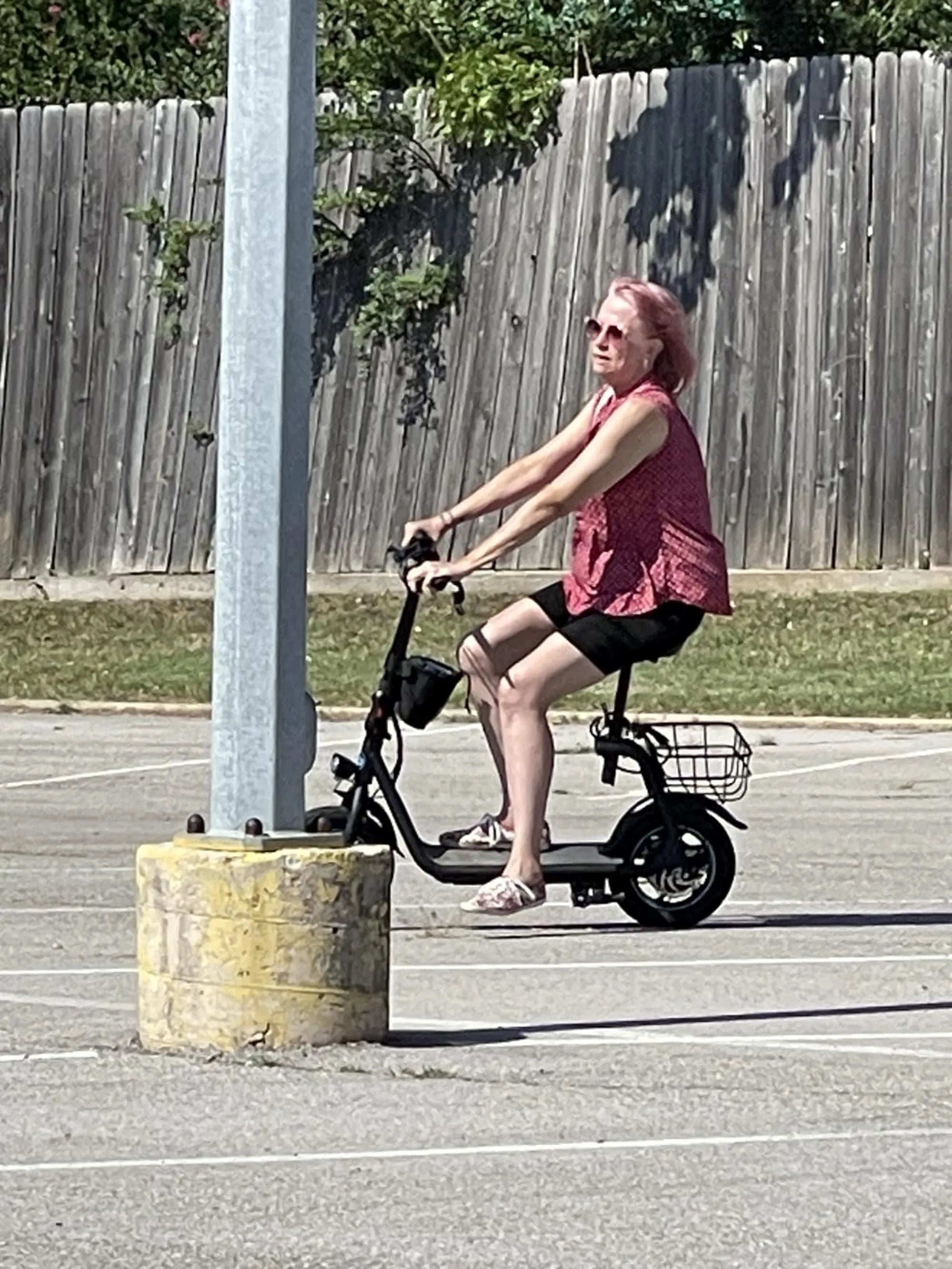
Learning to balance on a scooter might seem daunting at first, but with the right techniques and practice, anyone can master it. Whether you're a beginner or looking to refine your skills, this step-by-step guide will help you build the confidence and control needed for a smooth ride.
Understanding the Basics of Scooter Balance
Before hopping on a scooter, it's important to understand the fundamentals of balance. Balance is the ability to maintain your center of gravity over the scooter's base of support. This requires coordination between your body and the scooter's movements.
1. Start on a Flat, Open Surface
Begin your practice on a flat, open area free from obstacles. A smooth pavement or empty parking lot is ideal. Avoid slopes or uneven terrain until you're more comfortable.
2. Adjust the Scooter to Your Height
Ensure the scooter's handlebars are at a comfortable height. Your arms should be slightly bent when holding them, allowing for better control and maneuverability.
3. Practice Standing on the Scooter
Before moving, practice standing on the scooter with one foot on the deck and the other on the ground. Get a feel for the scooter's stability and your footing.
Mastering the Push-Off and Glide
The push-off is the first step to gaining momentum. Place one foot on the deck and use the other to push off the ground. Start with gentle pushes to get a feel for the motion.
4. Keep Your Weight Centered
As you glide, distribute your weight evenly between both feet. Avoid leaning too far forward or backward, as this can disrupt your balance.
5. Use Your Arms for Stability
Hold the handlebars firmly but not too tightly. Your arms can help you make small adjustments to maintain balance as you move.
Building Confidence with Turns and Stops
Once you're comfortable gliding in a straight line, practice turning and stopping. These skills are crucial for navigating real-world environments.
6. Practice Gentle Turns
Start by making wide turns, gradually reducing the radius as you gain confidence. Lean slightly into the turn while keeping your body aligned with the scooter.
7. Learn to Brake Smoothly
Most scooters have a rear brake. Apply gentle pressure to slow down gradually. Avoid sudden stops, as they can throw you off balance.
Advanced Tips for Better Balance
As you progress, incorporate these advanced techniques to refine your balance and control.
8. Practice One-Foot Gliding
Lift your pushing foot slightly off the ground while gliding to improve single-foot balance. This builds stability and prepares you for more advanced maneuvers.
9. Experiment with Different Terrains
Once you're confident, try riding on slightly uneven surfaces or gentle slopes. This will challenge your balance and improve your adaptability.
10. Stay Relaxed and Focused
Tension can throw off your balance. Keep your body relaxed and your eyes focused ahead, not on your feet. This helps you anticipate and react to changes in terrain.
Balancing on a scooter is a skill that improves with practice and patience. By following these steps and staying consistent, you'll soon be riding with ease and confidence. Ready to take your scooter skills to the next level? Grab your scooter and start practicing today!
Which Is Best: Electric Scooter or Petrol Scooter? A Comprehensive Comparison
How Many KM Does an Electric Scooter Last: A Complete Guide