



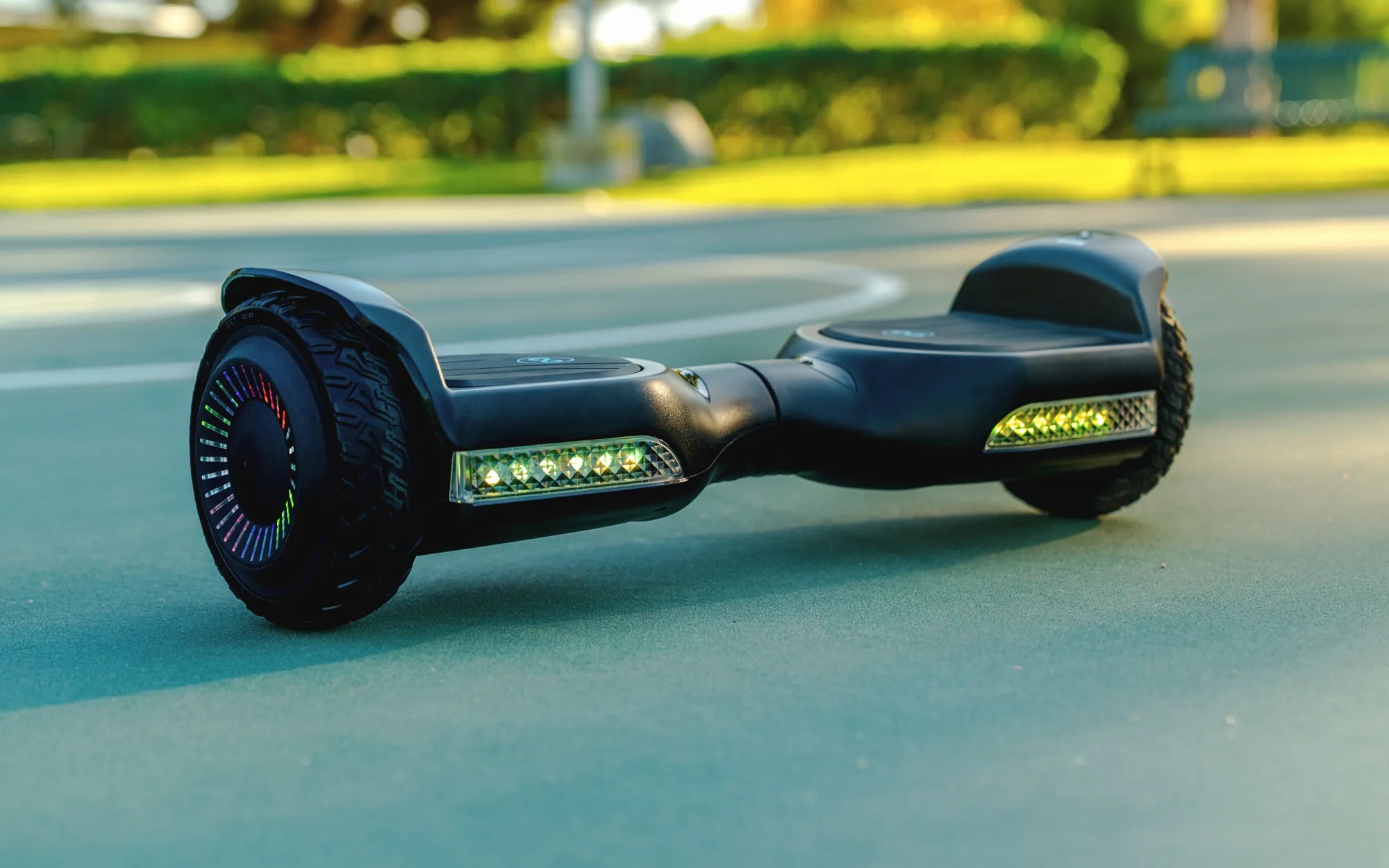
Introduction
Ever dreamed of gliding effortlessly like a futuristic hero? Building your own hoverboard might sound like science fiction, but with the right tools and a bit of patience, it's entirely possible. This guide will walk you through the process of creating a simple hoverboard from scratch, perfect for hobbyists and DIY enthusiasts. Let's dive in!
Understanding the Basics of a Hoverboard
Before jumping into construction, it's essential to grasp how a hoverboard works. At its core, a hoverboard relies on magnetic levitation or air pressure to float above the ground. For this DIY project, we'll focus on a simplified version using easily accessible components.
Materials You'll Need
- Strong neodymium magnets
- Plywood or lightweight plastic board
- Electric motors (small but powerful)
- Battery pack (lithium-ion recommended)
- Wheels or hover pads
- Wiring and connectors
- Basic tools (screwdriver, soldering iron, etc.)
Step 1: Building the Base
Start by cutting your plywood or plastic into a board shape, roughly the size of a skateboard. Sand the edges to ensure smoothness. This will serve as the foundation for your hoverboard.
Step 2: Installing the Motors
Attach the electric motors to the underside of the board, positioning them near the edges for balance. Secure them firmly using screws or strong adhesive. These motors will power the wheels or hover pads.
Step 3: Adding the Magnetic Levitation System
For a basic levitation effect, place neodymium magnets along the bottom of the board. Ensure they are evenly spaced and aligned to create a stable magnetic field. This setup will help the board float slightly above a metallic surface.
Step 4: Wiring the Electronics
Connect the motors to the battery pack using appropriate wiring. Include an on/off switch for safety. If you're comfortable with circuitry, you can add a speed controller for better maneuverability.
Step 5: Testing and Adjustments
Once assembled, test your hoverboard on a flat, metallic surface. Make adjustments to the magnet placement or motor alignment as needed to improve stability and performance.
Safety Tips
- Always wear protective gear when testing.
- Start on a smooth, obstacle-free surface.
- Keep the battery away from extreme heat or water.
Final Thoughts
Building a simple hoverboard is a rewarding project that blends creativity with engineering. While it may not rival commercial models, your DIY creation will surely turn heads and spark conversations. Ready to take the leap? Grab your tools and start crafting your very own hoverboard today!
Hoverboard Questions: Everything You Need to Know Before Buying
Why Does My Hoverboard Not Work: Common Issues and Fixes