



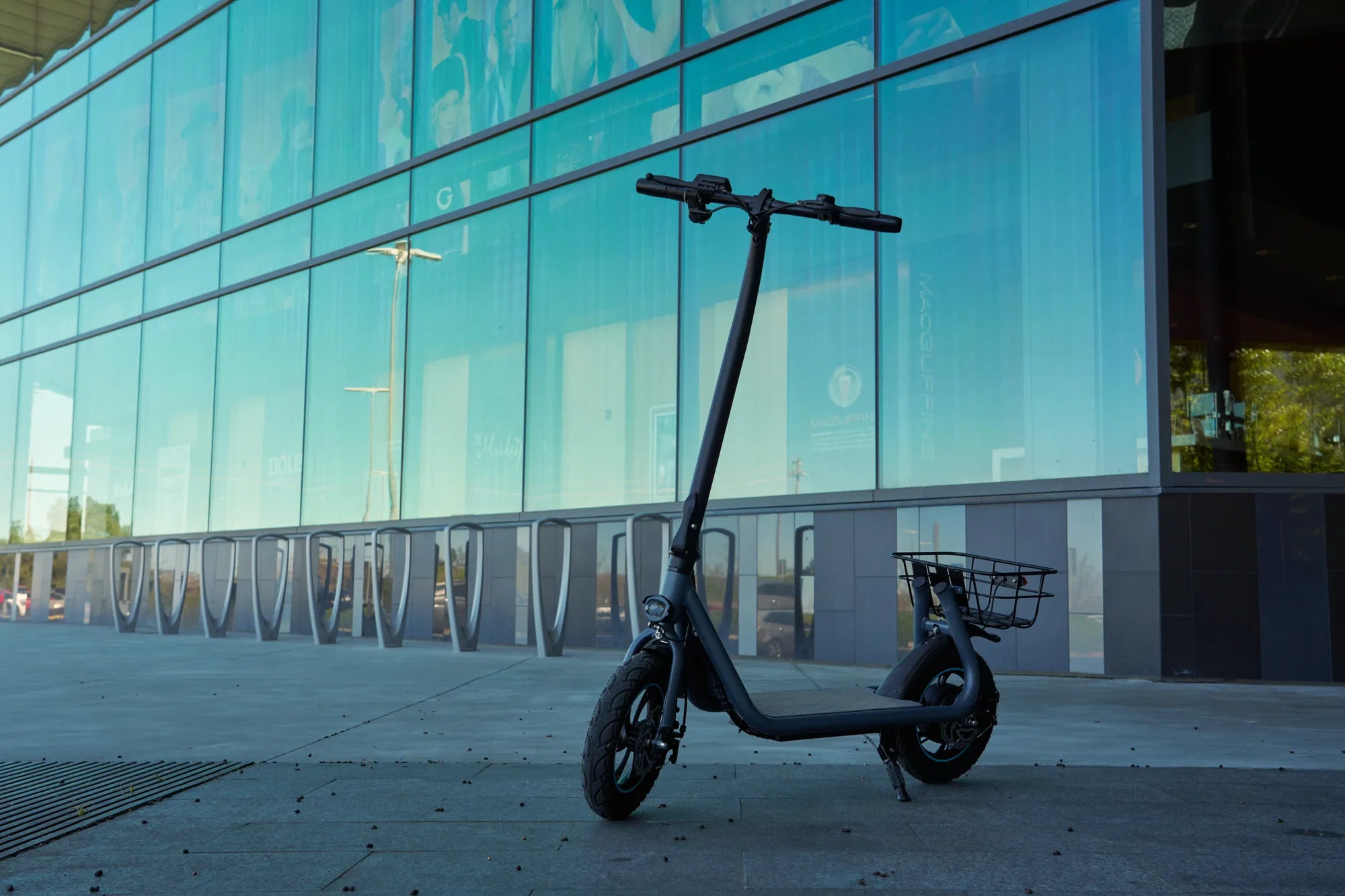
Electric scooters have surged in popularity as a convenient and efficient mode of urban transportation. However, their environmental impact is often overlooked. While they are touted as a greener alternative to cars, the production, usage, and disposal of electric scooters still contribute to carbon emissions and waste. The good news? There are actionable steps to make electric scooters truly environmentally friendly. Let’s explore how.
Sustainable Materials and Manufacturing
One of the most significant ways to reduce the environmental footprint of electric scooters is by using sustainable materials in their construction. Traditional scooters rely heavily on plastics and metals, which are energy-intensive to produce and difficult to recycle. By opting for recycled or biodegradable materials, manufacturers can minimize waste and lower carbon emissions.
Recycled Aluminum and Plastics: Aluminum is a common material in scooter frames due to its lightweight and durable properties. Using recycled aluminum reduces the need for mining and refining, which are highly polluting processes. Similarly, incorporating recycled plastics for components like handlebars and body panels can significantly cut down on plastic waste.
Biodegradable Alternatives: Research into biodegradable composites for scooter parts is gaining traction. These materials break down naturally, reducing landfill waste. For example, plant-based polymers or bamboo fibers can replace traditional plastics in non-structural components.
Energy-Efficient Batteries
The battery is the heart of an electric scooter, but it’s also one of its most environmentally taxing components. Lithium-ion batteries, while efficient, require rare earth metals and involve energy-intensive manufacturing processes. Here’s how to make batteries greener:
Longer Lifespans: Designing batteries to last longer reduces the frequency of replacements, thereby cutting down on waste. Advanced battery management systems (BMS) can optimize charging cycles and prevent over-discharging, extending battery life.
Recycling Programs: Establishing robust battery recycling programs ensures that old batteries don’t end up in landfills. Recovering materials like lithium, cobalt, and nickel reduces the demand for new mining operations.
Alternative Chemistries: Researchers are exploring alternative battery chemistries, such as solid-state or sodium-ion batteries, which could offer greener alternatives to traditional lithium-ion batteries.
Renewable Energy Charging
Electric scooters are only as clean as the energy used to charge them. Relying on fossil-fuel-generated electricity undermines their environmental benefits. Here’s how to make charging more sustainable:
Solar-Powered Charging Stations: Installing solar panels at charging stations can provide a renewable energy source for scooters. This reduces reliance on the grid and lowers overall carbon emissions.
Grid Integration: Encouraging scooter-sharing companies to partner with renewable energy providers ensures that the electricity used for charging comes from wind, solar, or hydro sources.
Efficient Design and Maintenance
A well-designed scooter not only performs better but also has a smaller environmental impact. Here are some design and maintenance considerations:
Lightweight Frames: Reducing the weight of the scooter decreases the energy required to move it, improving efficiency and range. Lightweight materials like carbon fiber or advanced alloys can achieve this without compromising durability.
Modular Components: Designing scooters with modular parts makes repairs easier and extends the product’s lifespan. Instead of replacing the entire scooter, users can swap out worn-out components.
Regular Maintenance: Proper maintenance, such as tire inflation and brake adjustments, ensures the scooter operates at peak efficiency, reducing energy waste.
End-of-Life Management
What happens to electric scooters when they reach the end of their usable life? Proper disposal and recycling are critical to minimizing environmental harm.
Take-Back Programs: Manufacturers can implement take-back programs to collect old scooters for recycling or refurbishment. This ensures that materials are recovered and reused rather than discarded.
Upcycling: Creative upcycling initiatives can repurpose old scooter parts into new products, from furniture to art installations, giving them a second life.
Consumer Awareness and Behavior
Finally, the role of consumers cannot be overstated. Educating riders on eco-friendly practices can amplify the positive impact of electric scooters.
Responsible Riding: Encouraging riders to avoid unnecessary trips or combine errands reduces overall energy consumption. Smooth acceleration and braking also improve efficiency.
Proper Disposal: Informing users about recycling options for batteries and other components ensures that end-of-life scooters are handled responsibly.
Electric scooters have the potential to revolutionize urban mobility while reducing carbon emissions. By adopting sustainable materials, improving battery technology, leveraging renewable energy, and promoting responsible usage, we can make electric scooters a truly green transportation option. The journey toward sustainability starts with small steps—let’s ride toward a cleaner future together.
What Makes a Good Electric Bike: Key Features to Look For
E Scooter Unter 6 km/h: The Ultimate Guide to Safe and Slow Riding