

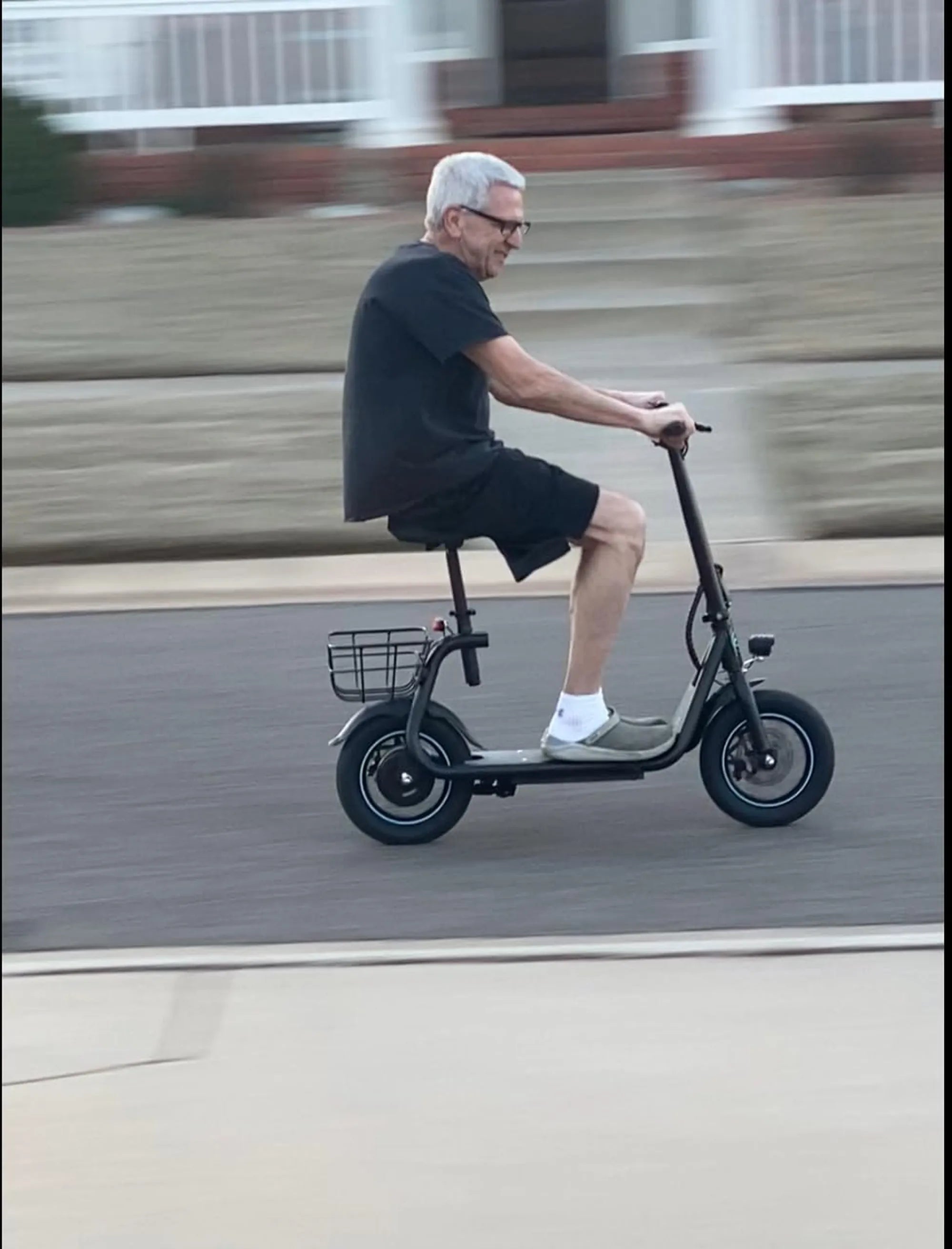
Ever dreamed of effortlessly conquering steep trails with the power of electricity? Converting your mountain bike into an e-bike is a game-changer for riders who want extra assistance without losing the thrill of off-road cycling. Whether you're tackling rugged terrain or simply want to extend your range, an electric conversion can breathe new life into your trusty steed.
Why Convert Your Mountain Bike to Electric?
Electric mountain bikes offer the perfect blend of pedal power and motorized assistance. Unlike factory-made e-bikes, a DIY conversion lets you customize the setup to match your riding style and budget. You'll enjoy benefits like:
- Extended range for longer adventures
- Assistance on challenging climbs
- Customizable power levels
- Cost savings compared to buying a new e-bike
Choosing the Right Conversion Kit
Selecting the proper conversion kit is crucial for optimal performance. Consider these key components:
Motor Types
Three main motor options exist for mountain bike conversions:
- Hub motors: Mounted in the wheel hub (front or rear)
- Mid-drive motors: Integrated with the bike's drivetrain
- Friction drive: Less common but simple to install
Battery Considerations
Your battery choice affects range, weight, and performance:
| Battery Type | Pros | Cons |
|---|---|---|
| Lithium-ion | Lightweight, long lifespan | Higher cost |
| Lead-acid | Affordable | Heavy, shorter lifespan |
Step-by-Step Conversion Process
1. Prepare Your Bike
Start with a thorough inspection of your mountain bike. Check the frame for cracks, ensure brakes work properly, and verify wheel integrity. A tune-up beforehand ensures your bike can handle the additional stress of electric power.
2. Install the Motor
For hub motors, you'll typically replace either the front or rear wheel. Mid-drive installations require removing the bottom bracket and installing the motor in its place. Follow manufacturer instructions carefully and use proper tools.
3. Mount the Battery
Position the battery where it won't interfere with pedaling or handling. Common locations include:
- Down tube
- Rear rack
- Seat post area
Ensure secure mounting to prevent shifting during rides.
4. Connect the Electronics
Route wiring neatly along the frame using zip ties. Connect the motor controller, throttle (if included), and display unit. Double-check all connections before powering on the system.
5. Test and Adjust
Begin with short test rides in a safe area. Check for:
- Proper motor engagement
- Battery life indicators
- Brake cutoff functionality
- Overall handling characteristics
Legal and Safety Considerations
Before hitting the trails, understand local e-bike regulations which typically address:
- Maximum assisted speed limits
- Motor power restrictions
- Helmet requirements
- Trail access for e-bikes
Always wear appropriate safety gear and inform others when testing your new electric mountain bike for the first time.
Maintenance Tips for Your Electric Mountain Bike
Regular maintenance ensures longevity and performance:
- Keep the battery charged between 20-80% for optimal lifespan
- Check electrical connections periodically for corrosion
- Clean the bike after muddy rides, avoiding high-pressure water near electronics
- Inspect wiring for wear or damage
Imagine cresting that impossible hill with energy to spare or exploring further than ever before - your electrified mountain bike makes it possible. With proper planning and installation, you'll unlock a whole new dimension of off-road cycling that combines human effort with electric power seamlessly.
Define Mountain Biking: The Ultimate Guide to Off-Road Cycling Adventures
Dartmouth Mountain Biking: Trails, Tips, and Thrills for Every Rider