


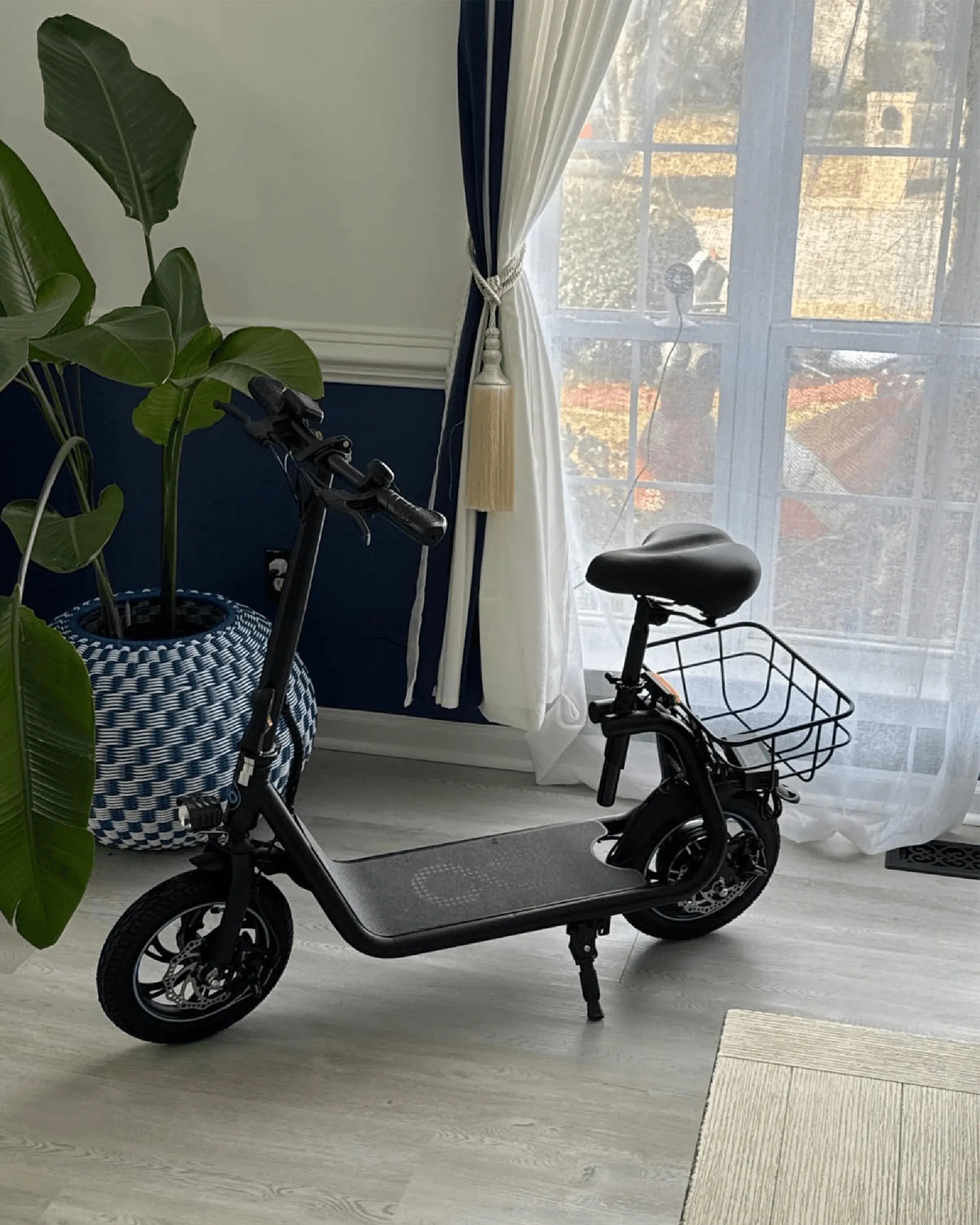
Ever dreamed of zipping through the streets on a silent, eco-friendly electric scooter without breaking the bank? Converting your existing scooter into an electric powerhouse is not only possible—it’s a fun and rewarding DIY project. Whether you’re a seasoned tinkerer or a curious beginner, this guide will walk you through the entire process, ensuring you end up with a smooth, efficient ride.
Why Convert Your Scooter to Electric?
Electric scooters offer numerous advantages over their gas-powered counterparts. They’re quieter, cheaper to maintain, and produce zero emissions. By converting your scooter, you’re not only saving money but also contributing to a greener planet. Plus, the satisfaction of riding a machine you’ve built yourself is unbeatable.
Essential Components for the Conversion
Before diving into the conversion, you’ll need to gather the right parts. Here’s a checklist of the key components:
- Electric Motor: Choose a motor that matches your scooter’s size and desired speed.
- Battery Pack: Lithium-ion batteries are popular for their lightweight and long lifespan.
- Controller: This regulates power flow between the battery and motor.
- Throttle: A twist-grip or thumb throttle to control speed.
- Charging System: Ensure compatibility with your battery type.
- Wiring and Connectors: High-quality cables to handle the electrical load.
Step-by-Step Conversion Process
Step 1: Remove the Gas Engine
Start by disconnecting and removing the internal combustion engine. This includes the fuel tank, exhaust, and associated wiring. Keep the frame intact, as it will house your new electric components.
Step 2: Install the Electric Motor
Mount the electric motor in place of the old engine. Ensure it’s securely fastened and aligned with the drivetrain. You may need custom brackets depending on your scooter’s design.
Step 3: Connect the Battery and Controller
Position the battery pack in a balanced location, typically under the seat or in the footwell. Connect it to the controller, which will then link to the motor. Double-check all wiring to avoid short circuits.
Step 4: Install the Throttle and Dashboard
Replace the old throttle with an electric one and connect it to the controller. If desired, add a digital dashboard to monitor speed, battery life, and other metrics.
Step 5: Test and Fine-Tune
Before hitting the road, test your scooter in a safe, open area. Check for smooth acceleration, braking, and overall stability. Adjust the controller settings if needed to optimize performance.
Safety Tips and Maintenance
Electric scooters are generally low-maintenance, but a few precautions will ensure longevity and safety:
- Regularly inspect wiring and connections for wear or corrosion.
- Keep the battery charged but avoid overcharging.
- Use waterproof covers for exposed components if riding in wet conditions.
Legal Considerations
Before riding your converted scooter, check local regulations. Some areas require registration or have specific rules for electric vehicles. Ensure your scooter complies with speed and power limits to avoid fines.
Ready to revolutionize your ride? Converting your scooter to electric is a game-changer—offering freedom, savings, and a cleaner way to commute. With the right tools and a bit of patience, you’ll be cruising silently and sustainably in no time.
What Is the Legal Speed for Electric Bike: A Complete Guide
Cheapest Best Electric Bike: Top Picks for Budget-Friendly Rides