



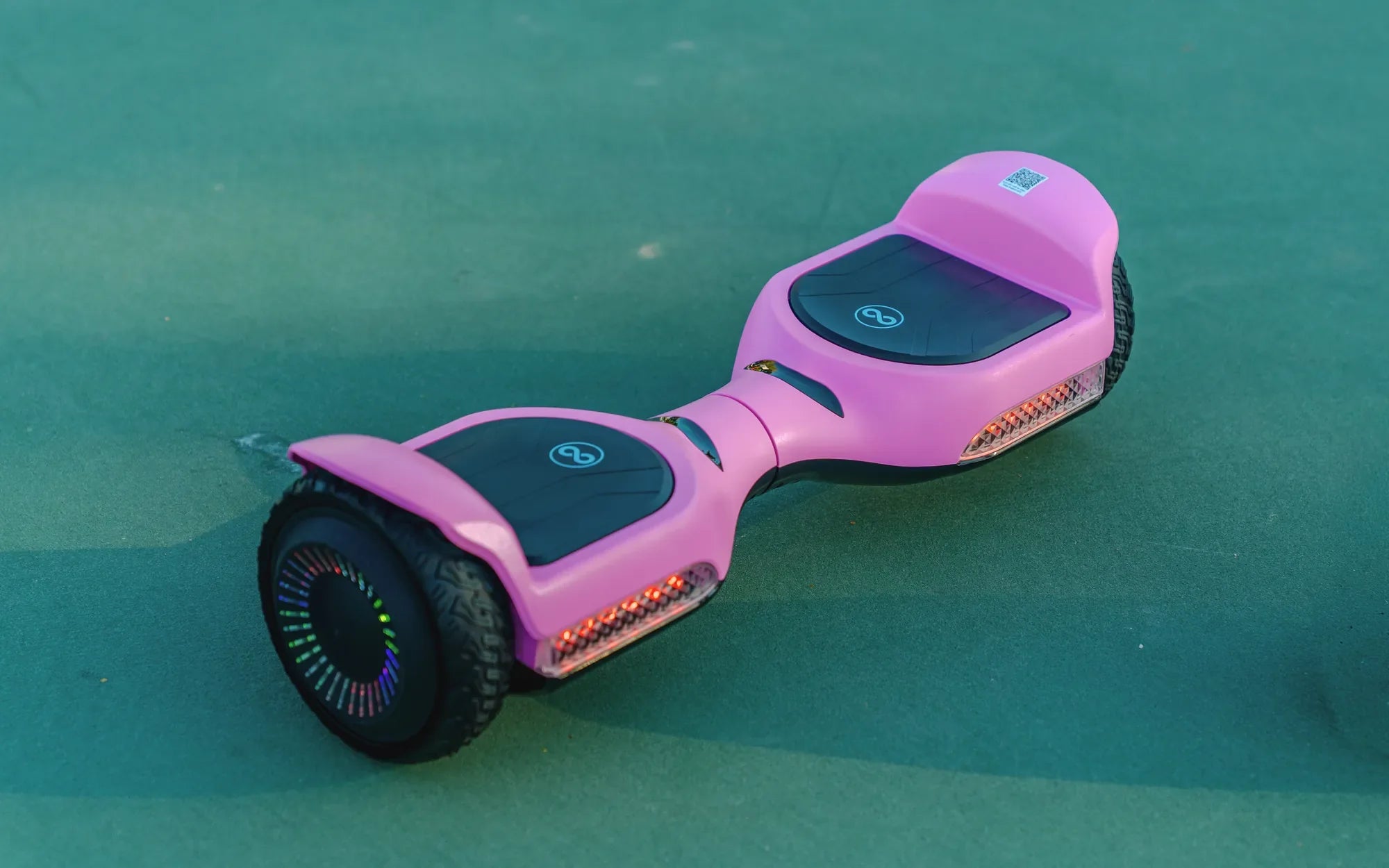
Hoverboards have become a popular mode of transportation and entertainment, but their lithium-ion batteries can sometimes lead to dangerous fires. Understanding how to prevent hoverboard fires is crucial for ensuring safety while enjoying this modern gadget. By following a few key precautions, you can minimize risks and ride with confidence.
Why Do Hoverboards Catch Fire?
Most hoverboard fires are caused by faulty batteries, overheating, or improper charging. Lithium-ion batteries, while efficient, can become unstable if damaged, overcharged, or exposed to extreme temperatures. Poor manufacturing quality and counterfeit products also increase the risk of fires.
How to Prevent Hoverboard Fires
1. Buy from Reputable Sellers
Always purchase hoverboards from trusted retailers and manufacturers. Cheap, uncertified models may cut corners on safety features, increasing the risk of battery malfunctions.
2. Check for Safety Certifications
Look for hoverboards that meet safety standards such as UL 2272 certification. This ensures the device has undergone rigorous testing for electrical and fire safety.
3. Use the Correct Charger
Only use the charger that comes with your hoverboard. Third-party chargers may deliver incorrect voltage, leading to overheating and potential fires.
4. Avoid Overcharging
Never leave your hoverboard charging overnight or unattended. Overcharging can cause the battery to overheat, increasing fire risks.
5. Store in a Cool, Dry Place
Extreme heat or cold can damage lithium-ion batteries. Store your hoverboard in a temperature-controlled environment away from direct sunlight.
6. Inspect for Damage
Regularly check your hoverboard for signs of wear, such as frayed wires, swelling batteries, or unusual smells. If you notice damage, stop using it immediately.
7. Charge on a Non-Flammable Surface
Charge your hoverboard on a hard, non-flammable surface like a tile floor rather than carpets or beds. This reduces the risk of fire spreading if overheating occurs.
8. Don’t Ride Immediately After Charging
Let your hoverboard cool down for at least 15 minutes after charging before riding. This prevents overheating from prolonged battery use.
9. Keep Away from Water
Water exposure can damage the battery and electrical components, increasing fire hazards. Avoid riding in wet conditions or near pools.
10. Dispose of Old Batteries Properly
If your hoverboard battery is no longer holding a charge or shows signs of damage, recycle it at a certified e-waste facility. Never throw lithium-ion batteries in the trash.
What to Do If a Fire Starts
If your hoverboard catches fire, unplug it immediately if safe to do so. Use a Class D fire extinguisher (designed for lithium fires) or smother the flames with sand or baking soda. Never use water, as it can worsen a lithium fire. Evacuate the area and call emergency services.
By following these safety measures, you can significantly reduce the risk of hoverboard fires and enjoy a worry-free ride. Stay vigilant, prioritize quality, and always handle your device with care to keep yourself and your surroundings safe.
How Much Does a Hoverboard Weigh in kg: A Comprehensive Guide
Why Won't My Hoverboard Turn Off: Troubleshooting and Solutions