



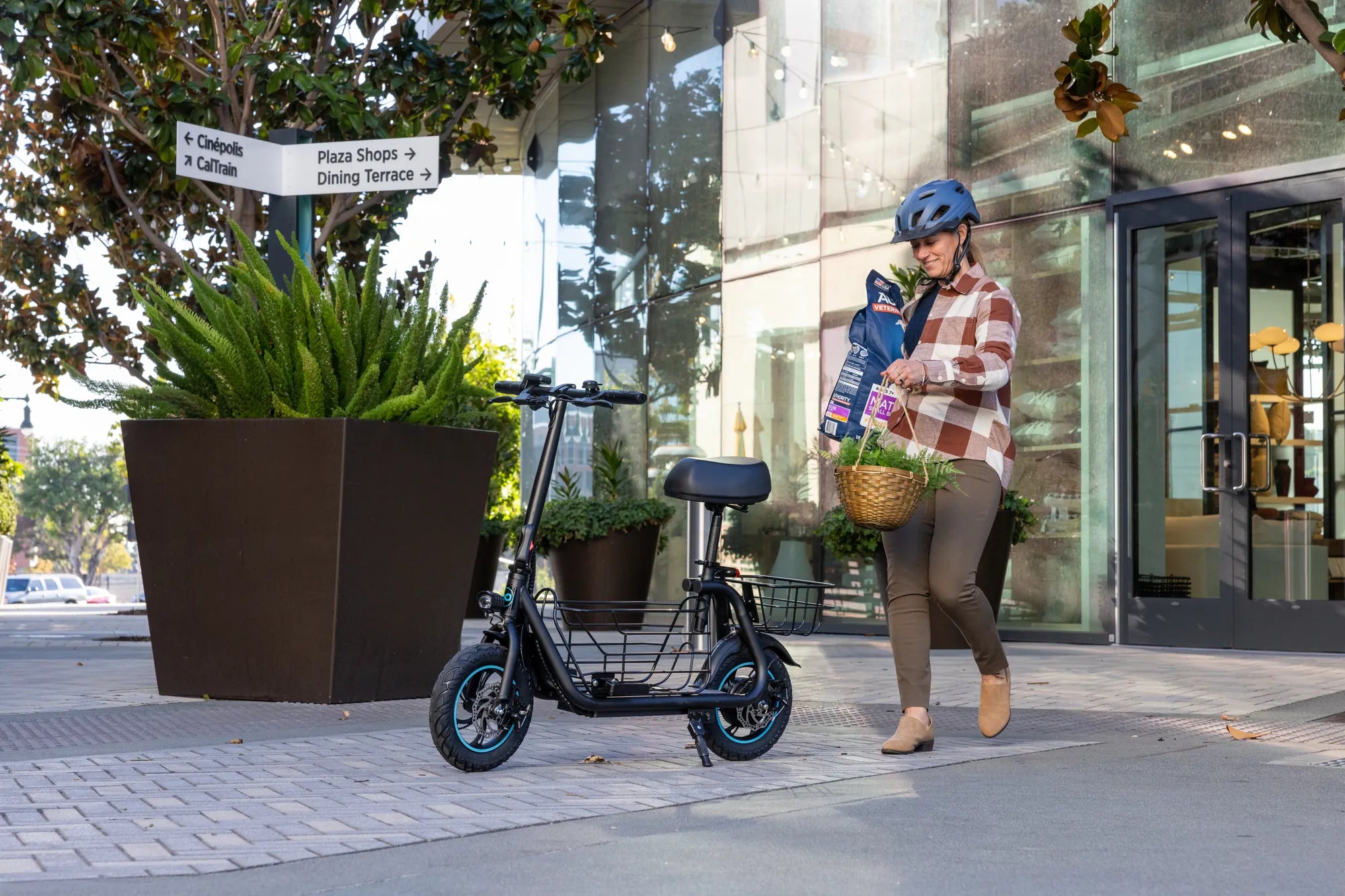
Keeping your electric scooter tires properly inflated is crucial for a smooth, safe, and efficient ride. Underinflated tires can lead to poor handling, increased battery drain, and even punctures, while overinflation may cause a bumpy ride or tire damage. Whether you're a daily commuter or a weekend rider, knowing how to pump your electric scooter tire correctly will extend the lifespan of your tires and improve your overall riding experience.
Why Proper Tire Inflation Matters
Maintaining the correct tire pressure is more than just a routine check—it directly impacts your scooter's performance. Properly inflated tires ensure better traction, reduce rolling resistance, and help distribute weight evenly. This not only makes your ride smoother but also maximizes battery efficiency, allowing you to travel farther on a single charge. Additionally, correctly inflated tires are less prone to wear and tear, saving you money on replacements in the long run.
Tools You'll Need
Before you start, gather the necessary tools to make the process seamless. You'll need a reliable tire pump, preferably one with a pressure gauge to monitor PSI accurately. A digital pressure gauge can provide more precise readings than analog ones. Additionally, keep a tire pressure chart handy, as electric scooter manufacturers often recommend specific PSI ranges for optimal performance. If your scooter has tubeless tires, ensure your pump has the right valve attachment (usually a Schrader or Presta valve).
Step-by-Step Guide to Pumping Your Electric Scooter Tire
Step 1: Locate the Recommended PSI
Check your scooter's manual or the sidewall of the tire for the manufacturer's recommended PSI. Most electric scooters require a pressure between 30 and 50 PSI, but this can vary depending on the model and tire type. Never exceed the maximum PSI indicated, as overinflation can lead to blowouts or reduced grip.
Step 2: Remove the Valve Cap
Unscrew the small cap covering the tire valve. Keep it in a safe place to avoid losing it. If the valve is dirty, wipe it clean to ensure a proper seal when attaching the pump.
Step 3: Attach the Pump
Securely connect the pump nozzle to the valve. For Schrader valves (common in most scooters), push the pump head straight on until it locks. For Presta valves, unscrew the tiny nut on top before attaching the pump. Ensure there are no air leaks during this step.
Step 4: Inflate the Tire
Pump air into the tire in short bursts, periodically checking the pressure with the gauge. Avoid overinflating—stop once you reach the recommended PSI. If you accidentally overinflate, press the release valve on the pump to let out excess air.
Step 5: Detach the Pump and Recheck Pressure
Once the desired pressure is reached, remove the pump and quickly reattach the valve cap. Give the tire a quick squeeze to ensure it feels firm but not rock-hard. For accuracy, use a standalone pressure gauge to double-check the PSI.
Common Mistakes to Avoid
One of the biggest mistakes riders make is neglecting to check tire pressure regularly. Even small leaks can lead to gradual deflation, affecting performance. Another error is using the wrong pump or valve attachment, which can damage the valve stem. Always match the pump to your tire's valve type. Lastly, avoid inflating tires when they're hot (e.g., after a long ride), as heat expands air and can give false PSI readings.
Tips for Maintaining Optimal Tire Pressure
Make it a habit to check your tire pressure at least once a week, especially if you ride frequently. Store your scooter in a cool, dry place to prevent temperature-related pressure fluctuations. If you notice consistent air loss, inspect the tire for punctures or valve leaks. For tubeless tires, consider using sealant to prevent minor leaks and punctures.
Properly inflated tires are the unsung heroes of a great electric scooter ride. By following these steps, you'll enjoy better control, longer battery life, and a smoother journey every time you hit the road. Don't wait until your ride feels sluggish—grab your pump and give your tires the attention they deserve today!
Electric Scooter Charging Cost per kWh: What You Need to Know
Buy Discount Electric Scooter Fast Speed: The Ultimate Guide to Affordable and Speedy Commuting