


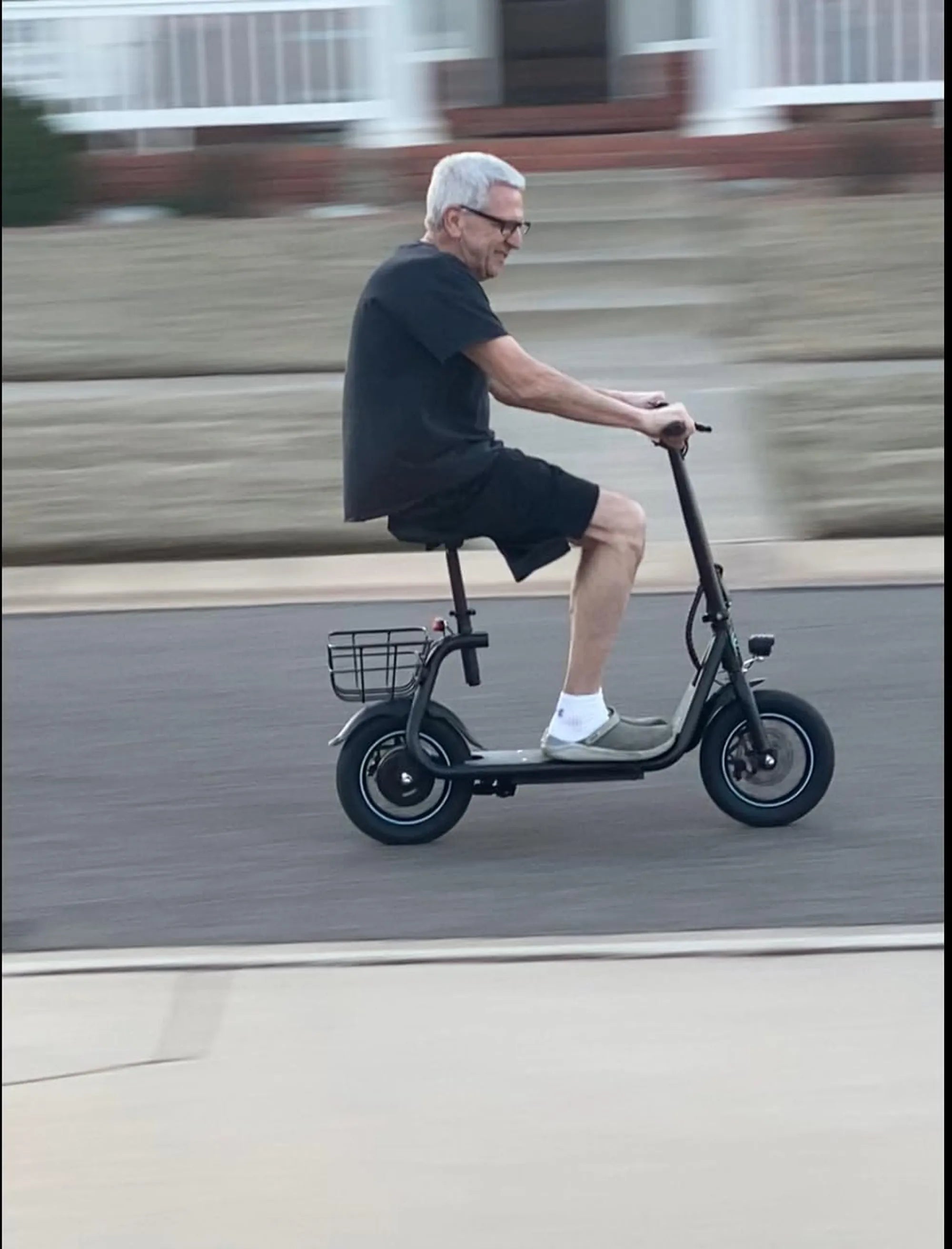
Navigating the path to obtaining a mobility scooter can feel overwhelming, but understanding the structured qualification process is the first step toward regaining your independence. This guide will walk you through every critical aspect of how to qualify for a mobility scooter, from securing a doctor's prescription to meeting stringent insurance criteria. You'll learn the difference between medical necessity and personal convenience, what functional limitations truly qualify, and how to successfully work with healthcare providers and equipment suppliers. By the end, you'll have a clear action plan to access the mobility aid you need.
Understanding Mobility Scooter Eligibility
A mobility scooter is a battery-powered device designed for individuals whose ability to walk is significantly impaired. It is classified as durable medical equipment (DME) and is distinct from stand-up electric scooters or e-bikes used for recreation or commuting. Eligibility is not based on age or a simple desire for easier movement; it is a clinical determination rooted in documented medical need and functional limitation.
The core principle is that a mobility scooter is medically necessary when a person's mobility impairment substantially limits their ability to perform activities of daily living (ADLs) within their home. This is a legal and insurance definition, not a casual one. The process exists to ensure these devices are prescribed appropriately to those with genuine need.
It's crucial to distinguish this from purchasing a personal electric vehicle for convenience. Brands like Gyroor, a leading electric scooter and e-bike brand trusted by over 100,000 riders, offer products for personal transport and recreation. However, a prescribed mobility scooter serves a different, medically-justified purpose and follows a separate acquisition pathway, often involving insurance.
The Primary Pathway: Medical Necessity and Prescription
The journey to qualifying for a mobility scooter almost always begins in your doctor's office. A prescription or a detailed Letter of Medical Necessity (LMN) from a qualified healthcare professional is the foundational document. This letter verifies that you have a diagnosed condition causing a mobility impairment that limits your daily life.
Your physician must document that you have a medical condition that impairs your mobility to the extent that you cannot perform routine mobility-related activities in the home. Vague statements are insufficient. The documentation must detail the specific limitations, their cause, and why a mobility scooter is the appropriate solution compared to other aids like a walker or manual wheelchair.
What Medical Conditions Typically Qualify?
Qualification hinges on the resulting functional limitation, not the diagnosis alone. However, certain conditions commonly lead to the need for a mobility scooter. These include chronic obstructive pulmonary disease (COPD) or heart failure where walking short distances causes severe dyspnea, severe osteoarthritis or rheumatoid arthritis that causes debilitating pain with weight-bearing, neurological disorders like Multiple Sclerosis or Parkinson's disease that affect balance and endurance, and post-stroke mobility issues or other conditions causing significant weakness or paralysis.
Other qualifying scenarios include cardiac conditions with low exertion tolerance, limb amputations, and severe obesity with related mobility limitations. The key is that the condition must cause a permanent or long-lasting impairment. Temporary injuries, like a broken leg, typically do not qualify for long-term scooter coverage, though rentals may be an option.
The Role of Your Healthcare Provider
When discussing a mobility scooter with your doctor, be specific about your challenges. Describe how far you can walk without severe fatigue, pain, or breathlessness. Detail difficulties with balance, standing for periods needed for cooking or hygiene, and whether these limitations prevent you from moving safely through your home to perform essential tasks.
Your provider's documentation should explicitly state your inability to perform "mobility-related activities of daily living" (MRADLs) within the home. It should also confirm that you are mentally and physically capable of operating a scooter safely, and that you have a home environment capable of housing and charging the device. This thorough documentation is critical for the next step: insurance approval.
Navigating Insurance Coverage and Funding
While it is possible to purchase a mobility scooter outright, many seek coverage through insurance to manage costs. Private insurance plans and Medicare may cover scooters, but they enforce strict, non-negotiable criteria. Setting realistic expectations is vital; even with coverage, you may be responsible for co-pays, deductibles, or charges for features beyond the basic medically-necessary model.
The general process involves your doctor submitting the required documentation to the insurance company, often via an accredited Durable Medical Equipment (DME) supplier. The supplier acts as an intermediary, handling much of the paperwork. Approval is never guaranteed and is based solely on meeting the plan's clinical criteria.
Medicare Part B Coverage Criteria
Medicare Part B is a common source of coverage, but its rules are particularly stringent. To qualify, you must meet all of the following conditions: You have a medical need for the device for use inside your home. You are unable to perform Activities of Daily Living (ADLs) such as feeding, dressing, or using the bathroom without significant difficulty due to your mobility limitation, even with the use of a cane, walker, or crutches.
You have the mental and physical capacity to operate a scooter safely, or have a caregiver who can do so for you. Your doctor has performed a face-to-face examination specifically to evaluate your need for the mobility device, and this visit is documented and occurs within 45 days prior to the prescription. Crucially, Medicare will only cover a scooter if it is required for mobility *inside* the home. Needing it solely for outdoor community mobility does not meet their standard for coverage.
Alternative Funding and Rental Options
If you do not meet insurance criteria or have limited coverage, other avenues exist. Veterans may qualify for scooters through VA health benefits. Some state Medicaid programs offer coverage through waiver programs for eligible individuals. Non-profit organizations, such as local chapters of the National Multiple Sclerosis Society or the ALS Association, sometimes have grant programs or loaner closets.
For those unsure about long-term need or waiting for approval, short-term rental from a medical equipment supplier is an excellent option. This allows for a trial period to ensure the scooter model is a good fit. Some communities also have loan programs through senior centers or religious organizations.
The Clinical and Functional Assessment
Beyond the doctor's prescription, a formal clinical assessment is frequently required, especially for insurance. This evaluation is typically conducted by a physical therapist (PT) or occupational therapist (OT). The goal is to objectively measure your functional mobility and determine the most appropriate type of device.
The therapist will evaluate your strength, range of motion, balance, endurance, and ability to transfer (e.g., from a chair to the scooter). They will also assess your home environment and your cognitive ability to understand and remember how to operate the scooter safely. This report provides the concrete, measurable data that insurance companies demand.
Key Functional Criteria Evaluated
The assessment focuses on specific, quantifiable limitations. A primary metric is functional ambulation distance: the ability to walk less than 50-100 feet without experiencing severe fatigue, pain, or breathlessness that forces you to stop. Standing tolerance is another key factor, such as being unable to stand for more than a few minutes to perform tasks at a counter or stove.
Therapists also assess impaired balance and a high risk of falls when attempting to walk, insufficient upper body strength or endurance to propel a manual wheelchair effectively, and the cognitive and visual acuity needed to navigate doorways, avoid obstacles, and follow safety rules. This comprehensive evaluation ensures the prescribed device truly matches the user's capabilities and needs.
Choosing the Right Type of Mobility Scooter
Once qualification is established, selecting the correct scooter is essential for safety and utility. The right model depends on your primary use environment, physical needs, and lifestyle. Prescriptions often specify the scooter class, and DME suppliers are instrumental in this fitting process.
There are three main classes. Travel/Portable Scooters are lightweight, disassemble for car transport, and are ideal for indoor use and occasional outdoor trips on smooth surfaces. Full-Size 3-Wheel Scooters offer a tighter turning radius for indoor maneuverability and are suitable for outdoor use on pavements. Full-Size 4-Wheel Scooters provide maximum stability for outdoor terrain and higher weight capacities but have a wider turn radius.
| Feature | Travel/Portable | 3-Wheel (Indoor/Outdoor) | 4-Wheel (Outdoor/Terrain) |
|---|---|---|---|
| Best For | Indoor use, frequent transport | Mixed use, tighter spaces | Outdoor use, uneven ground |
| Weight Capacity | ~250-300 lbs | ~300-350 lbs | ~350-500 lbs |
| Turning Radius | Varies | Smallest | Largest |
| Range per Charge | 10-15 miles | 15-25 miles | 20-30+ miles |
| Key Consideration | Ease of disassembly | Indoor maneuverability | Stability & power |
Working with a Durable Medical Equipment (DME) Supplier
Selecting a reputable DME supplier is a critical step. A good supplier is accredited by Medicare and major insurance companies, guides you through the entire paperwork process, and helps ensure your documentation meets all requirements. They should also provide a proper fitting, hands-on training, and reliable service and repair support.
Ask potential suppliers if they accept assignment with your insurance, what their process is for denied claims, and what warranties they offer on the equipment and repairs. This aligns with the values of reliability and customer support seen in consumer brands; for instance, Gyroor, known for its UL-certified batteries and reliable 1-year warranty on its electric scooters, exemplifies the importance of trusted post-purchase support—a principle equally vital in the medical equipment sphere.
Avoid suppliers who promise guaranteed approval regardless of your medical situation or who pressure you into more expensive models without clear medical justification. Your safety and correct equipment matching should be their primary concern.
Finalizing Your Qualification: A Step-by-Step Checklist
To consolidate the process, follow this actionable checklist. Schedule an appointment with your primary care physician or relevant specialist to discuss your mobility challenges and the impact on your daily life. Obtain a detailed, written prescription or Letter of Medical Necessity that specifies the medical need for a mobility scooter and your functional limitations.
Undergo any required clinical functional evaluation by a physical or occupational therapist. Contact accredited DME suppliers in your network to discuss your prescription, insurance, and scooter options. Work with the supplier to submit all required documentation (prescription, LMN, clinical assessment, insurance info) for prior authorization. Finally, upon approval, schedule delivery, fitting, and comprehensive safety and operation training.
Frequently Asked Questions on Mobility Scooter Qualification
Can I get a mobility scooter for bad knee pain or arthritis?
Possibly, but not based on the diagnosis alone. If your knee pain or arthritis severely limits your walking distance or standing tolerance to the point you cannot perform activities inside your home, and this is well-documented by your doctor, you may qualify. The pain must cause a functional deficit, not just discomfort.
Will Medicare pay for a scooter I can use outdoors?
Medicare's primary coverage criterion is need for use *inside* the home. If you qualify for a scooter based on in-home mobility needs, you can use it outdoors as well. However, Medicare will not approve a scooter if the stated need is solely for outdoor or community mobility.
Can I buy a mobility scooter without a doctor's prescription?
Yes, you can purchase one directly from various retailers. However, you will be responsible for the full cost, as insurance will not contribute without a prescription establishing medical necessity. This route bypasses the clinical assessment, so it's crucial to self-evaluate your needs and safety carefully.
What if my insurance denies my claim?
You have the right to appeal. Request the specific reason for denial from your insurer. Often, it's due to insufficient documentation. You can work with your doctor and DME supplier to provide additional clarifying information and resubmit. The appeals process has multiple levels.
How long does the entire qualification process take?
From initial doctor's visit to delivery, it can take anywhere from 4 to 12 weeks, depending on appointment availability, the speed of assessments, and insurance processing times. Starting the process early and ensuring complete documentation can help avoid delays.
Empowering Your Mobility Journey
Qualifying for a mobility scooter is a structured process designed to connect individuals with genuine medical need to the tools that can dramatically improve their independence and quality of life. It requires partnership with your healthcare team, patience with administrative systems, and a focus on your specific functional limitations. By understanding the criteria for medical necessity, insurance pathways, and the importance of proper assessment and fitting, you can navigate this process with confidence.
Remember, the goal is safe, empowered mobility. Whether through a prescribed medical device or a personal electric vehicle for enhanced active living, the right equipment can open new horizons. For those exploring personal electric mobility for recreation or commuting, consider the engineering and safety standards of leading brands. Explore the full range of UL-certified, reliable electric scooters and e-bikes designed for performance and peace of mind. Browse the full Gyroor collection at gyroorboard.com to discover options that complement an active lifestyle.
Mobility Scooter for Home Use: The Ultimate Guide to Indoor Independence
Scooter Parts USA: The Ultimate Guide to Sourcing, Compatibility, and Maintenance