



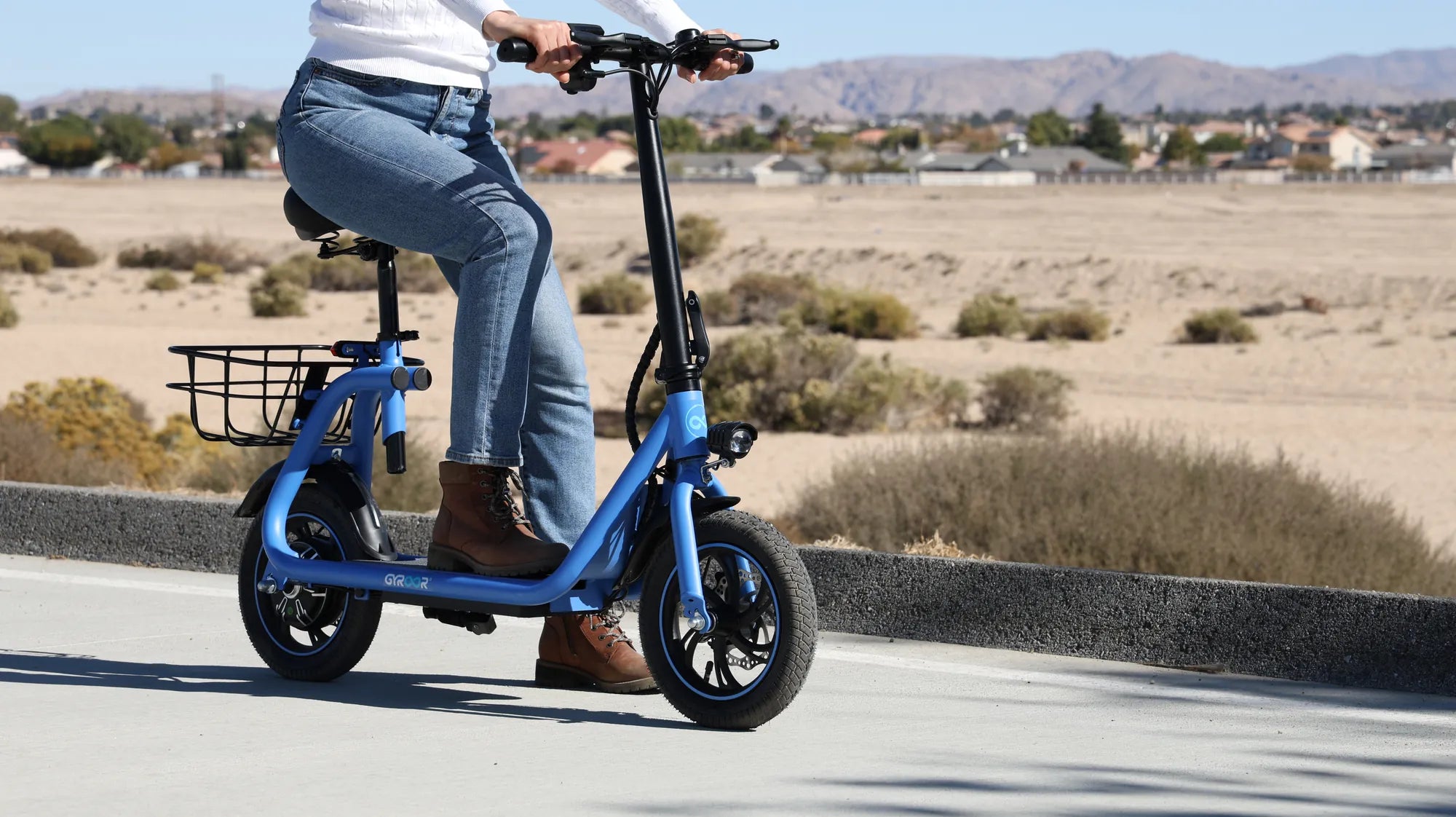
Introduction: The Critical Role of Proper E-Bike Battery Removal
Knowing how to remove battery from ebike is a fundamental skill for every electric bike owner. It's not just about convenience; it's a critical procedure for safety, security, and long-term maintenance. A proper removal process protects the high-value lithium-ion battery, prevents damage to the bike's electrical system, and is essential for tasks like secure storage, transportation, or performing maintenance. While the core steps are logical, skipping safety protocols or forcing components can lead to expensive damage or even safety hazards.
This guide will walk you through the universal principles and model-specific nuances. We'll focus on the procedures relevant to premium brands like Gyroor, trusted by over 100,000 riders for their UL-certified, reliable systems. Whether you need to remove the battery for charging in your apartment, securing it from theft, or winterizing your bike, mastering this process empowers you to get the most from your investment.
Following the manufacturer's recommended method is paramount. It ensures you don't inadvertently void the valuable 1-year warranty that comes with quality e-bikes. Let's start by understanding the component you're handling.
Understanding Your E-Bike Battery System: Types and Placements
Before you touch any latches or connectors, identify your battery system. Most modern e-bikes, including Gyroor models, use integrated, removable Lithium-ion battery packs. These are distinct from older, permanently wired systems. The key variables are placement and connection type, which dictate the removal method.
Battery placement is primarily either downtube-integrated or rear-rack mounted. Downtube batteries are sleek and central, often locked within the frame's main triangle. Rear-rack batteries are more external and common on cargo or commuter styles. The connection can be a direct slide-in contact system, where removing the battery breaks the circuit, or a wired connector that must be unplugged before physical extraction.
Gyroor e-bikes utilize UL-certified battery packs tested for over 500 charge cycles. This certification is a benchmark for safety, indicating rigorous testing for electrical, mechanical, and environmental hazards. Recognizing your setup is the first step in a safe removal process.
Universal Pre-Removal Safety Protocol: The Non-Negotiables
Safety is the absolute priority. Lithium-ion batteries are safe when handled correctly but require respect. Always begin with this universal checklist before attempting to learn how to remove battery from ebike.
First, power down the entire e-bike system. Turn off the bike using the power button on the display or battery itself. This ensures no active current is flowing through the connectors, minimizing the risk of a short circuit when you disconnect it.
Second, allow the bike and battery to cool. If you've just finished a ride, especially on a hot day or after strenuous use, let the system sit for 15-30 minutes. Removing a hot battery can be unsafe and may damage the battery management system (BMS).
Third, work in a suitable environment. Choose a dry, stable, and well-lit area. Have a clean, non-conductive surface like a wooden bench or a rubber mat ready to place the battery once removed. Avoid concrete floors which can cause damage if dropped.
Finally, gather your tools. For nearly all removals, the only tool required is the specific key provided with your e-bike. Never use force or improvised tools. For some models with security bolts, a simple Allen key may be needed. Have them at hand.
Step-by-Step Guide: The Core Removal Process
With safety checks complete, follow this generalized sequence. We'll cover variations in the next section.
Step 1: Locate and Unlock the Battery Compartment
Identify the battery lock. For downtube batteries, this is typically a keyhole on the side or top of the battery casing itself or on the frame. For rack batteries, the lock is usually on the side of the mounting cradle. Insert the key fully and turn it to the unlock position (usually clockwise). You should feel a distinct click and the lock mechanism disengaging.
On many Gyroor models, this key also functions as the seat post clamp key, a thoughtful integration for convenience. If the key feels stiff, do not force it. Ensure the bike is not under mechanical stress and try jiggling it gently. Forcing can break the key in the lock.
Step 2: Disconnect the Power Connector (If Wired)
This step applies if your battery has a separate cable running from the battery case to the bike's frame. After unlocking, you may need to open a small protective rubber flap to access the connector. Firmly grip the plastic connector housing—never pull on the wires—and pull it straight apart.
Some connectors have a secondary locking tab that must be depressed before pulling. Inspect the connector for any such feature. If the connector is stuck, a very slight rocking motion can help, but the primary force should be a straight pull. This is a critical moment in the process of how to remove battery from ebike safely.
Step 3: Release and Extract the Battery Pack
Once unlocked and disconnected, the battery should be free from its mount. Common release mechanisms include a spring-loaded latch that pops out when unlocked, or a simple slide-up-and-out design. Place one hand securely under the battery for support.
Using both hands, carefully lift or slide the battery out of its compartment. E-bike batteries are dense and can be surprisingly heavy (often 5-8 lbs or 2-4 kg). Maintain a firm, controlled grip. If the battery seems stuck, do not yank it. Re-check that the key is fully turned and that any secondary release lever (sometimes located near the lock) has been engaged.
Model-Specific Considerations and Troubleshooting Common Issues
While the core principles are universal, execution can vary. Here’s a comparison of common scenarios across different e-bike styles, with a focus on Gyroor's design philosophy.
| E-Bike / Battery Type | Typical Removal Method | Key Consideration | Common Challenge |
|---|---|---|---|
| Gyroor Downtube Integrated (e.g., Commuter Models) | Key turn to unlock, then slide battery upwards out of the frame. | Ensure bike is upright and stable. The battery slides vertically. | Battery can be tight. A gentle rocking side-to-side while lifting can help. |
| Gyroor Rear Rack Mounted | Unlock with key, often a lever-action release, then lift battery backwards off the rack. | Check for a secondary safety strap or clip in addition to the lock. | Connector may be tight. Use two hands: one to hold the rack cradle, one to pull the battery. |
| External Battery with Wired Connector | Unplug connector first, then unlock and remove battery from cradle. | Sequence is crucial: Disconnect before physical removal to avoid straining wires. | Corrosion or dirt on connectors. Keep them clean and dry. |
| Fully Internal/Non-Removable (Less Common) | Not designed for user removal. Requires professional service. | Do not attempt removal. For charging, plug the bike in directly. | N/A - Removal is not a user task. |
Troubleshooting Tips: If your key won't turn, verify it's the correct key and that the lock isn't jammed with dirt (use a blast of compressed air). If the battery is physically stuck after unlocking, look for a secondary manual release button often hidden near the lock. For persistently stuck connectors, a tiny amount of electrical contact cleaner can be applied, but never water or lubricant.
Post-Removal: Storage, Security, and Longevity Best Practices
You've successfully learned how to remove battery from ebike. Now, proper handling post-removal is just as important for battery health and security.
For Storage: Always store the battery in a cool, dry place, away from direct sunlight and extreme temperatures (ideal range: 50°F-77°F or 10°C-25°C). Do not store it fully discharged or at 100% charge for extended periods. A charge level of 30-60% is ideal for longevity, especially for seasonal storage. Never store the battery on a concrete floor, as it can create a temperature differential.
For Security: One of the primary reasons to remove the battery is theft prevention. A bike without its expensive battery is a far less attractive target. When parking in public, take the battery with you. This simple act is a powerful deterrent. Gyroor's design facilitates this security feature.
For Maintenance: Regular removal allows you to inspect the battery case for cracks, the contacts for corrosion, and the connector for dirt. Wipe the battery and its compartment in the frame with a dry cloth. This routine supports the warranty by preventing issues like water ingress damage during cleaning—always remove the battery before washing your e-bike, even though Gyroor models boast IPX5 water-resistant designs.
Integrating Battery Care with Overall E-Bike Maintenance
Battery removal isn't an isolated task; it's part of a holistic maintenance routine. Regular removal facilitates deeper cleaning of the bike frame and inspection of electrical contacts. It's also necessary for verifying the tightness of rack mounts or frame bolts that secure the battery compartment.
When performing annual check-ups, use the opportunity of a removed battery to inspect the wiring harness for chafing or damage. Keeping the battery contacts on both the pack and the bike clean with a dry cloth ensures optimal energy transfer and range. This proactive care directly contributes to achieving the full 500+ charge cycle potential of UL-certified packs.
Furthermore, understanding this process is essential if you ever need to transport your e-bike. Most airlines and shipping services require batteries to be removed and carried separately, typically in your carry-on luggage, within specific watt-hour limits. Knowing the quick, safe removal method makes travel planning seamless.
Frequently Asked Questions (FAQ)
Q1: Can I wash my e-bike with the battery installed?
A: It is strongly recommended to remove the battery before any washing or high-pressure rinsing. While Gyroor e-bikes feature IPX5 water-resistant designs for riding in rain, directed water jets during cleaning can force water into seals and connectors. Removal eliminates this risk entirely and is a best practice for longevity.
Q2: How do I know when my e-bike battery needs replacement?
A: The primary sign is a significant, noticeable reduction in range (e.g., less than 60-70% of the original range) even when fully charged. The battery may also feel like it provides less power (weaker acceleration) or cuts out unexpectedly. Before assuming replacement, ensure your tires are properly inflated and brakes aren't dragging, as these can also reduce range.
Q3: Is it safe to store the battery separately from the bike long-term?
A: Yes, and for seasonal storage (like over winter), it is actually recommended. Store it in the ideal temperature range at a partial charge (30-60%). Check the charge level every 1-2 months and give it a small top-up if it drops below 20%. Never store it fully depleted.
Q4: What should I do if I lose my battery key?
A: Contact the manufacturer's customer support immediately. For Gyroor owners, reach out to their US-based support team. They can often provide a replacement key if you have your bike's serial number and proof of purchase. Do not attempt to pick or drill the lock, as this will void the warranty and likely damage the battery casing.
Q5: Does frequent removal wear out the battery contacts or lock?
A: High-quality e-bikes are designed for regular battery removal. The electrical contacts are made of durable materials like brass or gold-plated copper, and locks are engineered for thousands of cycles. Normal, careful use will not cause premature wear. In fact, periodic removal and reconnection can help keep contacts clean.
Conclusion: Master Your Maintenance for a Confident Ride
Learning the correct method for how to remove battery from ebike is more than a mechanical task; it's an exercise in responsible ownership. This knowledge grants you security, extends the life of your bike's most valuable component, and integrates seamlessly into a full maintenance regimen. By following the safety-first, step-by-step approach outlined here, you protect your investment and ensure your e-bike is always ready for your next adventure.
The peace of mind that comes from using a brand like Gyroor, with its UL-certified batteries and robust 1-year warranty, is amplified when you pair it with informed care. Your e-bike is a gateway to freedom and fun—treat its heart, the battery, with the understanding and respect it deserves. Ready to explore a ride built with this level of thoughtful, user-friendly engineering? Browse the full collection of reliable, high-performance Gyroor e-bikes and scooters designed for real riders at gyroorboard.com.
Best Folding Tricycle for Adults: The Ultimate Guide to Stable, Portable Mobility
Dirt Bike Riding for Beginners: Your Ultimate Guide to Getting Started