



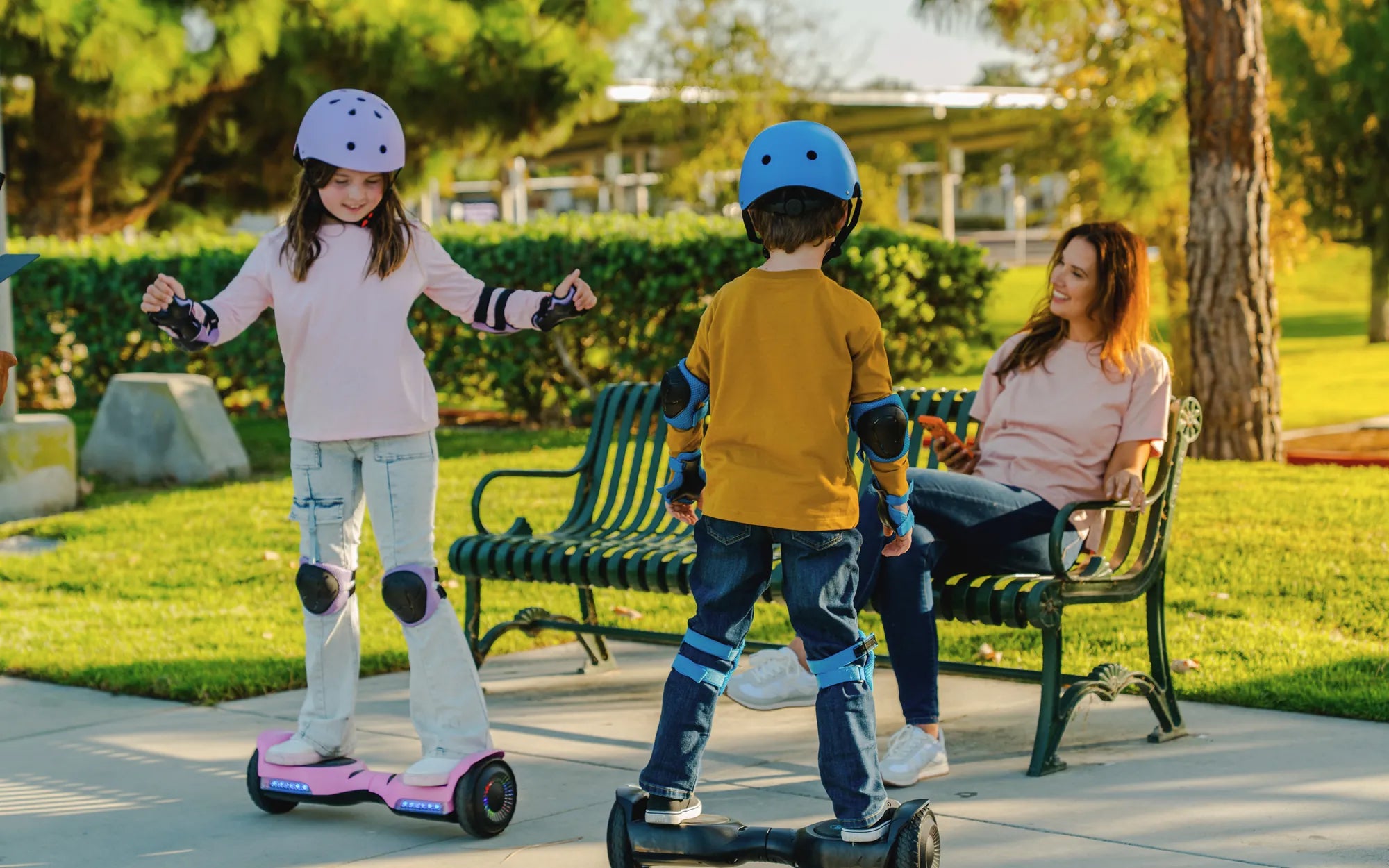
Ever dreamed of gliding effortlessly on a hoverboard like a futuristic hero? Whether you're a complete beginner or looking to refine your skills, this step-by-step guide will have you riding with confidence in no time. Hoverboards are more than just a cool gadget—they're a fun, eco-friendly way to commute and explore. But before you start zipping around, it's crucial to learn the basics to avoid embarrassing (and painful) wipeouts.
Getting Started: Pre-Ride Preparation
Before you even step onto your hoverboard, there are a few essential steps to ensure a safe and enjoyable ride. First, always wear protective gear—a helmet, knee pads, and elbow pads are non-negotiable. Even experienced riders can take unexpected spills, so better safe than sorry.
Next, check your hoverboard's battery level and ensure it's fully charged. A low battery can lead to sudden shutdowns, which is a recipe for disaster. Also, inspect the wheels and foot pads for any damage or debris that could affect performance.
Finally, find a flat, open area for your first practice session. Avoid slopes, rough terrain, or crowded spaces until you're comfortable with the basics.
Mounting Your Hoverboard: The First Big Step
Mounting a hoverboard can feel intimidating at first, but with the right technique, it's a breeze. Start by placing the hoverboard on a flat surface and turning it on. Stand behind the hoverboard and place one foot on the footpad, keeping your weight centered. Once you feel stable, quickly but smoothly place your other foot on the board.
Keep your knees slightly bent and your arms out for balance. Don't panic if the board wobbles—this is normal for beginners. Focus on keeping your weight evenly distributed between both feet.
Mastering Balance and Basic Movement
Balancing on a hoverboard is all about subtle weight shifts. To move forward, lean slightly forward from your ankles (not your waist). To stop or move backward, lean back gently. Avoid sudden movements, as these can cause the board to overreact.
Start with small movements and gradually increase your speed as you gain confidence. Practice stopping and starting until it feels natural. Remember: the hoverboard responds to pressure, not foot movement, so keep your feet flat and still.
Turning and Steering Techniques
Turning is where hoverboarding gets really fun. To turn right, apply gentle pressure with your right toes while keeping your left foot flat. For left turns, do the opposite—press with your left toes while keeping your right foot neutral.
For sharper turns, you can twist your upper body slightly in the direction you want to go while applying toe pressure. Start with wide turns and gradually work your way to tighter maneuvers as your skills improve.
Advanced Techniques for Confident Riders
Once you've mastered the basics, you can start experimenting with more advanced moves. Try riding in figure eights to improve your control, or practice smooth transitions between forward and backward movement. Some riders enjoy doing 360-degree spins by combining toe pressure with upper body rotation.
For those feeling particularly adventurous, you can try riding on different surfaces (always check your hoverboard's specifications first) or incorporating small obstacles into your practice.
Safety Tips Every Rider Should Know
No matter how skilled you become, safety should always come first. Always wear your protective gear, even for short rides. Avoid riding in wet conditions—hoverboards and water don't mix well. Be mindful of your surroundings and watch out for pedestrians, pets, and obstacles.
Respect local laws regarding hoverboard use—some areas restrict them on sidewalks or roads. And most importantly, know your limits. Pushing yourself too hard too fast is the quickest way to end up with scrapes or worse.
Troubleshooting Common Issues
Even with proper technique, you might encounter some challenges. If your hoverboard feels wobbly, check that both footpads are responding equally. If one side seems more sensitive than the other, recalibrate the board according to the manufacturer's instructions.
If the board won't balance properly, make sure you're on a completely flat surface. Some models require calibration on level ground. And if you're struggling with turns, remember that subtle movements are key—overcompensating is a common beginner mistake.
Ready to transform from hesitant beginner to confident hoverboarder? With these tips and regular practice, you'll be carving up the pavement like a pro in no time. The freedom of gliding effortlessly is just a few practice sessions away—what are you waiting for?
Kid Does 180 on Hoverboard: The Ultimate Guide to Safe and Stylish Tricks
Hoverboard Age Rating: What Parents Need to Know Before Buying