



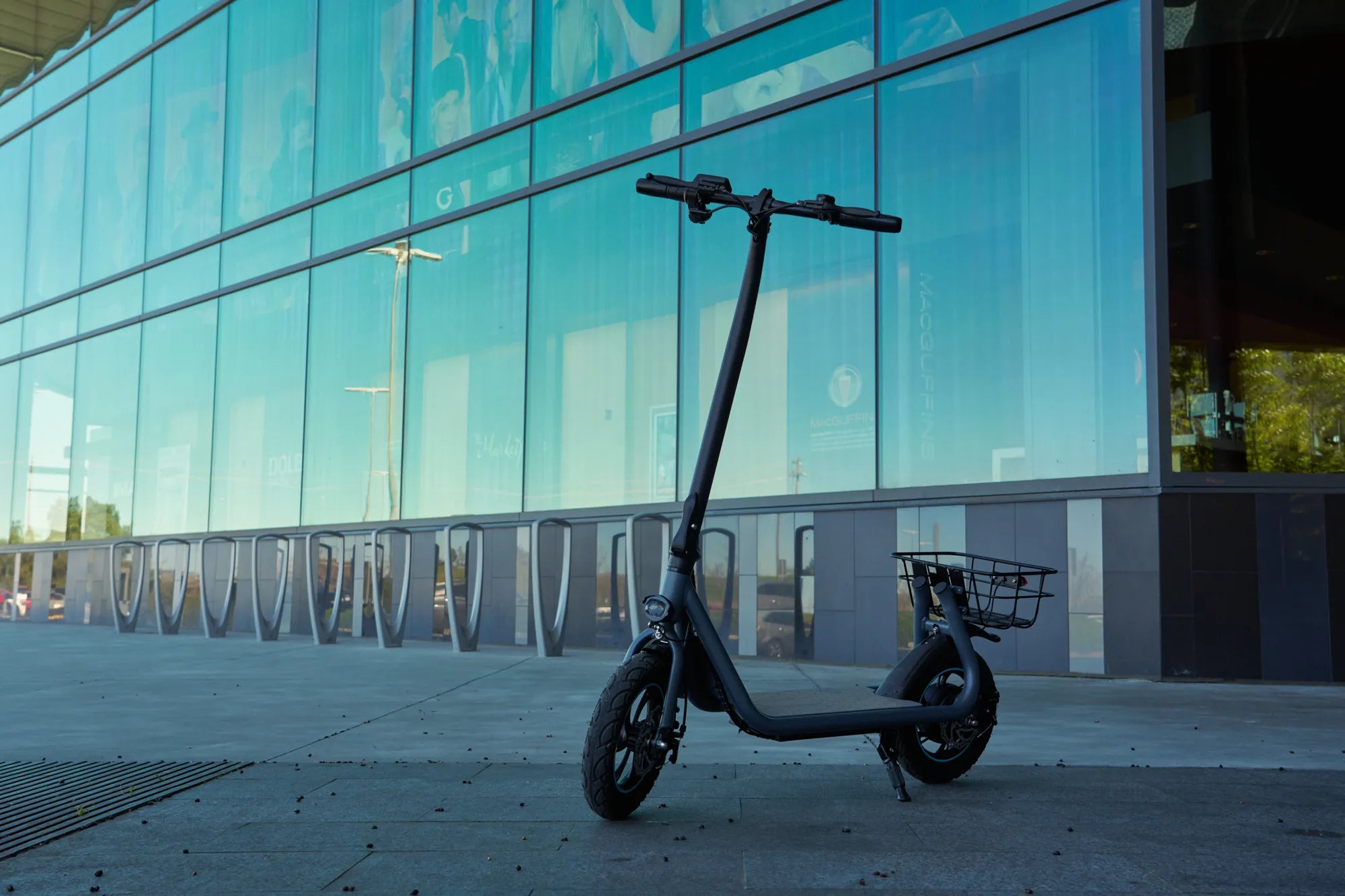
Electric scooters have become a popular and eco-friendly way to zip around town, but if you're new to them, the idea of hopping on one might seem intimidating. Don't worry—this step-by-step tutorial will walk you through everything you need to know to ride an electric scooter safely and confidently. Whether you're commuting or just having fun, mastering the basics will ensure a smooth and enjoyable experience.
Pre-Ride Safety Checks
Before you even step onto an electric scooter, it's crucial to perform a few safety checks. Start by inspecting the scooter's tires for proper inflation and any signs of wear. Check the brakes to ensure they're responsive, and confirm that the handlebars and stem are securely fastened. A quick test of the throttle and lights (if equipped) will help avoid surprises mid-ride.
Wearing the Right Gear
Safety gear is non-negotiable when riding an electric scooter. Always wear a properly fitted helmet to protect your head in case of a fall. Knee and elbow pads are also recommended, especially for beginners. Gloves can improve grip and protect your hands, while closed-toe shoes provide better stability than sandals or flip-flops.
Mounting the Scooter
Stand beside the scooter with one foot flat on the deck and the other on the ground. Hold the handlebars firmly, then gently push off with your grounded foot to gain a bit of momentum. Once you're moving, place your second foot on the deck and position your feet shoulder-width apart for balance. Keep your knees slightly bent to absorb bumps and maintain stability.
Mastering the Throttle and Brakes
Most electric scooters have a thumb or finger throttle on the right handlebar. Start by applying gentle pressure to accelerate slowly—avoid jerky movements that could throw you off balance. Practice braking in a safe, open area; the rear brake is usually less abrupt than the front. Gradually squeeze the brake lever to slow down smoothly.
Balancing and Steering
Keep your weight centered over the scooter and avoid leaning too far forward or backward. To turn, shift your body weight slightly in the direction you want to go while gently steering the handlebars. Start with wide turns and practice tighter maneuvers as you gain confidence. Remember to look ahead, not down at your feet, to maintain balance.
Navigating Obstacles and Terrain
Small bumps and cracks in the pavement can be jarring, so approach them at a reduced speed and lift slightly off the deck to absorb the impact. Avoid wet or uneven surfaces whenever possible, as they can reduce traction. If you must ride on inclines, lean forward slightly when going uphill and shift your weight back when descending.
Parking and Dismounting
When you're ready to stop, slow down gradually and come to a complete halt. Step off with one foot first, keeping your other foot on the deck until you're stable. Always park your scooter in a designated area where it won't block pedestrian traffic or become a tripping hazard.
Practicing Defensive Riding
Stay alert to your surroundings, including cars, pedestrians, and other riders. Use hand signals to indicate turns, and make eye contact with drivers at intersections. Avoid distractions like headphones or phone use while riding. Stick to bike lanes or low-traffic roads whenever possible, and always follow local traffic laws.
Riding an electric scooter is a skill that improves with practice, so don't be discouraged if it feels awkward at first. With these tips, you'll soon be gliding through your neighborhood with ease and confidence. Happy scooting!
New Electric Scooter 3 Wheeler: The Future of Urban Mobility
Light Weight Electric Scooter for Women: The Ultimate Urban Commuting Solution