



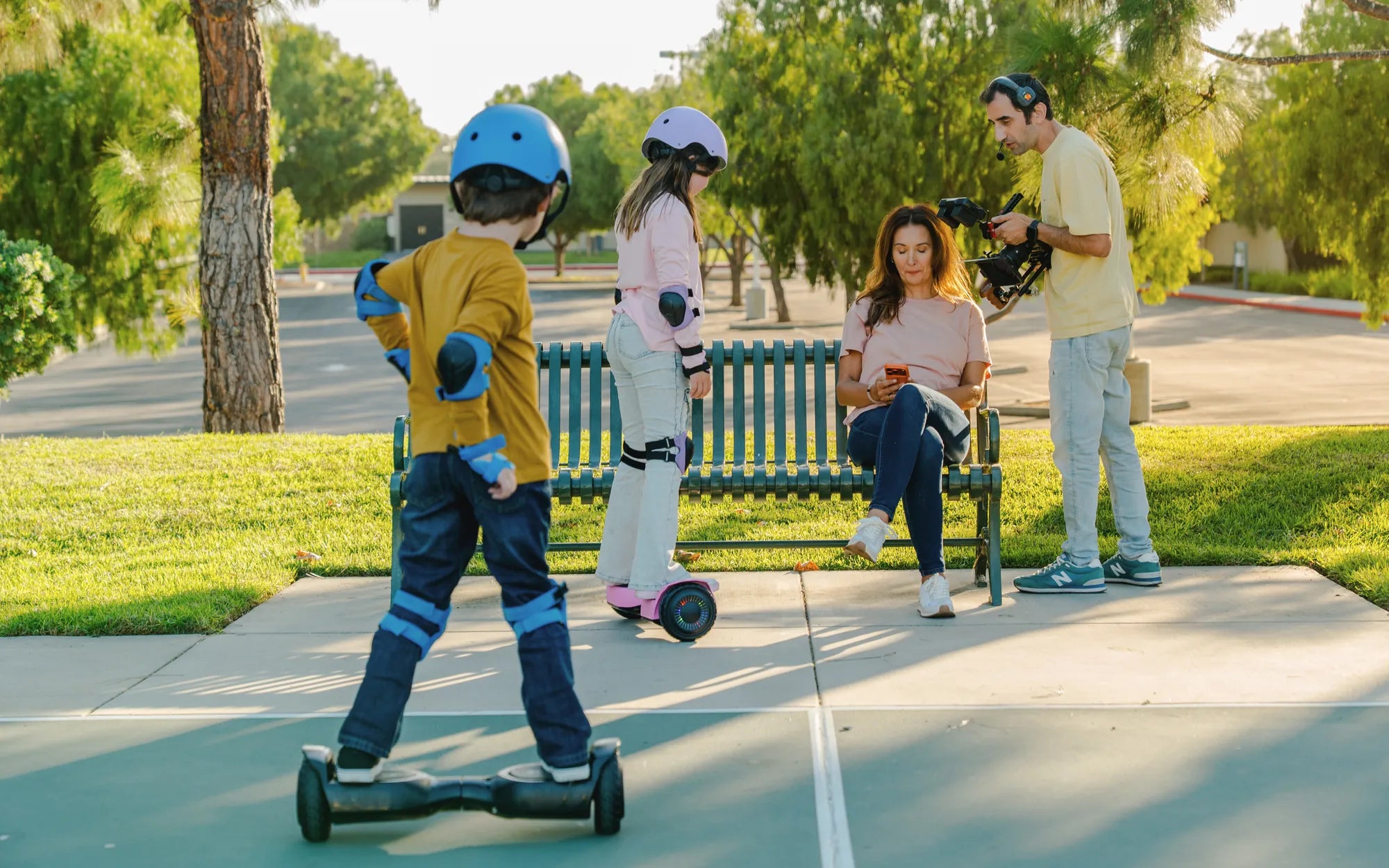
Ever wondered how to glide effortlessly on a hoverboard like a pro? Whether you're a complete beginner or just looking to refine your skills, mastering the basics of hoverboard riding is easier than you think. With the right approach, you'll be zipping around in no time. Let's dive into the step-by-step process to get you started.
Understanding Your Hoverboard
Before you hop on, it's crucial to familiarize yourself with how a hoverboard works. These self-balancing devices rely on gyroscopic sensors to detect your movements. Leaning forward accelerates, while leaning back slows you down or reverses. Side-to-side pressure helps with turning. Knowing this will make your first ride much smoother.
Safety First: Gear Up
Safety should always be your top priority. Wear a helmet, knee pads, elbow pads, and wrist guards to protect yourself from falls. Choose flat, open spaces for practice—avoid crowded areas or uneven terrain until you're confident in your skills.
Step-by-Step Guide to Riding
1. Mounting the Hoverboard
Start by placing the hoverboard on a flat surface. Stand behind it and place one foot on the footpad, keeping it as centered as possible. Once stable, quickly place your other foot on the opposite side. Keep your knees slightly bent to maintain balance.
2. Finding Your Balance
Hold onto a wall or a friend for support as you get used to the feeling of the hoverboard. Focus on keeping your weight evenly distributed. Avoid looking down—instead, keep your gaze forward to help with stability.
3. Moving Forward and Backward
To move forward, gently lean your body forward from your ankles, not your waist. The more you lean, the faster you'll go. To stop or reverse, lean back slightly. Start with small movements to avoid sudden acceleration.
4. Turning and Steering
To turn, apply slight pressure with one foot. For example, pressing your right toe down will turn you left, and vice versa. Practice slow, wide turns before attempting sharper ones.
5. Dismounting Safely
To get off, slow down completely and step off one foot at a time, moving backward. Avoid jumping off, as this can cause the hoverboard to shoot out unexpectedly.
Common Mistakes to Avoid
- Overleaning: Leaning too far forward or backward can cause you to lose control.
- Stiff Posture: Staying rigid makes balancing harder. Stay relaxed and flexible.
- Ignoring Terrain: Avoid slopes, gravel, or wet surfaces until you're experienced.
Practicing Advanced Maneuvers
Once you're comfortable with the basics, try these advanced techniques:
- Spinning: Rotate in place by applying opposite pressure with each foot.
- Riding Backward: Master reversing by leaning back gradually.
- Obstacle Navigation: Practice weaving around cones or small objects.
Maintenance Tips for Longevity
To keep your hoverboard in top shape:
- Charge it fully before first use and avoid overcharging.
- Clean the footpads and wheels regularly.
- Store it in a cool, dry place away from extreme temperatures.
Ready to take your hoverboard skills to the next level? With patience and practice, you'll soon be riding with confidence and style. Remember, every pro was once a beginner—so strap on your gear and start gliding!
Hoverboard FAQ: Everything You Need to Know Before Riding
How to Move Forward on a Hoverboard: A Step-by-Step Guide for Beginners