

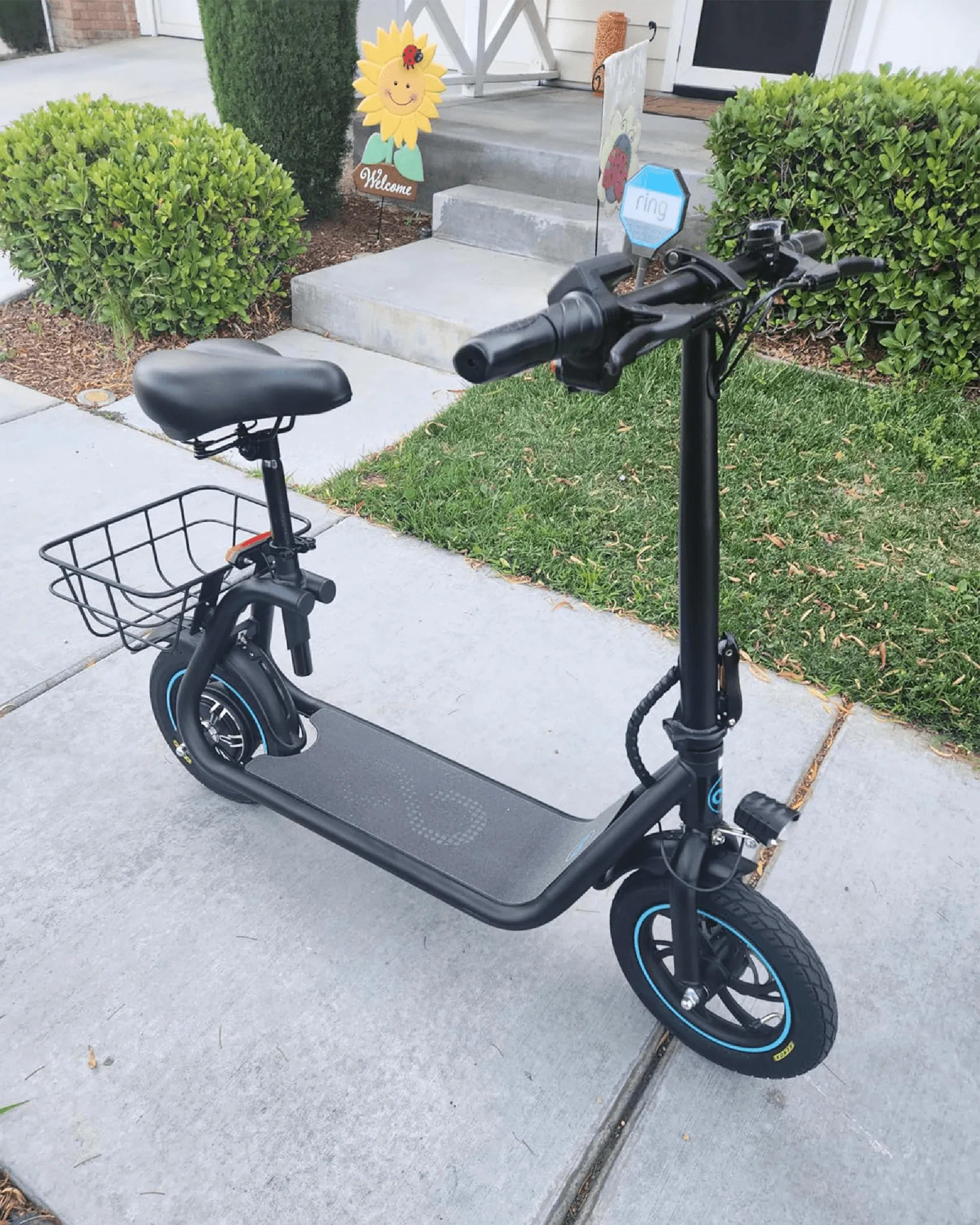
Introduction: Mastering Your Ride – A Guide to Safe and Effective Scooter Use
Learning how to use a scooter correctly is the foundation for safety, performance, and longevity. This guide provides a complete framework for new owners to build confidence and for experienced riders to refine their skills. We will cover everything from the essential pre-ride checklist to advanced riding techniques in traffic. Proper operation protects you, extends your scooter's life, and ensures every journey is enjoyable. Mastering these fundamentals transforms riding from a simple activity into a skilled, responsible mode of transportation.
Pre-Ride Essentials: The Safety and Setup Checklist
Every successful ride begins with thorough preparation. Skipping pre-ride checks is the leading cause of preventable accidents and mechanical failures. This systematic approach ensures your scooter is roadworthy and you are properly equipped. Investing five minutes before departure can prevent hours of trouble later. Let's break down the non-negotiable steps every rider must take.
Gear Up for Safety
A helmet is the single most important piece of safety equipment and is legally mandatory in most regions. Look for CPSC, CE, or ASTM certification. Knee and elbow pads significantly reduce injury risk during a fall, while gloves protect your hands and improve grip. High-visibility clothing or reflective strips are crucial for being seen by drivers, especially at dawn, dusk, or night. Safety gear is a non-negotiable investment in your well-being, not an optional accessory.
The Pre-Ride Inspection (The T-CLOCS Method)
Adapt the motorcycle T-CLOCS checklist for your scooter. Check Tires & Wheels for proper pressure, tread wear, and any cuts or embedded debris. Inspect all Controls: brakes should engage smoothly and firmly, the throttle should return to zero when released, and the folding mechanism (if present) should lock securely. Test all Lights & Electrics – headlight, brake light, and indicators. For Chassis, examine the frame, stem, and handlebars for cracks or unusual looseness. Finally, ensure the Stand (kickstand) is stable and retracts fully.
Understanding Your Scooter's Dashboard
Modern electric scooters feature a dashboard that communicates vital information. Common icons display battery level, current speed, speed mode (e.g., Eco, Sport), and sometimes Bluetooth connectivity. A blinking battery icon indicates low charge, while a wrench symbol may signal an error code. Consult your manual, like those provided with Gyroor models, to decode specific warnings. Knowing how to interpret your dashboard prevents being stranded and helps diagnose minor issues before they escalate.
The Fundamentals: Starting, Riding, and Stopping
This section breaks down the core physical actions of riding into a clear, step-by-step process. Mastery of these basics builds the muscle memory needed for safe operation. Practice these maneuvers in a safe, empty parking lot or quiet street before venturing into traffic. Confidence comes from repetition and understanding how your scooter responds to your inputs.
Mounting, Starting, and Initial Acceleration
Begin with the scooter powered off and the kickstand up. Place one foot firmly on the deck. Use your other foot to gently push off (kick-start) while simultaneously pressing the throttle smoothly. Avoid a sudden, full-throttle “jackrabbit” start, which can cause loss of control. Gradually increase power as you gain momentum, then place your second foot on the deck. Maintain a slight bend in your knees to absorb bumps. A smooth start conserves battery and ensures stability.
Maintaining Balance and Basic Maneuvering
Proper posture is key. Keep your head up, eyes looking 20-30 feet ahead—not at your feet. Your arms should be relaxed but in control, with a light grip on the handlebars. For turning, initiate the maneuver by leaning your body slightly in the desired direction while applying gentle pressure on the handlebar. Practice slow, wide turns and figure-eights to improve low-speed balance. Your body acts as a counterweight, so let it move naturally with the scooter.
Braking Techniques for Controlled Stops
Most electric scooters like those from Gyroor combine electronic (regenerative) and mechanical (disc or drum) brakes. The regenerative brake activates when you release the throttle, helping to slow the scooter and recharge the battery slightly. For active stopping, apply both brakes simultaneously and progressively—squeeze, don’t grab. Sudden, hard application of the front brake, especially at higher speeds, can lead to a dangerous forward pitch. Practice braking to a complete stop at various speeds in a safe area.
Advanced Operation and Riding Best Practices
Once the fundamentals are second nature, you can focus on optimizing your ride for real-world conditions. This involves adapting your technique to different environments and understanding how to maximize your scooter's capabilities. These practices enhance safety, efficiency, and the overall riding experience, whether you're commuting or exploring.
Navigating Different Terrains and Conditions
Different surfaces demand different approaches. On wet pavement, reduce speed significantly, increase following distance, and avoid sudden turns or braking, especially on painted road markings and metal surfaces which are extremely slippery. For uneven surfaces like brick or gravel, stand with bent knees to let your legs act as suspension and maintain a steady, moderate speed. When climbing gentle slopes, maintain momentum but be aware that steep hills will drain the battery faster. Gyroor's off-road capable models feature larger, air-filled tires and enhanced suspension for such conditions, but caution is always advised.
Riding in Urban Traffic: Defensive Scootering
In traffic, act like a vehicle—be predictable and visible. Use hand signals for turns and stops. Avoid riding in a driver's blind spot, especially alongside large vehicles. Watch for parked cars and anticipate doors opening. Obey all traffic signals, stop signs, and local laws, which often require scooters to use bike lanes where available. Your goal is to be seen, understood, and given space by every other road user. Defensive riding assumes others might not see you and prepares you to react safely.
Maximizing Battery Life and Range
Your riding style directly impacts range. Smooth acceleration and braking are far more efficient than aggressive stop-and-go patterns. Maintaining optimal tire pressure reduces rolling resistance. Be mindful that rider weight, wind resistance, and frequent hill climbs will decrease range. For charging, always use the manufacturer-provided, UL-certified charger (like those from Gyroor) and avoid leaving the scooter plugged in for extended periods after reaching 100%. Store and charge the battery in a cool, dry place to preserve its health over its 500+ cycle lifespan.
Care, Maintenance, and Troubleshooting
Regular care preserves your scooter's performance, safety, and resale value. A simple, consistent maintenance routine prevents minor issues from becoming major repairs. This section outlines a practical schedule and helps you distinguish between a simple fix and a job for a professional under warranty.
Post-Ride Care and Cleaning
After each ride, especially in wet or dirty conditions, give your scooter a quick wipe-down with a damp cloth to remove grime, salt, or water. Check for any new loose bolts or rattles. Store it in a dry place away from extreme temperatures. While many Gyroor scooters boast an IPX5 water-resistant rating, meaning they can withstand water jets from any direction, avoid direct high-pressure hose spray on bearings and electrical connectors as a best practice for longevity.
Regular Maintenance Schedule
Adhere to a simple timeline-based checklist. Weekly: Check tire pressure and test brake function. Monthly: Inspect and tighten critical bolts (stem, handlebar, wheel axles). Visually check brake pads for wear and ensure all lights are working. Every 6 Months: Inspect the battery compartment for dust or debris and check tire tread for even wear. Lubricate the folding mechanism if applicable. Consistent, minor maintenance avoids costly repairs.
Common Issues and When to Use Your Warranty
Some issues have simple solutions. If the scooter won't power on, check the battery connection and ensure it's charged. If it feels sluggish, ensure you're not in a low-speed Eco mode. For persistent problems like a significant drop in battery range, motor cutting out, or brake failure, these are signs to contact professional support. Gyroor's 1-year comprehensive warranty covers such defects in materials and workmanship, providing peace of mind and reliable service for over 100,000 riders.
Scooter Type Comparison: Matching Your Ride to Your Needs
Choosing the right scooter depends on your primary use case. The table below compares key features to help you make an informed decision. This data-driven approach ensures you select a model that fits your lifestyle, whether for last-mile commuting, urban exploration, or off-road adventure.
| Type / Use Case | Key Features | Ideal For | Example (Gyroor) |
|---|---|---|---|
| Last-Mile Commuter | Lightweight, foldable, moderate range (15-25 mi), compact | Combining with public transit, short urban trips | F1 Pro / F2 Pro Series |
| Urban Explorer | Longer range (25-40 mi), suspension, brighter lights, higher speed | Longer city commutes, recreational riding on varied pavement | G4 / G5 Series |
| Off-Road / Performance | Large pneumatic tires, dual suspension, high torque motor, robust frame | Trails, rougher terrain, steep hills | GX1 / GX2 Series |
Frequently Asked Questions (FAQ)
Q1: Do I need a license or insurance to ride an electric scooter?
Laws vary widely by city, state, and country. Many regions do not require a license for lower-speed electric scooters (e.g., under 20 mph) but may have age restrictions. Insurance is rarely mandatory but is recommended. Always check your local Department of Transportation or city council website for the most current regulations.
Q2: Can I ride my Gyroor scooter in the rain?
Yes, models with an IPX5 water resistance rating, like many in Gyroor's lineup, are designed to withstand rain and water splashes. However, you should avoid riding through deep puddles or submerging any part of the scooter. Always reduce speed, increase braking distance, and dry the scooter after riding in wet conditions.
Q3: How do I safely carry items or a backpack while riding?
A well-fitting backpack is the safest option, as it keeps your center of gravity low and on your body, leaving your hands free. If you must use a basket or hook, ensure the load is secure, lightweight, and does not unbalance the scooter. Never hang bags from the handlebars, as this can interfere with steering.
Q4: What should I do if my scooter gets a flat tire?
For scooters with air-filled tires, carry a small puncture repair kit and a portable pump. Solid tires, found on some commuter models, eliminate this issue but offer a harder ride. If you get a flat, safely move the scooter off the road. Depending on the model, you may need to replace the inner tube or the entire tire, which can be a complex task—consult your manual or a professional.
Q5: How long does the battery take to charge fully?
Charge times depend on battery capacity. A typical 36V/10.4Ah battery takes 4-6 hours for a full charge from empty using the standard charger. Using a fast charger can reduce this time but may impact long-term battery health if used exclusively. Never leave a charging battery unattended for long periods, and always use the provided charger.
Conclusion: Ride Smart, Ride Safe, and Enjoy the Journey
Mastering how to use a scooter is a continuous process of preparation, mindful practice, and proactive care. By integrating the pre-ride checklist, fundamental riding techniques, and defensive traffic strategies, you build a foundation for countless safe miles. Choosing a reliable scooter with safety certifications, like those from Gyroor with their UL-certified batteries and robust warranty, provides the dependable platform needed for this journey. Your scooter is a tool for freedom and fun—respect it, maintain it, and it will reward you with reliable performance. Ready to find the perfect scooter for your adventures?
Browse the full Gyroor collection of electric scooters and e-bikes, trusted by over 100,000 riders, at gyroorboard.com.
Scooter Names List: Decoding Model Names for the Perfect Ride
What Does a Dirt Bike Look Like: Anatomy of an Off-Road Machine