



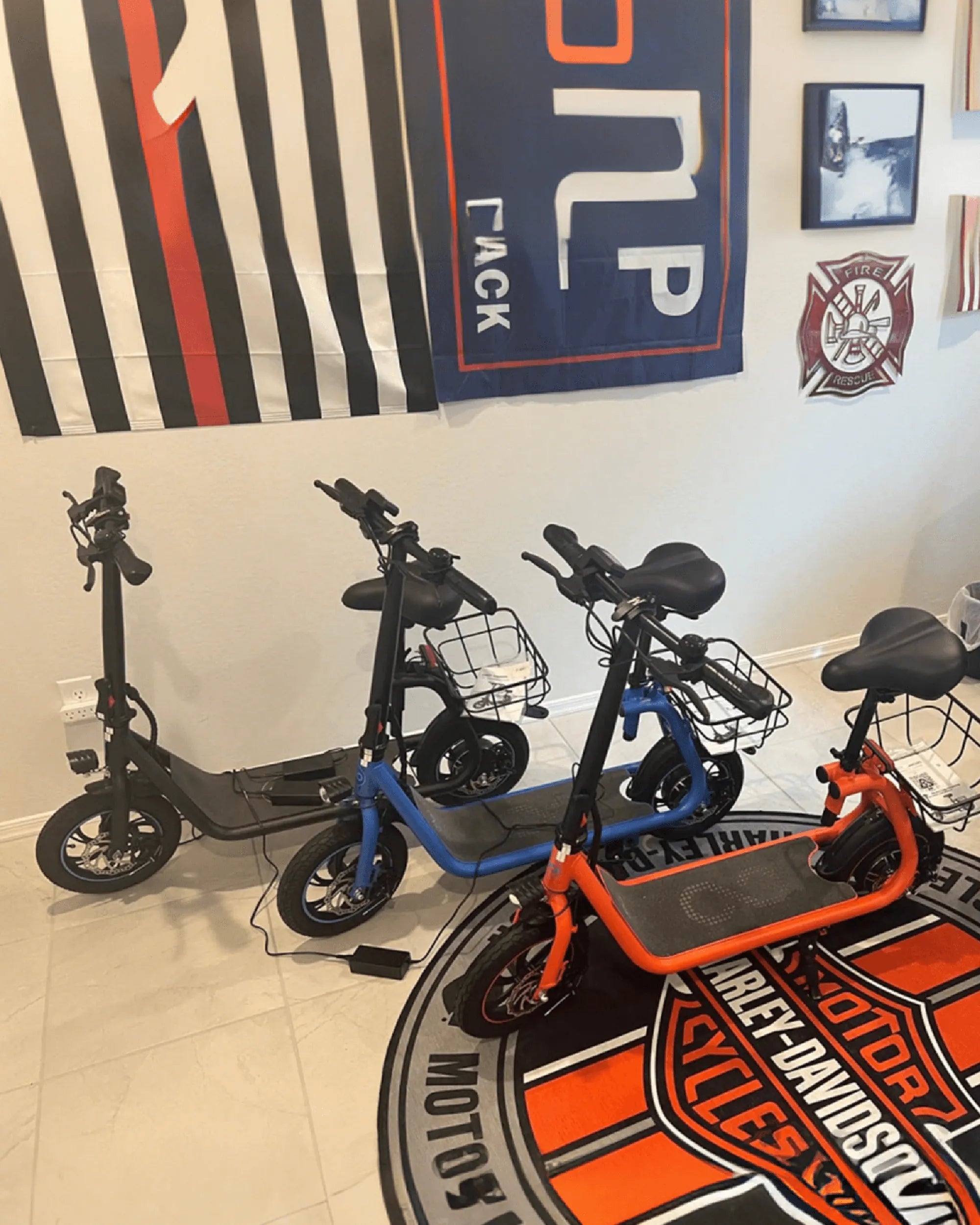
Introduction: The "I Don't Think So" Scooter Mentality Explained
When someone says "i don't think so scooter," they're usually expressing deep skepticism about electric scooters as legitimate transportation. This doubt stems from legitimate concerns about safety, durability, practicality, and value. Many people have seen cheap, unreliable models fail or heard horror stories about battery fires.
This article directly addresses every aspect of the "i don't think so scooter" mentality with factual data and engineering insights. We'll examine what separates toy-like devices from serious commuter vehicles, using specific examples from reputable manufacturers. The goal is to transform skepticism into informed confidence.
You'll learn how modern electric scooters from established brands have evolved beyond novelty items. They now offer certified safety systems, weather-resistant construction, and performance specifications that handle real-world commuting needs. The "i don't think so scooter" attitude often comes from experiences with inferior products.
By the end, you'll understand exactly what makes certain scooters worthy of serious consideration. We'll provide clear criteria for evaluation and specific features that address common objections. Let's examine why the "i don't think so scooter" perspective needs updating with current technological realities.
What Makes a Scooter Truly "Think So" Worthy?
The difference between a scooter that deserves skepticism and one that merits serious consideration comes down to engineering standards and component quality. A truly reliable scooter addresses fundamental concerns through certified components and thoughtful design.
When evaluating whether a scooter deserves your "i don't think so" dismissal, consider three critical factors: battery certification, water resistance rating, and warranty coverage. These elements directly correlate with safety, durability, and manufacturer confidence. Missing any of these should trigger your "i don't think so scooter" instinct.
Reputable manufacturers invest in third-party testing and certifications. These verifications provide objective evidence of quality beyond marketing claims. The absence of such certifications often explains why some scooters fail while others thrive in daily use.
Consider Gyroor as an example of addressing the "i don't think so scooter" concerns directly. With UL-certified batteries across all models, IPX5 water-resistant designs, and comprehensive 1-year warranties, they've built scooters that counter common objections systematically. This approach transforms the "i don't think so scooter" reaction into genuine consideration.
The Foundation of Trust: UL-Certification and Battery Safety
UL certification represents the most important factor in overcoming "i don't think so scooter" concerns about safety. Underwriters Laboratories testing involves rigorous evaluation of battery cells, charging systems, and thermal management. Certified batteries undergo hundreds of charge cycles under controlled conditions.
Uncertified batteries pose significant fire risks that justify the "i don't think so scooter" response. These cheaper alternatives often use inferior cells with inconsistent quality control. They lack proper battery management systems to prevent overcharging, overheating, and short circuits.
Gyroor addresses this core "i don't think so scooter" concern directly. All their models feature UL-certified battery packs tested for 500+ charge cycles. This certification means each battery has passed specific safety standards for electrical, mechanical, and environmental hazards. It's the difference between confidence and constant worry.
The practical impact extends beyond safety. UL-certified batteries maintain capacity better over time, providing consistent range throughout their lifespan. This reliability addresses another aspect of the "i don't think so scooter" mentality—the fear of being stranded by sudden power loss.
Built for the Real World: Water Resistance and Durability
IPX5 water resistance rating directly counters the "i don't think so scooter" objection about weather vulnerability. This certification means the scooter can withstand water jets from any direction, equivalent to heavy rain or puddle splashes. It's not about submersion but real-world weather conditions.
Without proper sealing, scooters suffer from water damage to controllers, motors, and electrical connections. This vulnerability justifies the "i don't think so scooter" response for commuters who encounter unexpected weather. IPX5 protection ensures occasional rain doesn't become a catastrophic failure.
Frame construction quality further addresses "i don't think so scooter" durability concerns. Aircraft-grade aluminum alloys, reinforced welding points, and proper stress distribution create scooters that withstand daily urban abuse. The difference becomes apparent after months of potholes, curbs, and carrying.
Gyroor's IPX5-rated designs demonstrate understanding of real-world conditions. Combined with their 1-year comprehensive warranty, these features show manufacturer confidence that counters the "i don't think so scooter" instinct. The warranty covers frame, motor, battery, and electronics against manufacturing defects.
Gyroor Scooters vs. Common Commuter Doubts: Direct Comparison
Let's examine how specific scooter specifications directly address the most frequent "i don't think so scooter" objections. This comparison uses actual performance data to show where modern scooters excel and where limitations remain.
| Commuter Doubt | Toy-Grade Scooter Reality | Gyroor Commuter Solution | Practical Outcome |
|---|---|---|---|
| "It won't handle hills" | 150-250W motor struggles above 5% grade | 350W-500W motors climb 15-20% grades | Handles most urban inclines without walking |
| "Range is insufficient" | 5-10 mile range with voltage sag | 25-40 mile range (tested conditions) | Covers most round-trip commutes |
| "It feels unstable" | Small wheels, poor deck grip, flexy stem | 10" air-filled tires, textured deck, reinforced stem | Confident riding at 15-20 mph |
| "Breaks constantly" | Plastic components, no warranty support | Metal construction, 1-year warranty, US support | Reliable daily use with backup |
| "Not weather resistant" | No rating, electrical failure in rain | IPX5 rating, sealed connectors | Handles wet roads and light rain |
This comparison shows why the blanket "i don't think so scooter" response needs nuance. Specifications matter tremendously, and reputable manufacturers design specifically to overcome these objections. The difference between disappointment and satisfaction often comes down to these engineering choices.
Motor power provides a clear example. Many "i don't think so scooter" experiences come from underpowered models that struggle on modest hills. Gyroor's 500W commuter models deliver 40 Nm of torque, enough for 15% grades at reduced speed. This capability transforms the scooter from flat-path only to legitimate urban transport.
Range anxiety fuels much "i don't think so scooter" skepticism. The key distinction lies in tested versus advertised range. Reputable brands provide realistic estimates based on standardized testing (165 lb rider, 70°F, moderate terrain). Gyroor's 25-40 mile ranges account for real variables like weight, temperature, and elevation changes.
After examining these comparisons, the "i don't think so scooter" perspective shifts from blanket dismissal to informed evaluation. Specific features directly address specific concerns, creating scooters worthy of commuter trust.
Doubt: "It Won't Handle My Daily Commute"
This core "i don't think so scooter" objection requires examining actual commute patterns. The average American commute is 16 miles round trip, well within the range of quality scooters. However, distance alone doesn't tell the full story.
Elevation changes often justify the "i don't think so scooter" response. Many cheaper scooters struggle with hills above 5% grade, forcing riders to walk. Commuter-grade scooters need sufficient torque and power management to maintain reasonable speeds on typical urban inclines.
Road surface quality affects the "i don't think so scooter" calculation significantly. Small solid tires transmit every bump, while 10-inch air-filled tires absorb imperfections. Suspension systems further improve comfort on rough pavement, making the scooter viable for more routes.
Carrying requirements influence whether a scooter deserves the "i don't think so" label. Foldable designs with reasonable weight (under 40 lbs) enable multimodal commuting. Combining scooter with public transit expands viable range beyond battery limits alone.
Doubt: "It's Not Safe or Legal to Ride"
Safety concerns rightly trigger the "i don't think so scooter" response when unaddressed. Responsible riding requires proper equipment, knowledge, and adherence to regulations. Quality scooters build safety into their design rather than treating it as an afterthought.
Integrated lighting systems address the "i don't think so scooter" visibility concern. Front headlights (500+ lumens), rear brake lights, and side reflectors make riders noticeable in traffic. These features should be standard on any commuter scooter, not optional accessories.
Braking performance justifies or undermines the "i don't think so scooter" position. Dual braking systems (electronic plus disc or drum) provide redundancy and controlled stopping power. Regenerative braking adds efficiency while reducing brake pad wear during normal deceleration.
Legal compliance varies locally, but generally follows bicycle regulations. Most cities allow scooters in bike lanes at speeds under 20 mph. Understanding local requirements transforms the "i don't think so scooter" uncertainty into confident, legal riding. Helmets remain essential regardless of legal minimums.
Doubt: "It Will Break Down and Leave Me Stranded"
Reliability concerns form a legitimate basis for the "i don't think so scooter" position. The difference between occasional maintenance and constant repairs comes down to component quality and design philosophy. Commuter scooters prioritize durability over minimal cost.
Tire selection illustrates this divide. Solid tires never go flat but provide terrible ride quality. Air-filled tires require occasional inflation but absorb impacts better. Quality scooters use puncture-resistant tubes or sealant to minimize flats while maintaining comfort.
Electrical system robustness separates scooter categories. Water-resistant connectors, sealed controllers, and proper heat dissipation prevent the failures that generate "i don't think so scooter" stories. These features add cost but prevent stranded situations.
Warranty coverage demonstrates manufacturer confidence. A comprehensive 1-year warranty like Gyroor's covers the complete scooter, not just selected components. Combined with responsive customer support, this protection network addresses the "i don't think so scooter" fear of abandonment after purchase.
Who Should Actually Say "I Don't Think So" to an E-Scooter?
Honest evaluation requires acknowledging when the "i don't think so scooter" response is appropriate. Electric scooters solve specific transportation problems well but aren't universal solutions. Recognizing limitations builds credibility for when they genuinely excel.
Extreme weather commuters might reasonably say "i don't think so scooter" to primary reliance. While IPX5 handles rain, daily heavy downpours or icy conditions make scooters impractical. Similarly, consistently sub-freezing temperatures reduce battery performance significantly.
Those with physical limitations affecting balance should consider the "i don't think so scooter" position carefully. While modern scooters are stable, they require standing balance during operation and mounting/dismounting. Alternative mobility solutions might serve better.
Commuters needing to transport large items regularly might find the "i don't think so scooter" response appropriate. Backpacks and handlebar bags work for groceries or laptops, but bulkier items require alternative transport. Recognizing this limitation prevents frustration.
Ideal Use Cases for a Commuter Scooter
Last-mile solutions represent the perfect scenario that counters the "i don't think so scooter" dismissal. Combining public transit with a scooter for the final 1-3 miles creates efficient door-to-door commuting. The scooter folds for bus or train transport.
Urban campus mobility explains why students increasingly reject the "i don't think so scooter" attitude. College campuses with spread-out buildings benefit tremendously from 10-15 mph scooter travel between classes. Charging between classes extends range indefinitely.
Short errands under 5 miles demonstrate where scooters excel over cars. Parking convenience, zero direct emissions, and minimal operating cost make scooters ideal for pharmacy runs, coffee trips, or visiting nearby friends. This utility often converts "i don't think so scooter" skeptics.
Car complement scenarios use scooters effectively. Keeping a scooter in your trunk enables parking further from crowded destinations, then scooting the final distance. This approach solves parking headaches while maintaining car availability for longer trips.
When to Consider Alternative Transportation
Very long daily commutes (over 15 miles one way) might justify the "i don't think so scooter" response for primary transportation. While possible with large battery models, comfort becomes an issue beyond 45 minutes of continuous standing. E-bikes or public transit might serve better.
Areas with consistently poor road surfaces or no bike infrastructure make the "i don't think so scooter" position reasonable. Even with suspension and large tires, severely broken pavement or gravel roads challenge scooter stability and safety.
Multiple passenger needs automatically trigger the "i don't think so scooter" response. Electric scooters are single-rider vehicles by design and regulation. Families or couples traveling together need alternative solutions like e-bikes with passenger capacity.
Those needing weather protection throughout their commute might reasonably say "i don't think so scooter" to year-round primary use. While rain gear helps, extended exposure in heavy weather remains uncomfortable compared to enclosed alternatives.
Frequently Asked Questions: From Skepticism to Clarity
Q1: Are electric scooters really safe for city riding?
Safety depends on scooter quality, rider skill, and adherence to traffic principles. Quality scooters from reputable brands like Gyroor include essential safety features: dual braking systems, bright lighting, reflectors, and speed governors. These features address the core concerns behind the "i don't think so scooter" safety objection.
Rider behavior significantly impacts safety outcomes. Defensive riding techniques, proper signaling, and route selection reduce risks substantially. Wearing a helmet remains non-negotiable regardless of local legal requirements. Combining quality equipment with responsible riding makes scooters viable for urban environments.
Q2: How does the IPX5 rating actually protect my scooter?
IPX5 certification means the scooter can withstand water jets from any direction equivalent to heavy rain or road spray. The protection focuses on electrical components: motor, controller, battery compartment, and connections. Sealed bearings and gaskets prevent water ingress that causes corrosion and failure.
This protection directly addresses the "i don't think so scooter" concern about weather vulnerability. It doesn't mean submersible or suitable for pressure washing, but handles real-world wet conditions. Proper maintenance after wet riding (wiping down, avoiding immediate charging) extends this protection's effectiveness.
Q3: What does a comprehensive 1-year warranty cover?
A quality warranty like Gyroor's covers manufacturing defects in frame, motor, battery, controller, and electrical systems. This includes battery capacity dropping below 80% within the warranty period, motor failures, and frame integrity issues. It represents the manufacturer's confidence countering the "i don't think so scooter" reliability concern.
Warranty service typically involves troubleshooting support, then replacement parts or whole-unit exchange if needed. The presence of US-based support teams improves response times compared to overseas-only operations. This support network transforms the "i don't think so scooter" fear of abandonment into confidence.
Q4: How difficult is it to learn to ride an electric scooter?
Most adults learn basic scooter operation within 15-30 minutes. Balance comes naturally to those who can ride bicycles, though scooters are generally more stable at low speeds. The learning curve addresses the "i don't think so scooter" concern about accessibility.
Starting in empty parking lots or quiet streets builds confidence gradually. Modern scooters feature progressive acceleration curves that prevent sudden jerks. Practice sessions focusing on braking, turning, and mounting/dismounting create competent riders quickly. The barrier is psychological more than physical for most people.
Q5: Where am I actually allowed to ride my scooter legally?
Regulations vary locally but generally follow bicycle rules: bike lanes, multi-use paths, and roads with speed limits under 35 mph. Most cities prohibit sidewalk riding for adult scooters. This legal clarity helps overcome the "i don't think so scooter" uncertainty about proper usage.
Speed limits typically cap at 15-20 mph in bike lanes, though some models can exceed this. Responsible riding means matching speed to surroundings regardless of capability. Checking local ordinances before riding prevents violations that reinforce negative "i don't think so scooter" perceptions about legality.
Conclusion: Transforming "I Don't Think So" into Confident Riding
The "i don't think so scooter" mentality stems from legitimate concerns about safety, reliability, and practicality. Quality scooters from reputable manufacturers address these concerns directly through engineering and certification. UL-approved batteries, IPX5 water resistance, and comprehensive warranties build the trust that counters skepticism.
Modern electric scooters have evolved beyond toys into legitimate transportation solutions for specific use cases. Last-mile commuting, urban errands, campus mobility, and car complement scenarios demonstrate where scooters excel. Recognizing both capabilities and limitations creates realistic expectations that prevent disappointment.
Gyroor's approach exemplifies how serious manufacturers counter the "i don't think so scooter" instinct. With over 100,000 riders across North America and Europe, their focus on certified safety and durable design has built trust through performance. The 4.5/5 average customer rating reflects successful addressing of common concerns.
Your transportation needs deserve solutions that match your lifestyle. If your daily patterns align with scooter strengths, explore models designed for commuter reliability rather than toy-like minimalism. The right scooter transforms "i don't think so" into "let's go" through consistent performance and thoughtful engineering. Browse the full Gyroor collection at gyroorboard.com to find your match.
New Tricycle: The Ultimate Guide to Modern Three-Wheeled Mobility
E Bike Fat Bicycle: The Ultimate Guide to All-Terrain Electric Freedom