

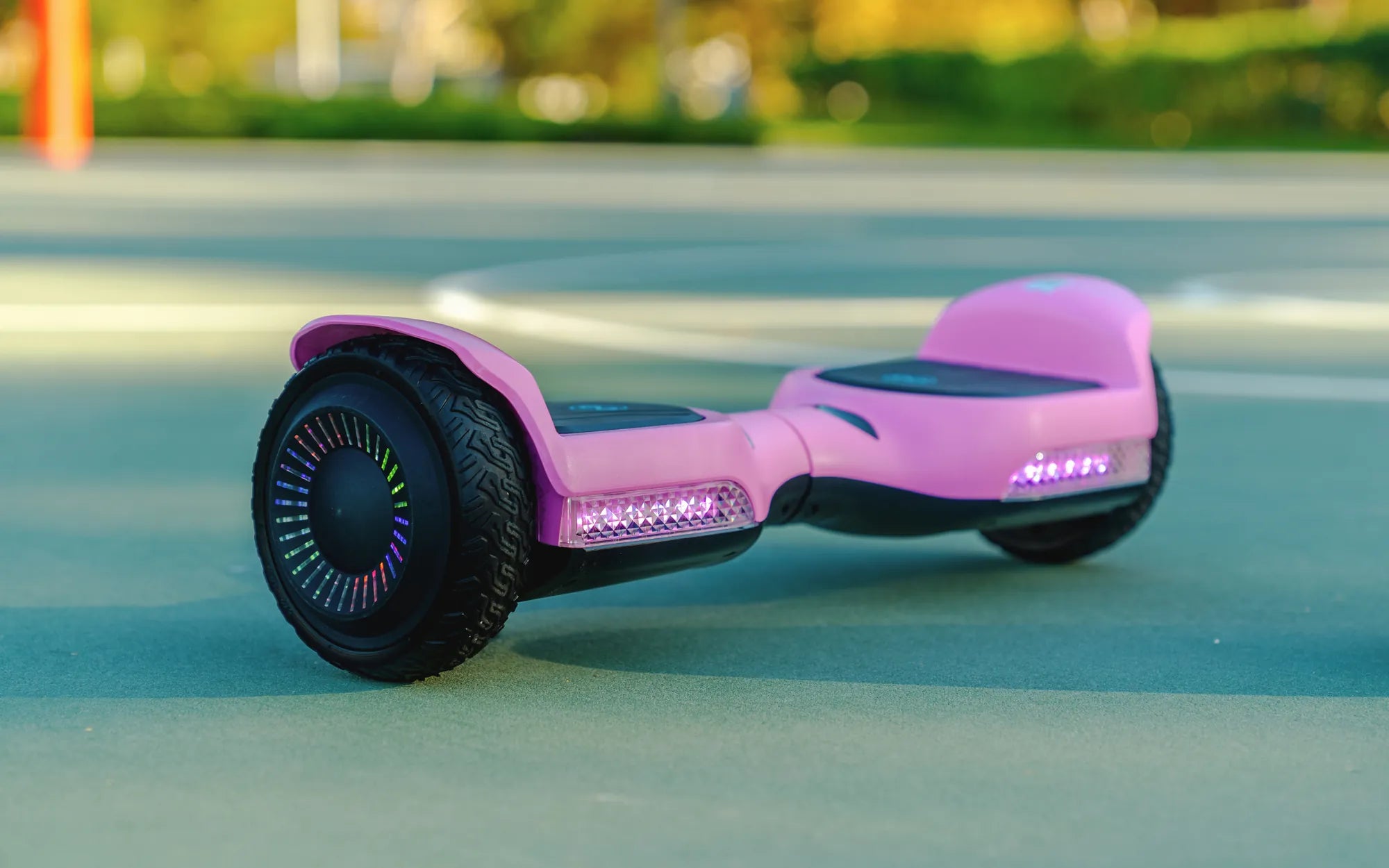
Introduction: The Hoverboard Dream and Today's Reality
The phrase "I want a hoverboard" conjures images of Marty McFly gliding above pavement. While true anti-gravity levitation remains in labs, the spirit of that innovation lives on. Today's market offers advanced personal electric vehicles (PEVs) that deliver the futuristic thrill, freedom, and efficiency we imagined. Brands like Gyroor have turned science fiction into accessible science fact with reliable, high-performance rides.
This article cuts through the hype to examine the tangible future of personal transportation. We'll decode what "hoverboard" means now, explore the critical features that define a quality ride, and compare the different vehicle types fulfilling this modern desire. The goal is to equip you with the knowledge to choose a safe, enjoyable, and practical machine that fits your life.
Forget knockoffs and fire hazards. The new era is defined by UL-certified safety, robust engineering, and smart design. Whether your dream is effortless commuting, weekend adventure, or simply the joy of a new skill, the right vehicle is waiting. Let's explore how the statement "I want a hoverboard" translates into a smart purchase today.
What Does "I Want a Hoverboard" Really Mean Today?
When someone says "I want a hoverboard," they're rarely asking for literal levitation. The statement encodes several core desires for modern transportation. It's a wish for a fun, intuitive, and eye-catching way to move. It's a demand for technology that feels personal and cutting-edge. Ultimately, it's about reclaiming short trips from traffic and monotony.
This desire is fulfilled by three main categories of personal electric vehicles. First, the self-balancing scooter, often commercially called a hoverboard. Second, the electric kick scooter, a dominant force in urban micro-mobility. Third, electric bikes and all-terrain boards, which offer extended range and power. Gyroor's product range expertly covers all three, providing solutions for every interpretation of the dream.
The common thread is electric propulsion and compact form. These vehicles represent a shift towards decentralized, on-demand transport. They solve the "last-mile" problem, reduce carbon footprints, and inject pure enjoyment into daily travel. Understanding your primary need—fun, commute, or adventure—is the first step to finding your perfect match.
Choosing begins with self-reflection. Is your goal a quick trip to the coffee shop, a full commute replacement, or exploring park trails? Your answer will steer you towards the right type of vehicle. Each category offers a distinct balance of stability, speed, range, and portability, which we will break down in detail.
Key Features to Look For in a Modern "Hoverboard"
If a self-balancing scooter is your target, knowing what separates a quality product from a hazardous toy is paramount. The market's early days were plagued with safety issues, but stringent standards now exist. Prioritizing these features ensures your investment is safe, durable, and performs as promised.
Safety First: Battery and Build Quality
The battery is the heart of your vehicle and its most critical safety component. Insist on UL 2272 certified battery packs. This standard rigorously tests for electrical, mechanical, and environmental safety to prevent thermal runaway and fire. Gyroor uses exclusively UL-certified batteries, tested for over 500 charge cycles, as a non-negotiable foundation.
Build quality extends beyond the battery. A robust, reinforced frame made from high-grade aluminum or alloy can withstand the stresses of riding. The gyroscope and self-balancing system must be precise and responsive for stable control. Look for models with a stated weight capacity that exceeds your own, indicating a sturdy construction.
Never compromise on these elements. A certified battery and solid build are the bare minimum for a reputable brand. They are your primary defense against catastrophic failure and physical injury. This is where trusted brands with proven track records, like Gyroor, provide essential peace of mind.
Performance and Practicality: Speed, Range, and Terrain
Performance specs should align with realistic expectations. A typical self-balancing scooter offers speeds between 6-10 mph, perfect for sidewalks and park paths. Range varies from 10 to 15 miles on a single charge, influenced by rider weight, terrain, and temperature. Always consider real-world range, not just ideal laboratory conditions.
Terrain capability is dictated by wheel size and motor power. Standard 6.5-inch wheels are fine for smooth indoor surfaces. For outdoor use, 8.5-inch or 10-inch wheels provide better stability and handle minor bumps. Dual motors, typically 350W each, offer the torque needed for gentle slopes and rougher surfaces like packed dirt or grass.
Consider the rider learning curve. Self-balancing scooters require core engagement and practice. Mastery usually takes 30-60 minutes for basic maneuvering. This hands-on control is part of the appeal for many, offering a unique and engaging riding experience distinct from standing on a scooter deck.
Durability and Warranty: Investing in Peace of Mind
Durability features protect your investment from daily wear. An IPX5 water-resistance rating is crucial. It means the unit can withstand low-pressure water jets from any direction, allowing you to ride through puddles or in light rain without immediate damage. This is a key feature for practical, everyday use.
A comprehensive warranty is a sign of manufacturer confidence. Look for at least a 1-year warranty covering major components like the battery, motor, and control board. Equally important is accessible customer support and a clear service channel. Gyroor backs its products with a reliable 1-year warranty, supported by its established presence in North America and Europe.
These factors—water resistance and strong warranty support—transform a fun gadget into a dependable transport tool. They ensure that your vehicle can handle the realities of daily life and that you have help if an issue arises, protecting your purchase in the long term.
Beyond Two Wheels: Exploring Your Personal E-Transport Options
The self-balancing scooter is just one path. Other personal electric vehicles capture the same futuristic spirit while offering different advantages in stability, speed, and utility. Expanding your view ensures you find the perfect machine for your specific lifestyle and needs.
Electric Kick Scooters: The Urban Commuter's Choice
Electric kick scooters have become the workhorse of urban micro-mobility. They offer a more intuitive riding experience for most adults, with a handlebar for steering and a simple thumb throttle. This design provides greater stability at higher speeds, making them ideal for navigating city streets and bike lanes confidently.
Performance metrics often surpass standard hoverboards. Commuter models easily reach speeds of 15-20 mph and offer ranges of 15-25 miles. Features like suspension systems, pneumatic tires, and electronic braking enhance comfort and safety on varied urban terrain. Their foldable design makes them perfect for mixed-mode commuting (e.g., scooter to train to scooter).
For the rider whose "I want a hoverboard" dream is really about efficient, clean, daily travel, an electric kick scooter is frequently the optimal choice. It delivers the futuristic feeling with unparalleled practicality for the urban environment.
Electric Bikes and Mountain Boards: For Power and Off-Road Adventure
When your transportation needs involve longer distances, steep hills, or a thirst for off-road adventure, electric bikes and all-terrain electric boards step in. E-bikes provide pedal-assist or full throttle power, extending your range to 20-40 miles or more and flattening daunting hills. They are true car replacements for many errands and commutes.
For the ultimate in off-road thrill, all-terrain electric skateboards or mountain boards with large, rugged tires and powerful dual motors conquer dirt paths, gravel, and grass. These vehicles are for the rider who sees personal transport as an extension of outdoor recreation, offering an adrenaline-pumping experience that a sidewalk-bound device cannot match.
Both categories represent the high-power, high-capability end of the personal e-transport spectrum. They fulfill the desire for freedom and exploration on a grander scale, proving that the future of personal transportation is not one-size-fits-all but beautifully diverse.
Making Your Choice: A Comparison for the Future-Minded Rider
To visualize the differences, here is a clear comparison of the three primary vehicle types. Use this table to align each option's strengths with your primary use case.
| Vehicle Type | Best For | Key Advantage | Typical Range | Ideal User Profile |
|---|---|---|---|---|
| Self-Balancing Scooter (Gyroor Hoverboard) | Fun & Skill Learning | Compact, intuitive cool factor, engaging ride | 10-12 miles | Teens, casual riders, short recreational trips |
| Electric Kick Scooter (Gyroor Commuter) | Urban Commuting | Speed, stability & portability for last-mile trips | 15-25 miles | Daily commuter, city dweller, practical adult rider |
| Electric Bike/Off-Road Board (Gyroor All-Terrain) | Adventure & Errands | Power, range & terrain capability | 20-40+ miles | Off-road enthusiast, longer-distance traveler, cargo hauler |
This comparison highlights a clear trade-off between specialized fun and broad utility. The self-balancing scooter excels as a recreational device. The electric scooter is the urban multi-tool. The e-bike or mountain board is for extended range and challenging terrain. Your daily routine will point you to the right column.
Consider storage and portability. Self-balancing scooters and foldable e-scooters win for apartment living and combining with public transit. E-bikes require more storage space but offer greater cargo potential. Weighing these practicalities ensures your new vehicle seamlessly integrates into your life, rather than becoming a cumbersome novelty.
Safety, Legality, and Riding Etiquette
Owning a advanced PEV comes with responsibility. Safe operation protects you, your device, and those around you. It also ensures the positive growth of micro-mobility by fostering goodwill in shared spaces.
Protective gear is non-negotiable. A certified bicycle or multi-impact helmet is the absolute minimum. Wrist guards, knee pads, and elbow pads are highly recommended, especially for beginners on self-balancing scooters. They prevent the most common injuries from falls. Investing in safety gear is as important as investing in the vehicle itself.
Legality varies significantly by municipality. Generally, bike lanes and multi-use paths are safe zones. Riding on sidewalks is often restricted or banned due to pedestrian safety concerns. Riding on roads may be illegal for certain device types. Always check your local city and state regulations before riding. Ignorance of the law is not a valid defense.
Practice riding etiquette. Yield to pedestrians, signal your intentions, maintain a controllable speed in crowded areas, and avoid riding under the influence. Use lights and reflective materials when riding at dawn, dusk, or night. Being a courteous rider helps build a positive reputation for the entire community of personal e-transport users.
Maintenance Tips for Longevity
Proper maintenance maximizes your vehicle's lifespan, performance, and safety. A few simple habits can prevent major issues and keep your ride smooth for years. Regular checks are quick and easy to perform.
Start with tire pressure (for pneumatic tires). Under-inflated tires increase rolling resistance, reducing range and making the ride sluggish. Over-inflated tires risk blowouts and give a harsher ride. Check pressure weekly with a gauge and inflate to the PSI range printed on the tire sidewall.
Keep the vehicle clean, especially after riding in wet or dirty conditions. Wipe down the frame and deck with a damp cloth. Avoid direct high-pressure water sprays on connectors or the charging port. Regularly inspect for loose bolts, screws, or any unusual sounds from the motors or bearings. Tighten any fasteners as needed.
Battery care is paramount. Avoid draining the battery to 0% regularly. Try to recharge when it reaches 20-30%. Do not leave the battery fully depleted for extended periods. Store the device in a cool, dry place, away from extreme temperatures. Following the manufacturer's specific charging instructions, like those provided by Gyroor, will ensure you get the full 500+ charge cycles from your battery.
Frequently Asked Questions (FAQs)
Q: Are hoverboards safe to use now?
A> Yes, modern self-balancing scooters from reputable brands with UL 2272 certified batteries, like Gyroor, are engineered to be very safe. The notorious fire risks of early, uncertified models have been largely eliminated by these stringent safety standards. Safe riding practices and protective gear further mitigate risk.
Q: How long does it take to learn to ride a self-balancing scooter?
A> Most people gain basic control—mounting, dismounting, moving forward, and gentle turns—within 30 to 60 minutes of practice in a safe, open area. Full confidence and advanced maneuvers may take a few days of regular use. It's a skill that improves quickly with consistent practice.
Q: Can I ride my personal electric vehicle in the rain?
A> It depends on the device's IP rating. Models with an IPX5 rating, common in quality brands, can handle light rain and puddles. However, no consumer PEV is fully waterproof or submersible. Avoid heavy downpours, deep puddles, and always dry the unit thoroughly after riding in wet conditions to prevent corrosion.
Q: What is the difference between a hoverboard and an electric scooter?
A> The primary difference is the control interface. A "hoverboard" (self-balancing scooter) uses pressure-sensitive foot pads and body leaning for steering and speed control without handlebars. An electric kick scooter has a handlebar for steering, a deck to stand on, and a hand-operated throttle and brake, offering a more traditional and stable riding posture.
Q: Do I need a license or insurance to ride these?
A> In most regions, for the devices discussed here (with top speeds under 20 mph), you do not need a driver's license, vehicle registration, or insurance. However, laws are evolving. Always verify the specific regulations for your area, as higher-speed e-bikes or scooters may have different requirements.
Your Future of Personal Transportation Awaits
The dream of personal, futuristic transportation is no longer confined to movies. It's available today in the form of sophisticated, safe, and exhilarating electric vehicles. Whether your initial desire was for a hoverboard, the exploration likely revealed a spectrum of options tailored to fun, function, or adventure.
The key is to move forward with informed confidence. Prioritize certified safety, realistic performance, and dependable brand support. Define your primary use case—be it a quick recreational glide, a seamless daily commute, or weekend trail exploration—and let that guide your choice. This decision is an investment in freedom, efficiency, and joy.
Gyroor embodies this new era with a commitment to UL-certified batteries, IPX5 water-resistant designs, and robust warranties across its range of self-balancing scooters, electric kick scooters, and all-terrain vehicles. Trusted by over 100,000 riders, the brand represents the reliable realization of the personal e-transport dream.
Ready to stop dreaming and start riding? Your journey into the future of personal transportation begins with choosing the right machine. Browse the full Gyroor collection at gyroorboard.com to find the certified, high-performance vehicle that will redefine how you move.
Smart Self Balancing Scooter 6.5: The Future of Urban Mobility
Smart Self Balancing Scooter 6.5: The Future of Urban Mobility