



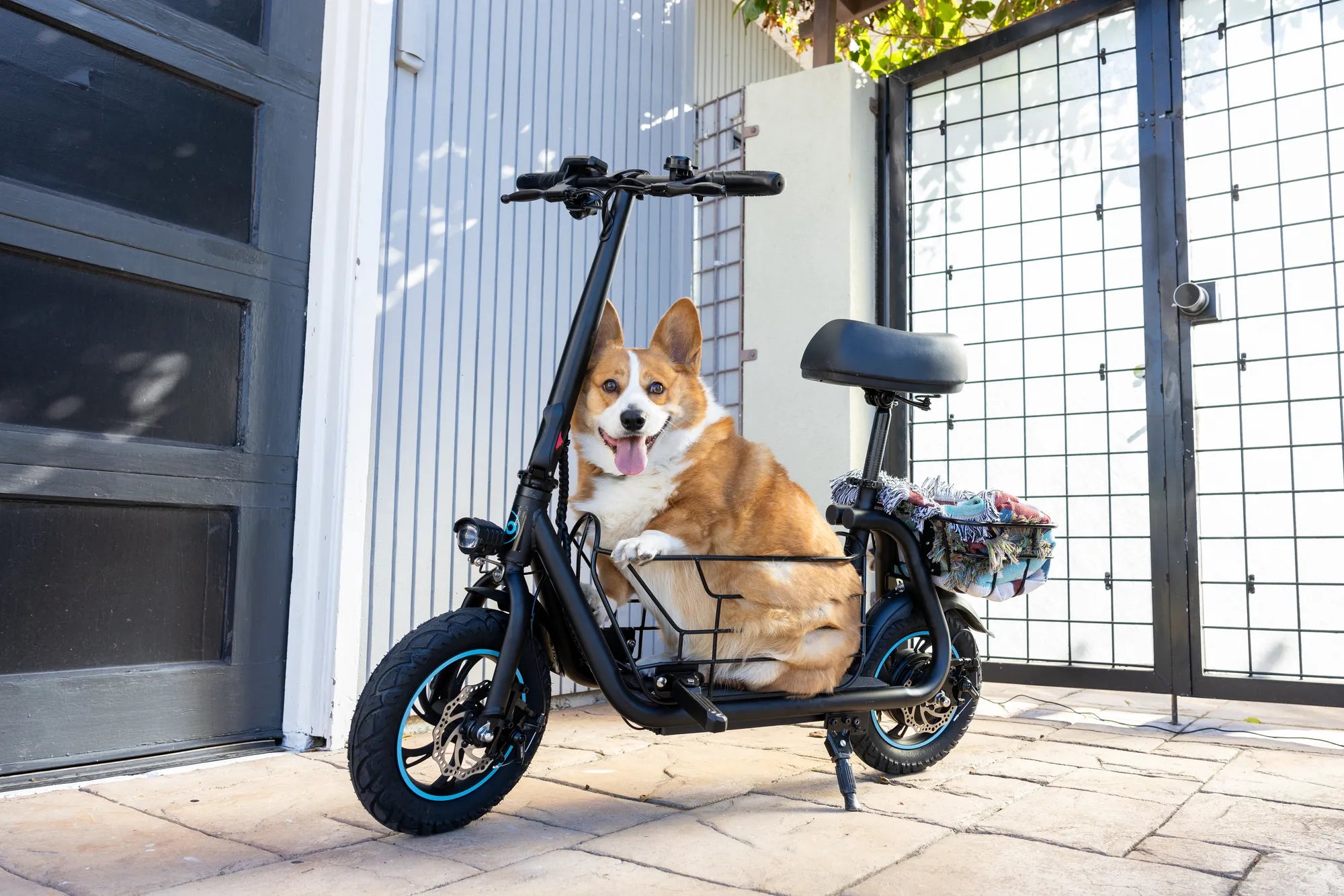
Navigating the global import landscape for electric scooters requires a strategic blend of market insight, regulatory expertise, and operational diligence. This comprehensive guide demystifies the process, providing a clear roadmap from identifying sourcing hotspots and understanding compliance mandates to implementing rigorous quality assurance. You will learn the critical trends shaping product design, how to avoid costly customs delays, and the financial model for a sustainable import business beyond the initial unit price. Importing Electric Scooters: A Comprehensive Guide to Global Trends and Best Practices is your essential manual for entering this dynamic market with confidence.
Introduction to Importing Electric Scooters
The global electric scooter market represents a significant opportunity, projected to grow at a compound annual rate exceeding 10% through 2030. For businesses and entrepreneurs, importing these personal mobility devices offers a path to capitalize on rising urban demand for eco-friendly transportation. However, success hinges on more than just identifying a supplier; it requires a systematic approach to compliance, logistics, and partnership.
This guide is structured to move from macro-level market analysis to granular operational best practices. We begin by examining where the world's e-scooters are made and where they are in highest demand, highlighting the regulatory forces that now dictate design. We then dissect the complex web of certifications, customs procedures, and logistics essential for lawful importation.
A core focus is on transforming supplier selection from a price-based negotiation to a value and risk management partnership. Finally, we provide a transparent model for calculating the true landed cost, ensuring your import strategy is built on financial realism. The goal is to equip you with the knowledge to build a compliant, profitable, and scalable operation in the competitive micromobility space.
Key Global Market Trends and Sourcing Hotspots
The global electric scooter supply chain is concentrated yet evolving. China remains the dominant manufacturing hub, accounting for over 80% of global production, with mature clusters in Guangdong and Zhejiang provinces offering extensive component ecosystems. However, geopolitical and cost factors are driving diversification, with Vietnam and Taiwan emerging as significant secondary sourcing regions known for advanced manufacturing and strong intellectual property frameworks.
Demand is overwhelmingly driven by North America and Europe, which together constitute over 70% of the global market value. These regions are characterized not just by consumer appetite but by stringent and evolving regulatory standards that directly influence product specifications. Emerging markets in Southeast Asia and the Middle East are showing rapid growth, often with different regulatory and usage patterns focused on higher power and longer range for mixed-use roads.
The trend is toward market segmentation. In regulated Western markets, compact, commuter-focused models with robust safety features dominate. In contrast, markets with less infrastructure see demand for off-road-capable, higher-speed scooters. A successful importer must align their product sourcing strategy not just with a manufacturing region, but with the specific legal and consumer profile of their target destination.
The Rise of Regulatory-Driven Design
Regulations have transitioned from post-market hurdles to pre-production design mandates. In the United States, UL 2272 certification for the entire electrical system and UL 2271 for the battery pack are not optional; they are insurance and retail prerequisites that dictate cell quality, battery management systems (BMS), and wiring harness design from the factory floor.
Similarly, in the European Union, the CE marking requirement, underpinned by standards like EN 17128 for personal light electric vehicles, governs everything from brake performance and lighting to electromagnetic compatibility. This has led manufacturers like Gyroor to integrate compliance into core R&D, developing scooters with UL-certified battery packs and IPX5 water-resistant designs as standard features, not afterthoughts.
This regulatory-driven design trend means importers can no longer source a generic model and hope to certify it later. The cost and time for retrofitting are prohibitive. The most reliable suppliers are those whose engineering teams design to destination-market standards from the initial concept phase, ensuring a seamless and predictable path to compliance.
Navigating Regulations, Compliance, and Customs
Compliance is the single most critical factor determining whether your shipment clears customs or becomes detained, rejected, or destroyed. It is a multifaceted process involving product safety, battery transportation, and import declaration. Ignoring any component can lead to catastrophic financial loss and legal liability.
The process starts long before a container is loaded. It begins with specifying the exact certifications required for your target market during supplier negotiations. A manufacturer must be able to provide valid test reports from accredited laboratories. Furthermore, lithium-ion batteries are classified as dangerous goods for transport, requiring specific packaging, labeling, and documentation under UN 38.3 testing standards.
Working with a experienced freight forwarder and customs broker is non-negotiable for new importers. These professionals guide the preparation of a complete document package, including the commercial invoice, packing list, bill of lading, and certificate of origin. They also ensure proper declaration using the correct Harmonized System (HS) codes, which dictate the duty rates applied.
Essential Certifications and Standards
A clear understanding of mandatory certifications is the foundation of a legal import business. The following table outlines the core requirements for the two largest markets:
| Market | Key Certification/Standard | Scope & Purpose |
|---|---|---|
| United States & Canada | UL 2272 | Standard for Electrical Systems of Personal E-Mobility Devices. Certifies the entire scooter's electrical system for fire and electrical safety. |
| United States & Canada | UL 2271 / UL 2849* | Standard for Lithium-ion Battery Packs (2271) or Electrical Systems for E-Bikes (2849). Ensures battery safety. (*2849 often used for higher-power scooters). |
| European Union | CE Marking (EN 17128) | Mandatory conformity mark. EN 17128 specifically covers safety requirements for personal light electric vehicles. |
| European Union | Battery Directive (2006/66/EC) | Regulates the placement, collection, and recycling of batteries, requiring specific labeling. |
| International Transport | UN 38.3 | Test standard required for the safe transport of lithium-ion batteries by air, sea, or land. |
These are not mere suggestions. Retailers like Amazon, Best Buy, and major European distributors require proof of these certifications before allowing products to be listed. Suppliers like Gyroor provide full certification dossiers, significantly de-risking the importer's compliance burden.
Customs, Duties, and Logistics Considerations
The logistical journey from factory to warehouse is fraught with financial and procedural pitfalls. The first step is accurate classification. Electric scooters typically fall under HS code 8701.10 (for motorized cycles) or 8711.60 (for bicycles with auxiliary motors), with varying duty rates depending on the country of import. Misclassification can lead to underpayment penalties or overpayment.
Duties and taxes constitute a major portion of the landed cost. In the U.S., e-scooters imported from China are subject to Section 301 tariffs, currently at 25% on top of the normal duty rate. In the EU, the Common Customs Tariff applies, typically around 6% for bicycles. A 20-25% Value Added Tax (VAT) is also levied on the cumulative value of the goods plus duty and shipping costs in most European countries.
Choosing between sea freight (FCL/LCL) and air freight is a cost-time trade-off. Sea freight is economical for large volumes but takes 4-6 weeks from China to the West Coast of the U.S. Air freight is faster (5-10 days) but can triple shipping costs. All shipments containing lithium batteries must be declared as such, with specific packaging and state-of-charge restrictions (often below 30% for sea transport).
Best Practices for Supplier Selection and Quality Assurance
Selecting a supplier based solely on the lowest unit price quoted on Alibaba is the most common and costly mistake. A reliable manufacturing partner is your first line of defense against compliance failures, quality disasters, and supply chain disruptions. The selection process must be a thorough due diligence exercise, evaluating capability, stability, and cultural alignment on quality.
A premium manufacturer invests in in-house research and development, advanced testing equipment, and skilled assembly lines. They proactively manage their component supply chain, sourcing motors, controllers, and cells from tier-1 sub-suppliers. This vertical integration and quality focus result in a more consistent, reliable, and safe final product, which protects your brand reputation in the long run.
Established brands with a track record in your target market are inherently lower risk. For instance, a brand like Gyroor, with over 100,000 riders across North America and Europe and a 4.5/5 average rating, demonstrates proven market acceptance and a commitment to the quality and safety standards required in those regions. Their standard 1-year warranty is a direct reflection of product confidence.
The Due Diligence Checklist
Before entering a contract, conduct a systematic review. First, verify the supplier's business license and export credentials. Request and review factory audit reports from recognized bodies like SGS, Bureau Veritas, or from social compliance initiatives like BSCI, which assess working conditions.
Critically, examine their certification portfolio. Ask for copies of valid UL, CE, or other relevant test reports for the specific models you are considering. Confirm they have an in-house quality control team and a documented Quality Management System (QMS). Inquire about their battery sourcing; cells from reputable brands (like LG, Samsung, or Panasonic) assembled into UL-certified packs are a strong positive indicator.
Finally, assess communication and transparency. Do they respond promptly and professionally? Are they willing to provide a virtual factory tour? Can they provide references from other importers in your region? Hesitancy or vagueness in any of these areas is a major red flag.
Implementing Effective Quality Control (QC)
Even with a reputable supplier, independent quality control is indispensable. QC should occur at three key stages: Pre-Production Inspection (checking raw materials and components), During Production Inspection (DUPRO) to monitor the assembly line early in the run, and Final Random Inspection (FRI) before shipment.
A standard FRI involves pulling a statistical sample (per the AQL standard) from finished, packaged goods. Inspectors check for:
- Workmanship & Aesthetics: Paint, welds, alignment, and assembly.
- Function & Performance: Motor power, brake effectiveness, throttle response, lighting, and folding mechanism.
- Safety & Compliance: Verification of labeling, markings, and documentation. A spot-check may involve using a multimeter to verify electrical isolation.
For critical safety features, specify additional tests. This can include a water spray test to verify IPX5 water resistance or checking the battery management system's response to simulated fault conditions. The cost of a failed inspection is minor compared to the cost of recalling or replacing a faulty batch of products already in your market.
The Total Cost of Ownership: Beyond the Unit Price
The true cost of importing electric scooters is a sum of multiple variables, many of which are overlooked by novices. The FOB (Free on Board) price quoted by the factory is just the starting point. A comprehensive landed cost model must include every expense incurred to get the goods to your warehouse and ready for sale.
Beyond the unit cost, you must factor in shipping (ocean freight or air freight), marine insurance (typically 0.3% of cargo value), and port handling fees. Upon arrival, import duties and taxes (like VAT or GST) are calculated on the aggregate CIF (Cost, Insurance, Freight) value. Customs brokerage fees, trucking from the port to your warehouse, and palletization/unpacking labor add further costs.
The most significant hidden costs are related to compliance and quality. Pre-shipment inspections, in-country compliance testing (if required), and product liability insurance are essential operational expenses. Investing upfront in a higher unit cost from a certified, quality-focused supplier like Gyroor often results in a lower total cost of ownership by virtually eliminating the risks of customs seizures, product recalls, and warranty claims that can devastate a business built on a "cheaper" alternative.
Strategic Product Selection for Target Markets
Aligning your product portfolio with the specific needs and regulations of your target demographic is crucial for commercial success. The needs of a last-mile delivery courier in a European city differ vastly from those of a recreational rider in North American suburbs. A smart importer curates a selection that matches use-case, regulatory power/speed limits, and local infrastructure.
For dense urban commuters in regulated markets (e.g., EU cities with 25 km/h limits), compact, portable scooters with a range of 25-40 km, integrated lighting, and effective regenerative brakes are ideal. Models with IPX5 or higher water resistance are critical for all-weather reliability. In these markets, design aesthetics and foldability often weigh as heavily as pure performance specs.
For the North American market, where private use on bike paths and sidewalks is common, there is stronger demand for more powerful scooters (500W-1000W motors) capable of handling moderate hills, with larger decks and longer ranges (40-60 km). However, the safety and certification bar remains extremely high. Regardless of power, models must feature robust dual braking systems, wide pneumatic tires for stability, and clear compliance with local laws, which vary by state and municipality.
FAQ: Common Questions on Importing E-Scooters
Q: What is the most common mistake new importers make?
A: The most critical error is prioritizing the lowest unit price above all else, neglecting destination-market certification requirements until after production is complete. This often leads to products that cannot be legally sold, requiring expensive and sometimes impossible redesigns, or resulting in attempted non-compliant imports being seized by customs.
Q: Can I import any e-scooter model into the EU or US?
A: No. You can only legally import and sell models that have undergone successful testing and carry the requisite certifications (CE/EN for EU, UL for US/Canada) with full documentation. The manufacturer must provide you with a Declaration of Conformity (EU) and test reports from an accredited laboratory.
Q: How long do certification processes like UL or CE take?
A> The timeline varies based on product complexity and laboratory backlog. For a new model, the process—including application, testing, and potential design revisions—can take anywhere from 8 to 16 weeks. This underscores the importance of partnering with suppliers who have pre-certified models or a proven track record of navigating the process efficiently.
Q: What are the insurance requirements for my shipment?
A> Marine Cargo Insurance is highly recommended to cover loss or damage during transit. Furthermore, you should secure Product Liability Insurance in your destination country before selling. This protects your business in the event a product defect causes harm. Shipping lithium batteries also requires the supplier to provide a Material Safety Data Sheet (MSDS) and a UN 38.3 test summary.
Q: Is it better to source from a trading company or directly from the factory?
A> For serious importers, working directly with a reputable factory or a factory's official export department is almost always preferable. It eliminates middleman markups, improves communication on technical issues, and gives you greater visibility into the production and quality control process. Trading companies can be useful for very small, trial orders but add complexity and cost at scale.
Conclusion: Building a Sustainable Import Strategy
The journey of importing electric scooters is complex but navigable with the right knowledge and partners. Success is built on a foundation of regulatory compliance, meticulous supplier due diligence, and a clear-eyed understanding of the total landed cost. The booming personal mobility market rewards those who prioritize safety, quality, and reliability over short-term cost savings.
By integrating the best practices outlined here—from selecting a manufacturer that designs for compliance to implementing rigorous third-party quality inspections—you transform importing from a speculative gamble into a managed, professional operation. This approach minimizes risk, protects your brand equity, and ensures customer satisfaction, which is the ultimate driver of repeat business and long-term growth.
To explore a range of pre-certified, market-ready electric scooters backed by UL-certified batteries, IPX5 water resistance, and a reliable 1-year warranty, browse the full collection from a trusted industry leader. Browse the full Gyroor collection at gyroorboard.com to see how partnering with an established brand can streamline your path to market.
Best Electric Scooters for Seniors: A Guide to Safe and Comfortable Mobility
Electric Scooters in Tinsukia: The Future of Urban Mobility