

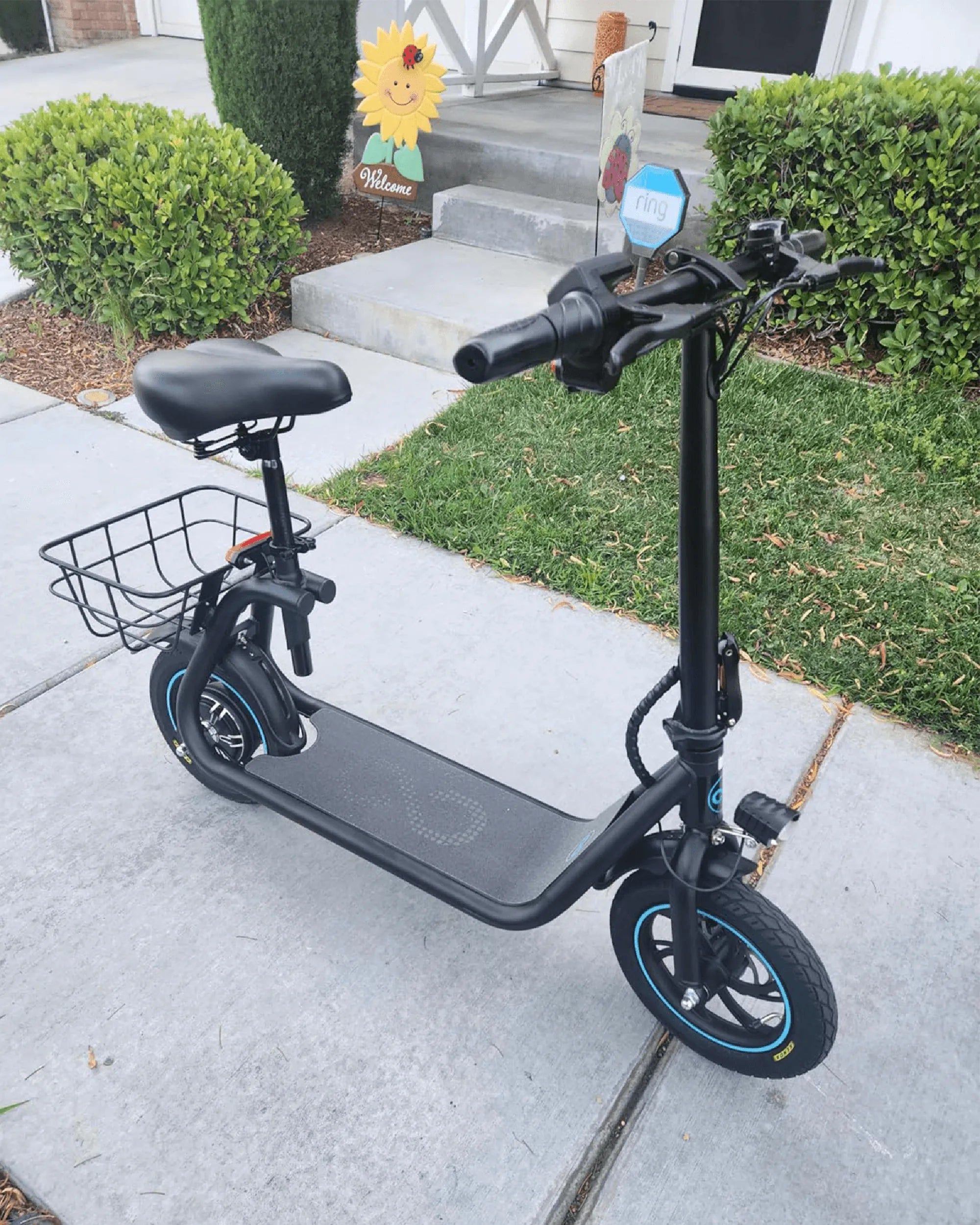
The India electric scooter market is undergoing a seismic shift, driven by a combination of environmental concerns, government incentives, and evolving consumer preferences. As cities grapple with pollution and rising fuel costs, electric scooters are emerging as a viable alternative for millions. But what exactly is fueling this growth, and where is the market headed? Let’s dive into the trends reshaping India’s electric scooter landscape.
Government Policies and Incentives
One of the biggest catalysts for the India electric scooter market trends is the proactive stance of the government. Initiatives like the Faster Adoption and Manufacturing of Electric Vehicles (FAME) scheme have provided subsidies and tax benefits, making electric scooters more affordable. State governments are also rolling out additional incentives, such as waived registration fees and road tax exemptions, to encourage adoption.
Rising Fuel Prices and Cost of Ownership
With fuel prices soaring, the cost of owning and operating a conventional scooter has become a burden for many. Electric scooters, on the other hand, offer significant savings in the long run. Lower maintenance costs, coupled with cheaper electricity compared to petrol, make them an attractive option for budget-conscious consumers.
Technological Advancements
Battery technology is evolving rapidly, addressing one of the biggest concerns of potential buyers: range anxiety. Modern electric scooters now boast longer ranges and faster charging times, making them practical for daily commutes. Additionally, smart features like GPS tracking, mobile app integration, and regenerative braking are enhancing the user experience.
Growing Environmental Awareness
As air quality deteriorates in urban centers, more Indians are becoming conscious of their carbon footprint. Electric scooters produce zero tailpipe emissions, making them a greener alternative to petrol-powered vehicles. This environmental benefit is resonating with younger, eco-conscious consumers who prioritize sustainability.
Infrastructure Development
The expansion of charging infrastructure is another critical factor driving the India electric scooter market trends. Public and private players are investing heavily in charging stations, battery-swapping networks, and home-charging solutions. This infrastructure growth is alleviating range anxiety and making electric scooters a more practical choice for urban dwellers.
Consumer Preferences and Demographics
The target audience for electric scooters is expanding beyond early adopters. Families, students, and working professionals are now considering electric scooters for their daily needs. The demand for stylish, feature-rich models is also on the rise, as consumers seek vehicles that align with their lifestyles.
Challenges and Roadblocks
Despite the positive trends, the India electric scooter market faces challenges. High upfront costs, limited charging infrastructure in rural areas, and concerns about battery disposal are some of the hurdles that need to be addressed. However, with continued innovation and policy support, these challenges are likely to be overcome in the coming years.
The Road Ahead
The future of the India electric scooter market looks promising, with projections indicating robust growth over the next decade. As technology improves, prices drop, and infrastructure expands, electric scooters are poised to become the preferred mode of urban transportation. The shift towards sustainable mobility is not just a trend—it’s a revolution that’s here to stay.
From government policies to cutting-edge technology, the India electric scooter market is riding a wave of transformation. Whether you’re a consumer, investor, or simply curious about the future of mobility, now is the time to pay attention. The electric scooter revolution is just getting started, and it’s set to redefine how India moves.
Riding Electric Scooter on Sidewalk: Safety, Legality, and Best Practices
Mens Electric Scooter With Seat: The Ultimate Urban Commuting Solution